
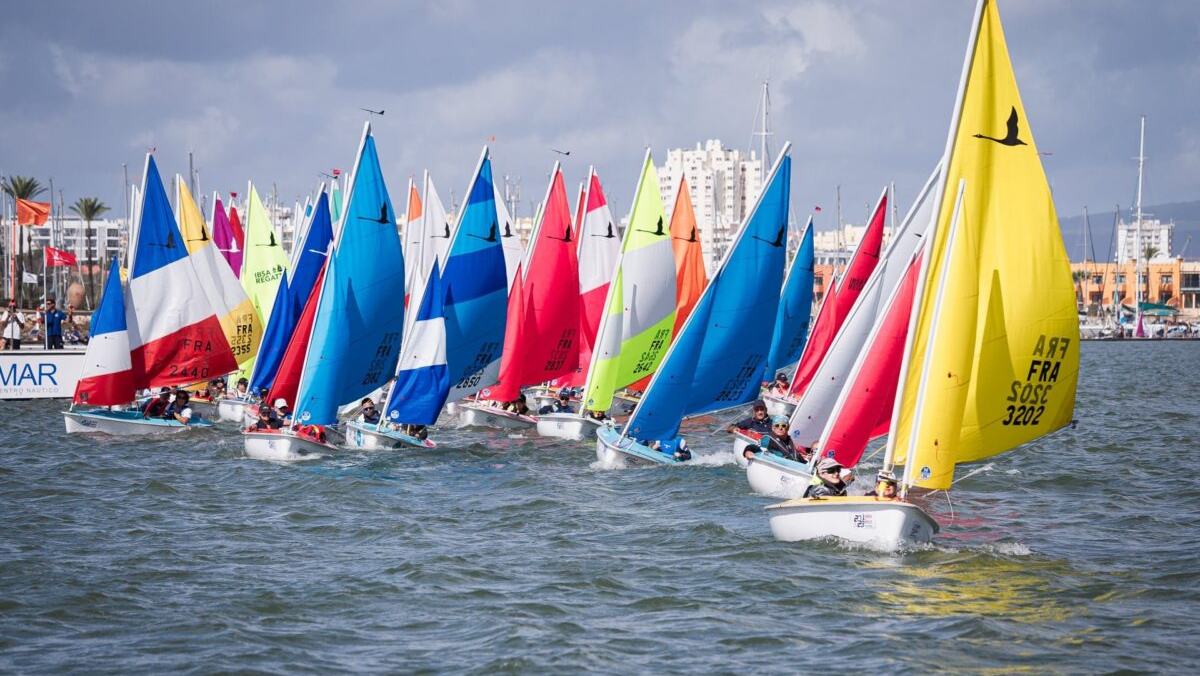
The 2026 World Sailing Inclusion Championships have attracted more than 200 athletes from over 40 nations across eight inclusive and para disciplines.
More than 200 athletes from over 40 nations have registered for the 2026 World Sailing Inclusion Championships in Portimão, Portugal, giving the second edition of the event a record expected fleet. Racing is scheduled for 4 to 10 October across eight disciplines covering sailors with a wide range of disabilities and classification backgrounds.
The entry is significant for leisure sailors because several of the classes use small boats that are also central to club-based inclusive sailing. The championship therefore sits at the competitive end of a pathway that can begin with the same type of accessible equipment used in local training programmes.
Hansa 303 is the largest fleet
World Sailing says the Para Inclusive One Person Keelboat World Championship in the Hansa 303 has 56 entries. The two-person RS Venture Connect category has 30 entries, potentially representing 60 sailors, while additional Hansa 303, 2.4mR and visually impaired events broaden the programme.
A Para WingFoil demonstration event has also attracted 10 entries. Its inclusion shows that accessibility work is extending beyond traditional keelboats into newer board and foiling disciplines as organisers test how emerging watersports can support para participation.
More nations are entering inclusive sailing
Several countries are expected to make their Inclusion Championships debut, helped by an Inclusive Development Programme that precedes the racing. World Sailing lists new participation from nations including Barbados, Jamaica, St Kitts and Nevis and Vietnam.
That development work matters because international competition only grows when sailors have local access to training, coaching and equipment. A larger championship fleet is therefore also an indicator that more national and regional programmes are beginning to create those pathways.
Competition can make access more visible
Inclusive sailing does not need a world championship to justify its value, but visible international competition can challenge assumptions about who can helm, race and make tactical decisions on the water. It also gives recreational sailors with disabilities a clearer picture of how far their participation could progress if they choose competition.
For LBG Lifestyle, the Portimão entry list is a reminder that small-boat sailing can be both accessible recreation and serious sport. The same broad objective applies at every level: make the equipment and environment work for the sailor rather than treating disability as a reason to stay ashore.
Source
World Sailing