
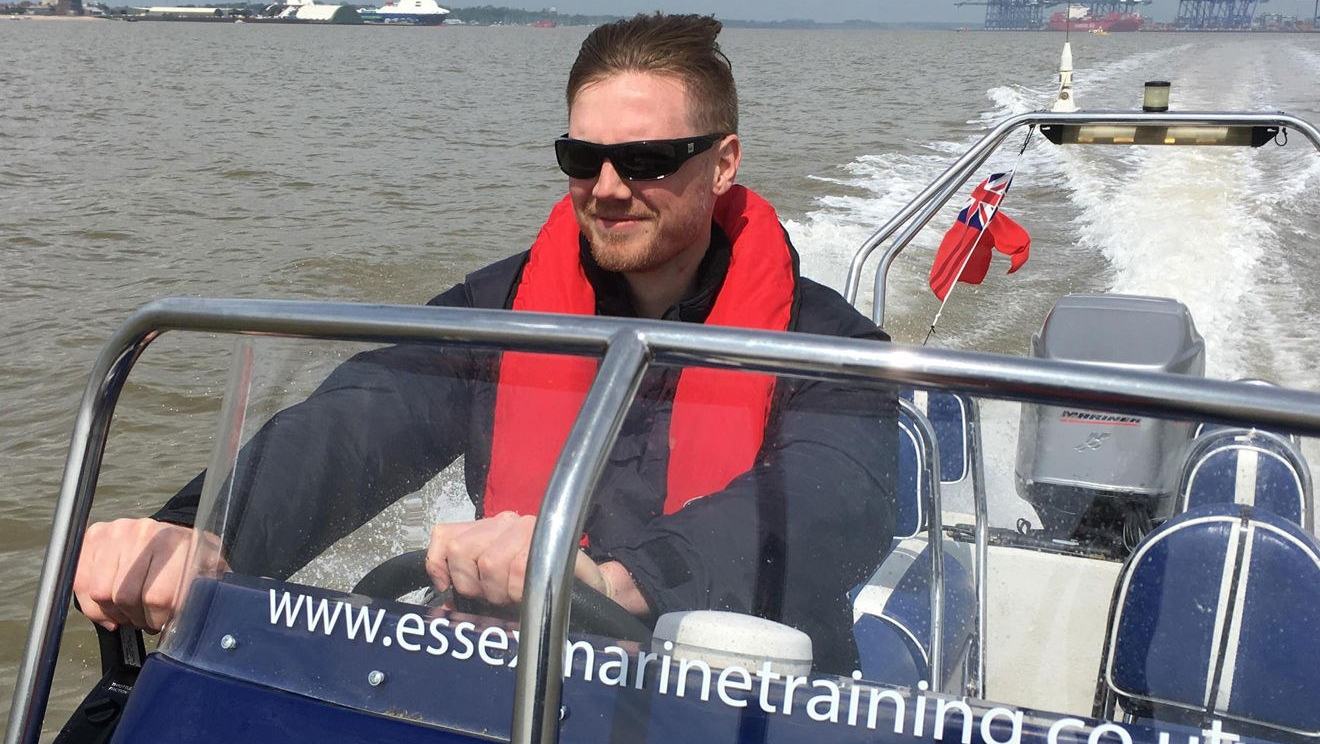
A carefully chosen winter powerboat trip can be a delight. The RYA's training advice offers a useful framework for planning shorter passages, managing cold and using quieter waters to build confidence.
A different kind of powerboat outing
Many boats disappear from their moorings as autumn ends, but an occasional calm winter day can transform the experience of local cruising. The Royal Yachting Association highlights quiet creeks, crisp air and a sense of space that is harder to find at the height of summer. Advanced Powerboat Instructor Liam Battersby describes these outings as opportunities to focus on boat handling and learn new skills. The attraction is genuine, although a beautiful photograph of empty water can conceal serious seasonal hazards.
The right starting point is a modest trip in suitable sheltered conditions, with enough daylight to return comfortably. Winter boating is not a test of toughness. It is a deliberate choice to enjoy the water when the forecast, the boat and the crew are all ready. For newer owners, the season can also provide quieter areas in which to practise, ideally with a qualified instructor who understands local tides, navigation marks and the vessel's handling characteristics.
Choose the route around the forecast
Colder months bring stronger fronts, lower daylight margins and the possibility of rapid deterioration. The RYA advises checking tide, weather and sea-state information thoroughly and leaving someone ashore with the intended plan. The skipper should identify sheltered alternatives and avoid depending on a single destination. In a tidal estuary, a small change in water level may expose banks or shorten the useful navigation window, especially when visiting a creek whose shape changes significantly between tides.
Establish clear turn-back criteria before casting off, such as deteriorating visibility, rising wind or a passenger becoming too cold. Include fuel for the return leg with a substantial reserve, remembering that weather and slow manoeuvring can change consumption. If a marina restaurant or fuel berth is part of the day, check that it actually operates in winter. A route that is convenient in July may be much less forgiving in November or January when services and neighbouring boat traffic are reduced.
Keep warm and above all dry
A powerboat travelling at speed produces considerable apparent wind, which makes wet clothing especially uncomfortable. The RYA recommends a layered approach: thermal base layers, insulation and suitable waterproof outerwear. Warm socks, gloves, headwear and appropriate footwear deserve as much attention as jackets. Passengers also need lifejackets suited to their size and clothing. For open boats, a spare set of dry layers kept in a protected compartment can be a valuable comfort and safety measure.
The skipper can make the ride more pleasant by adapting speed and heading to reduce spray and slamming. A short run made smoothly is better than pushing hard through chop merely to follow a schedule. Cold passengers may stop contributing to the lookout or lose dexterity when handling lines. Check regularly rather than assuming everyone is comfortable. A flask of warm drink at a sheltered stop is enjoyable, but it cannot compensate for inadequate clothing or a trip that should have been postponed.
Quieter waters help develop real technique
The RYA's winter powerboating feature explains how experienced instructors use changing conditions to develop pilotage, boat handling and passage planning. Empty moorings may make some manoeuvres easier while exposing features that are hidden in summer. A creek in winter can also offer an opportunity to observe tidal height, bank contours and how wind affects a light craft at low speed. These are useful lessons when they are approached systematically and within the crew's experience.
Practise one skill at a time. For example, approach a designated training area at a controlled speed, assess the wind direction and decide how to leave an escape route. Discuss what happened before repeating the exercise. Avoid practising near occupied berths or busy navigational channels. An instructor can add structure and stop unsafe habits from becoming established. Learning in winter is rewarding precisely because the day has a purpose beyond simply covering distance.
Navigation becomes less forgiving near dusk
Short days can catch out a crew that is accustomed to summer evenings. Even a minor delay to a passage can mean approaching the home marina after sunset. The RYA points to the value of recognising lit marks and studying charts before a night exercise. For ordinary leisure outings, a daylight return is often the sensible choice. If night navigation is planned, the boat needs compliant lights, an appropriate passage plan and a skipper competent to operate in darkness.
Check the operation of navigation lights before leaving and understand the characteristics of local buoys. Electronics can assist, but the helm also needs a lookout, reliable communications and a clear understanding of the regulations. Restricted visibility, rain and low cloud make the task more demanding still. A winter itinerary should preserve generous time margins: enjoy the afternoon light, but let the crew's competence and available daylight determine how far the boat goes.
The pleasure is in a safe return
After arriving home, the outing is not quite finished. Remove wet kit, check for water where it should not be, and attend to the manufacturer-recommended engine care for low temperatures and lay-up. Examine mooring lines and fenders, especially if strong winds are forecast overnight. If the boat remains afloat, shore power, batteries and frost-sensitive systems require a deliberate management plan rather than assumptions drawn from summer use.
A short note in the log can capture the conditions, route, lessons and equipment that worked well. Over time, the owner develops a realistic picture of which winter days are worth using. The best reward may be a calm view across an almost empty harbour and the satisfaction of returning with a warm, happy crew. Winter powerboating has a place in leisure boating, but only when care, training and honest judgment remain central.
Editorial source: Royal Yachting Association. This original leisure-boating feature is based on information from the named source; check current local navigation requirements and the equipment manufacturer before departure.
Source
Royal Yachting Association