
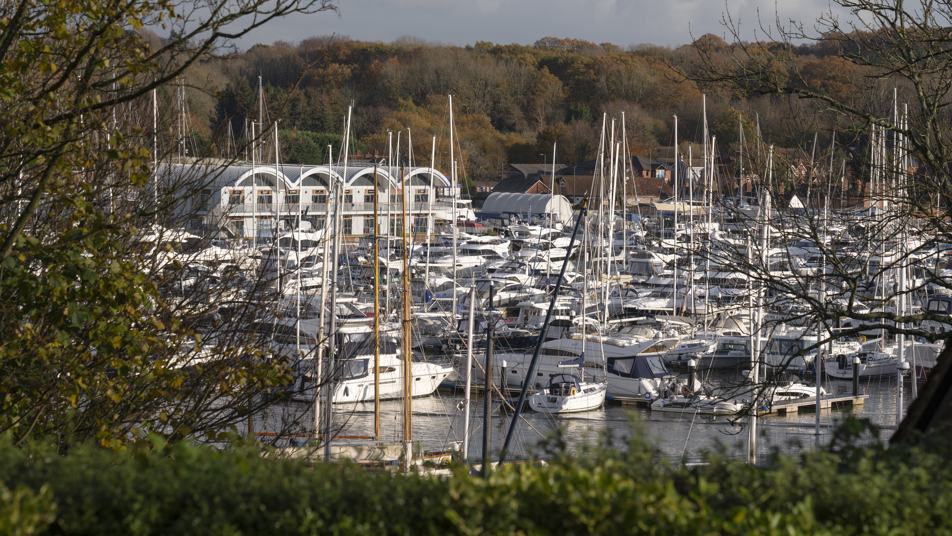
Premier Marinas’ 2026–27 winter packages offer a starting point for comparing berths, but owners should also weigh shelter, shore power, access, haul-outs and maintenance costs. This guide explains what to ask before committing.
A sheltered winter berth can make the difference between a boat that is easy to use on a crisp, calm day and one that spends months out of sight and out of mind. Premier Marinas is advertising both seasonal and flexible winter-berthing arrangements across its South Coast network for the 2026–27 season. Its published package information gives a useful starting point for owners deciding whether to remain afloat, move to a different harbour or arrange time ashore for maintenance.
The right decision is rarely made from a promotional monthly figure alone. Boat size, access to tidal waters, electricity, security, winter weather, planned servicing and the owner's travel time all affect the value of a berth. A package that looks attractive for an occasional weekend sailor may be inconvenient for somebody planning engine work or needing frequent short visits. The practical task is to compare what a particular marina can deliver for the boat you actually own.
What the 2026–27 packages include
Premier says its main winter package runs from 1 October 2026 to 31 March 2027, with walk-ashore berthing and access to water, power and marina facilities. The company also advertises flexible monthly arrangements beginning on 1 November, with a minimum stay of thirty days. Availability is marina-specific and the operator asks owners to obtain a personalised quotation based on their vessel's length overall. Those details matter because the same advertised offer may not work for every hull or every intended arrival date.
The seasonal package is also associated with time ashore, but the small print deserves particular attention. Premier states that twenty-eight days of storage ashore are included when three or more winter months are paid in advance, and that lifting and launching charges are not part of that allowance. Existing Premier customers may not be eligible for the promotional offer on the same terms as newcomers. An owner should request a written breakdown before treating the package as an all-inclusive winter maintenance solution.
Afloat or ashore: begin with the boat
Keeping a boat in the water can be appealing for owners who enjoy off-season sailing or short local cruises. It may also preserve convenient access for checking batteries, lines and onboard systems. Yet an afloat winter arrangement still requires regular attention to bilges, through-hulls, mooring security and the condition of external equipment. A pontoon does not remove the risks associated with freezing temperatures, storms or prolonged periods of heavy rain.
Storage ashore brings different advantages and limitations. Hull inspection, antifouling, propeller attention and some mechanical jobs are easier when the boat is lifted and safely supported. However, launching may require advance booking and extra charges, and certain liveaboard or shoreside-access arrangements may not be available. Owners should plan the maintenance work first, then check whether the chosen berth and haul-out period will accommodate it. The decision is about practical use, not an assumption that either location is automatically safer.
Shelter and access are different qualities
A marina may offer good protection inside its basin while lying close to challenging waters outside the entrance. Winter weather, swell and tidal streams all influence the times a small leisure boat can leave and return comfortably. For sailors hoping to take occasional winter trips, it is worth examining the approach, local tidal windows and shelter on the route to open water. A berth that feels ideal on a summer evening can be less convenient when the wind has settled into a different direction for several days.
The best preparation is to discuss the boat's dimensions and draft with the marina team, check current navigational information and consider how often you genuinely expect to get afloat. Owners moving to a new winter base should not assume that charted depths or entrance characteristics mirror those at their home harbour. Access may also be limited by operational works, lock arrangements or restrictions that are announced separately. It is sensible to confirm those matters before paying for a long-term stay.
Shore power and water in cold weather
Convenient shore power is a significant benefit of a walk-ashore berth, especially for battery maintenance, charging and modest onboard work. But the existence of a pedestal does not mean every electrical use is safe or included in a published rate. Owners should ask how consumption is billed, whether supply is metered and which cable and connection standards apply. Any onboard heater must be suitable for marine use, installed correctly and operated in accordance with the manufacturer's instructions.
Cold conditions also affect freshwater systems. Taps, hoses, tanks, pumps and water heaters can suffer if water freezes inside them, even when the saloon seems relatively comfortable. A winterisation plan should consider which equipment will be drained or protected and who will perform the work. Marina water supplies may have seasonal restrictions, so it is wise to ask about winter availability rather than rely on the conveniences noticed during a summer visit.
Plan your maintenance dates before choosing
Winter is a natural time to arrange engine servicing, safety-equipment checks and jobs that would interrupt boating during the warmer months. An attractive berth deal loses value if the preferred contractor cannot work onsite or a lifting slot is unavailable when needed. Ask the marina which services are available, what notice is required and whether outside contractors may be used under its rules. The boatyard, engineering and chandlery arrangements can matter as much as the berth itself.
The included twenty-eight days ashore in Premier's qualifying winter offer could be useful for a clearly scoped set of works, but it is not necessarily enough for a complicated refit. Weather delays, parts availability and survey findings can quickly consume a short maintenance window. If the project may run longer, seek rates for additional storage and the cost of a second lift or launch. Keeping the timetable realistic avoids an uncomfortable decision just as the spring season begins.
How to compare the real cost
A robust comparison starts with the fully equipped boat's length overall, including any fittings that count for berthing. The marina may apply minimum lengths or particular rules for unusual beams, alongside different charges for electricity, storage, lifting and specialist work. Ask whether car parking, security access, shower facilities and visitor-berth privileges are included or separately billed. A seemingly small weekly difference can grow when frequent travel or additional service charges are considered.
The operator's offer mentions berth-holder fuel arrangements and related benefits, but those should be checked for the selected location and contract. An owner with a petrol outboard may have different needs from somebody running a diesel sailing cruiser. Value also includes time saved by reliable access and the quality of technical help if a problem arises. A sensible decision balances the written price, useful facilities and the owner's actual plan for the boat over the next few months.
Storm preparation remains the owner's responsibility
A good marina team can keep an eye on the site, but owners still need a plan for strong winds, high water and prolonged absences. Mooring lines and fenders should be appropriate for the berth and inspected for wear, with chafe protection and suitable adjustment for changing conditions. Covers, sails and loose deck equipment should be secured so they cannot create damage in a squall. Specific arrangements will vary with the boat and marina, and professional advice is worthwhile if the layout is unfamiliar.
Before leaving the boat for several weeks, confirm emergency contact details with the marina and agree who can inspect or attend it if needed. Insurance conditions may require certain checks or winter procedures, so the policy deserves another reading before the coldest months. An owner who visits less often can still put a reliable inspection routine in place through an authorised local service provider. Preparedness is the practical companion to the convenience of keeping a boat afloat.
A winter berth should fit your winter ambitions
Premier's current offer illustrates two different types of flexibility: a defined six-month season and shorter monthly stays. Neither is automatically the better choice. An owner who wants to enjoy calm winter weekends may prioritise easy access and nearby sheltered cruising, while another planning extensive hull work may put lift capacity and workshop facilities first. Both should obtain current written terms, because promotional benefits and available spaces can change.
The most useful outcome is a boat that remains properly cared for and ready for the next season. Choose a location that matches likely cruising and maintenance plans, prepare the vessel for the conditions it will face and schedule regular checks. Winter berthing is more than finding somewhere to leave a boat; handled thoughtfully, it becomes part of a comfortable and responsible year-round ownership routine.