
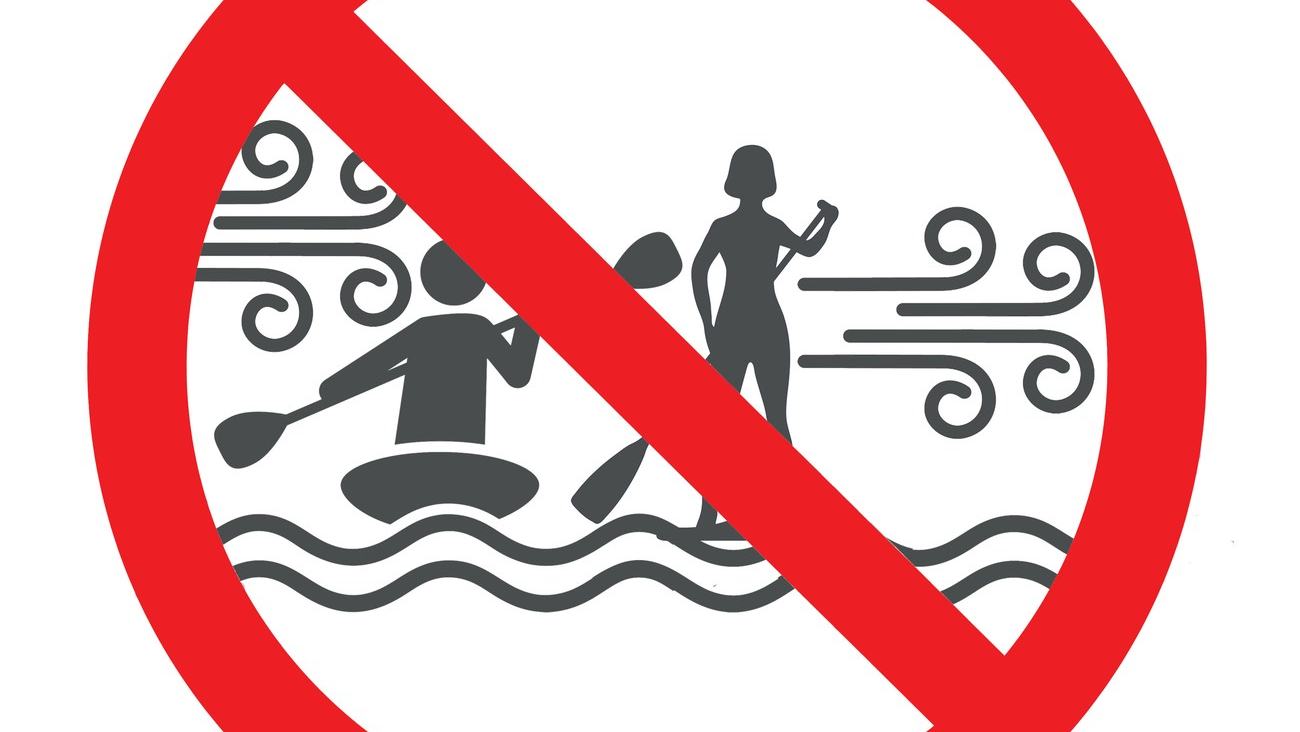
Whiskeytown National Recreation Area offers paddling in northern California, but changing winds, lake levels and restricted water near Carr Powerhouse require careful preparation.
An inviting lake with less obvious hazards
Whiskeytown Lake in northern California attracts paddlers who want mountain scenery without a lengthy journey into open coastal water. A sheltered-looking shoreline can make an afternoon in a kayak or on a paddleboard feel uncomplicated. The National Park Service nevertheless warns that local conditions and specific restricted areas deserve close attention before anyone launches.
The important distinction is between a beautiful setting and a predictable one. Winds may strengthen during the day, while water levels and shore access can change through the season. Skippers who recognise those possibilities early can choose a suitable route rather than discover a problem after getting too far from the launch.
Whitecaps should change the plan
The park's safety advice is particularly clear about kayaking and paddleboarding when whitecaps appear. Wind can quickly make a board or small paddlecraft difficult to control, especially for someone who has little experience of travelling into a headwind. Turning around may not immediately solve the problem if the return leg is more exposed.
A useful plan includes an early point at which the group agrees to come ashore or postpone the outing. Waiting on land for conditions to improve is not a failed holiday. It is often a far better choice than trying to cross open water because the original destination looked appealing in photographs.
Know where boating is restricted
Whiskeytown has established no-wake areas, including places near Brandy Creek Beach, Brandy Creek Marina and certain islands. These restrictions are intended to protect other users and limit disruption where people are swimming, landing or enjoying quieter water. Boaters must check the exact boundaries in the current park rules.
One especially serious hazard lies at the Judge Francis Carr Powerhouse. The National Park Service warns against entering the buoyed-off area because operation of the powerhouse can release large quantities of cold, fast-moving water and create dangerous currents. A warning buoy is there for a reason, even when no turbulence can be seen from a distance.
Choose a realistic launch and return point
A new paddler can begin by selecting a short route close to accessible shore rather than trying to cross the largest part of the lake. Check where launching is permitted, whether vehicle parking is available and how the route interacts with swimming and motorboat areas. A simple circuit provides room to become familiar with the craft.
Before departure, tell somebody ashore where the trip will take place and when the group expects to return. Carry an appropriate communication device, drinking water and sun protection. A plan is most useful when it can be followed by someone who is not in the boat and may need to seek help if the group becomes overdue.
Cold water is possible on a warm day
Sunshine does not guarantee that the lake is warm enough for a comfortable unplanned swim. Cold-water shock and loss of dexterity are particularly dangerous when someone falls from an unstable craft. Correctly fitted flotation should be worn in circumstances where a capsize or sudden immersion is possible.
Clothing should be chosen for the combined air and water conditions, not just the temperature beside the car park. A paddleboarder who expects to remain dry may need a different strategy from a person taking a short swim near shore. Everyone in the group should understand what to do if someone ends up in the water.
Lake levels can change access
Whiskeytown is a managed reservoir, and the park explains that its water level may vary by nearly twelve feet between spring and autumn. A beach that provides easy landing at one level can have exposed ground or different underwater hazards when the lake falls. Visitors should check current conditions rather than assume a familiar launch will remain unchanged.
Reduced water may also expose rocks and obstructions closer to shore. Paddlers should keep a careful lookout and avoid travelling blindly into shallow coves. If the route becomes awkward to navigate, there is no benefit in forcing the boat onward simply to match an old itinerary.
Share the water with other visitors
Families swimming from a beach, motorboat users and kayakers can all enjoy the lake when their behaviour is predictable. Operating at safe speeds near shore and avoiding wake in restricted areas makes a substantial difference to smaller craft. A paddler should likewise avoid lingering where boats must manoeuvre to launch or dock.
Group leaders can explain passing arrangements before setting off so no one is surprised when another vessel approaches. Keeping the craft within communication range is useful, but clustering several kayaks in a narrow channel can obstruct other users. Courtesy and an effective lookout apply to unpowered boats as much as motorboats.
Wildlife and shoreline etiquette
A slow paddle offers opportunities to notice birds and changing vegetation, but visitors should observe wildlife from a respectful distance. Landing should be limited to suitable places where the craft will not damage vegetation or disturb other users. Pack rubbish out rather than leaving it on a beach or expecting it to be carried away by the wind.
Anyone visiting several lakes should also think about aquatic invasive species. Plants and small organisms can travel on boats, paddles and trailers, including craft that never use a petrol engine. Cleaning and drying equipment between waterways is a sensible part of responsible recreation.
Making the outing enjoyable for beginners
A novice may enjoy a shorter paddle that allows time for photographs and a quiet rest more than a long route measured only by distance. Starting in settled conditions gives everybody an opportunity to practise turning, stopping and steering without the pressure of difficult weather. Instructors and experienced companions should watch for fatigue as well as obvious distress.
Before launching with children or inexperienced adults, agree where the group will go if somebody wants to return early. The plan can be adjusted without criticism. A relaxed outing should leave participants keen to paddle again rather than uncertain whether they can cope with the next trip.
What to check on the day
Confirm the latest park alerts, weather forecast, lake level, launch access and no-wake boundaries. Ask a ranger if there is uncertainty about a restricted area or the conditions expected later in the afternoon. Published guidance gives a starting point, but it cannot guarantee that the same route will be appropriate every day.
Whiskeytown rewards care rather than bravado. Its surroundings offer a memorable opportunity to explore by small craft, while its wind, management infrastructure and changing water make preparation essential. The best visit is one in which the crew enjoys the lake and returns with enough energy and confidence to plan another day.
Source
National Park Service