
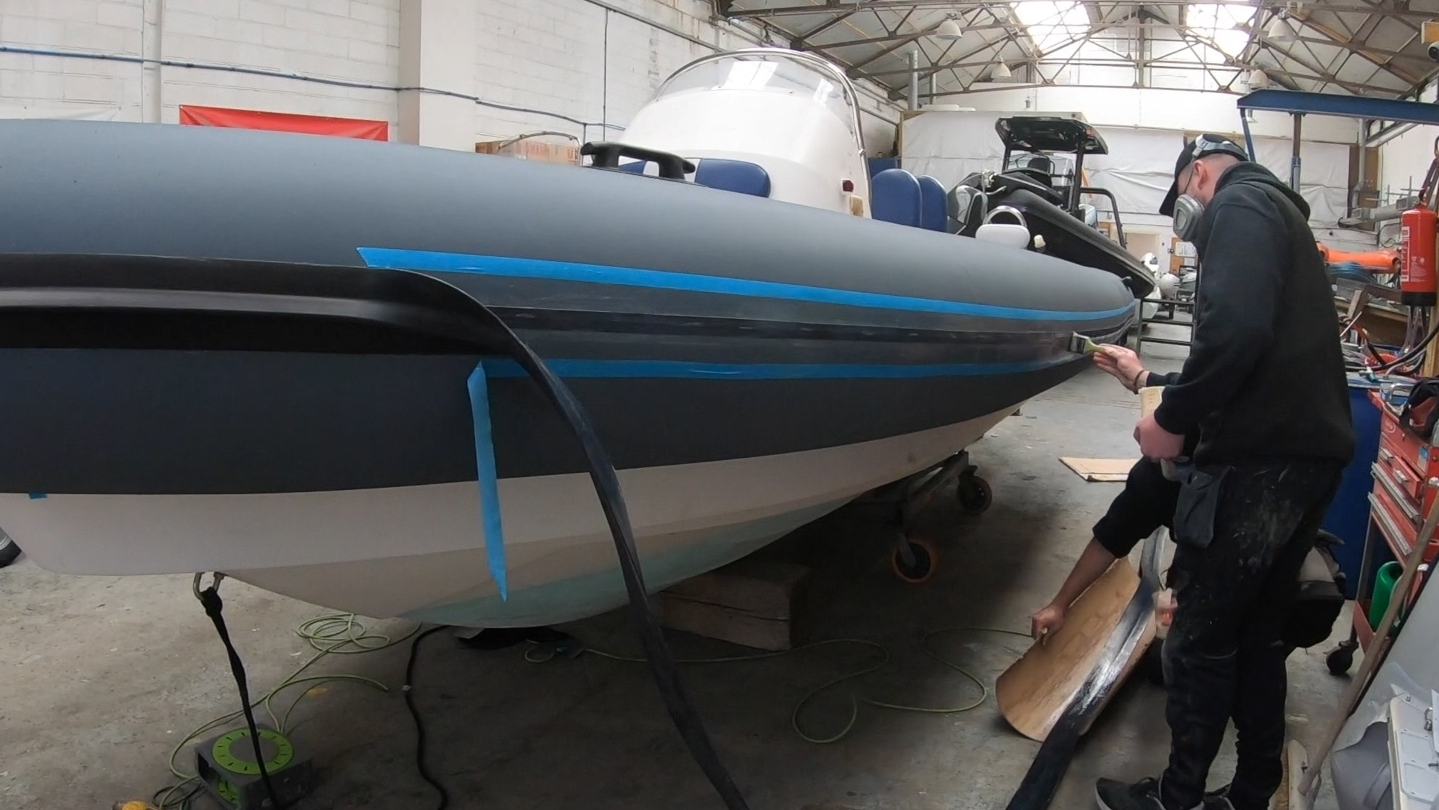
A workshop feature from RIB Shop at MDL Hamble Point Marina explains the stages of professional tube replacement. This owner-focused guide covers warning signs, repairs versus retubing, material choices, testing and refurbishment budgets.
A rigid inflatable boat can have a remarkably sound hull even when its buoyancy tubes are beginning to look tired. For owners, that creates an important decision: arrange a local repair, invest in an entirely new tube set, or replace the boat itself. A workshop feature published by MDL Marinas in June 2026 follows Stephanie French of RIB Shop Ltd at Hamble Point Marina through the broad stages of a professional retubing project. It provides a timely reminder that the condition of the inflatable collar is only one part of the boat's overall service life.
Tube replacement is not simply a cosmetic makeover. The inflatable sections contribute reserve buoyancy, impact protection and much of the RIB's characteristic appearance, so their construction and attachment deserve careful assessment. A tired-looking boat may become useful for many more seasons after appropriate work, but not every hull or collar is an economical candidate. The aim of a good inspection is to find that out before paying for a major refit.
Look for the pattern of deterioration
A small abrasion, a leaking valve and widespread fabric deterioration are very different problems. Owners may notice slow pressure loss, damaged seams, hardening or discolouration, chafe at rubbing points and patches that no longer inspire confidence. Some marks are mainly visual, while others call for prompt professional attention before the boat returns to use. Changes in temperature also alter the pressure inside a tube, so a single reading taken on a warm afternoon is not enough to diagnose every suspected leak.
An experienced repairer can examine the entire collar, its attachment to the hull and the working condition of valves, fittings and patches. The underlying rigid hull should be checked too: a damaged transom, deck structure or poorly supported hardware can make a major tube investment unwise. The workshop approach described by MDL begins with inspection before any existing tubes are removed. That sequence avoids committing to a new collar before the broader condition of the boat is understood.
When repair may be enough
An otherwise healthy tube with a localised puncture or a clearly identified fitting problem may be repairable. A specialist can decide whether the material remains strong enough for a lasting repair and whether the damaged area can be prepared and bonded correctly. Owners should be cautious about assuming that a visible patch tells the whole story; moisture, previous repair work and hard-to-reach seams can complicate diagnosis. Temporary attempts to stop a leak should never be presented as proof that the craft is ready for a demanding passage.
Multiple recurring leaks, extensive adhesive failure or material approaching the end of its useful life can change the calculation. Paying for several isolated repairs may achieve less than one properly specified replacement, particularly when the boat is used frequently. The professional should explain what can be repaired, what remains uncertain and how the proposal affects the boat's intended use. A written assessment is more useful than a simple promise that the collar can be made to hold air for the day.
Material, shape and attachment must suit the hull
RIB tubes are made from different coated fabrics, commonly including PVC and CSM-based materials, often referred to by the long-established Hypalon trade name. They differ in cost, handling characteristics and the requirements for joining or maintaining them. The right replacement must also fit the hull's geometry, chamber arrangement and attachment method. Choosing solely by colour or the lowest quote can introduce compromises that are difficult to correct once the new tubes have been built.
A specialist will need accurate dimensions and an understanding of the original design, including the bow profile, tube diameter, rubbing strips, grab handles and any access cut-outs. Heavy-duty collars and leisure-focused finishes can look different for legitimate reasons. The owner should discuss exposure to sunlight, expected storage, trailer use and the boat's typical sea conditions. None of those factors justifies assuming that a replacement tube will automatically change the hull's certified capacity or performance rating.
Removing a collar is the start of a larger job
The MDL video describes a sequence that includes initial inspection, removing the old tubes, preparing the hull for the replacement, fitting the new assembly and completing final checks. The intermediate stages matter because an attachment surface or hidden fitting cannot be inspected adequately while concealed beneath the existing collar. Removal may reveal older repair work or corrosion-prone fittings that need attention before a new assembly is installed. Discovering such issues early is preferable to covering them up.
This is a job where workshop conditions, material compatibility and trained technicians matter. Adhesive and solvent systems can present chemical, fire and ventilation hazards, while bonding procedures vary by fabric and tube design. Owners should avoid treating a short video overview as a complete do-it-yourself manual. The most useful role for a customer is to understand the process well enough to ask what will be inspected, documented and tested, and who will take responsibility for the finished attachment.
The finishing details determine everyday usefulness
A new set of tubes gives an owner an opportunity to revisit hardware that was awkward or worn out. Grab handles, lifelines, rubbing protection, bow fittings and boarding arrangements should be chosen around the way passengers actually move aboard. Fishing gear, watersports use and frequent alongside mooring can place wear in different areas. A tidy finish should therefore include both appearance and practical protection for the locations most likely to encounter contact or chafe.
Valve access is another detail worth checking in person. Each chamber should be simple to inflate, monitor and maintain without moving bulky equipment or damaging upholstery. The owner should be shown the recommended pressure range and any temperature-related precautions for the new material and specific installation. Specifications and maintenance instructions should come from the fabricator or manufacturer, not from assumptions based on the owner's previous collar.
Ask for testing and documentation at handover
A professional retube should end with more than a photograph of the boat looking new. The workshop should explain how it checks inflation retention, chamber integrity, fittings and the attachment system, and what the owner should monitor during the early period of use. Any changes to accessories or boarding hardware deserve a final safety review. The details of suitable tests depend on the boat and replacement design, so they should be agreed with the specialist before work starts.
Keep the invoice, material specification, warranty information, maintenance guidance and any record of structural or fitting work. This helps with future service and gives a potential buyer an understandable history rather than an unexplained new collar on an older hull. It is also worth confirming insurance implications and whether the builder or surveyor should review any significant alteration. Retubing can extend a boat's useful life, but it does not reset the age of its engine, electrical installation or rigid structure.
Compare the complete refurbishment budget
A retube quote should identify what is included in inspection, removal, surface preparation, manufacture, fitting, finishing and testing. Ask about transport to the workshop, launching arrangements, storage, hardware that will be reused and the treatment of unexpected findings. A cheaper headline figure may exclude work that another provider includes as standard. Time matters as well: specialist fabric work and fitting slots can be busy ahead of the warmer season.
The owner should then consider the rest of the boat. If the engine requires major repairs, the trailer is corroded and the deck has hidden damage, new tubes alone may not represent sound value. Conversely, a well-maintained RIB with a serviceable powertrain and a robust hull may be an excellent candidate. The decision is strongest when based on a professional condition report and a realistic comparison with the cost of a suitable replacement craft.
A second life should begin with a careful sea trial
Stephanie French's workshop explanation for MDL Marinas illustrates the skill involved in transforming an ageing RIB without suggesting that every boat needs new tubes. The stages are deliberate: understand the existing condition, remove what must be replaced, prepare accurately, install the right collar and check the finished work. That is a valuable framework for owners planning an autumn or winter refurbishment, even if they use a different specialist or are based far from the Solent.
Once the work has been signed off, the boat still needs the ordinary attention owed to any craft returning to service. Review safety equipment, check the engine and controls, and carry out a measured trial within suitable conditions before inviting a full passenger load. The satisfaction of fresh tubes is real, but the lasting reward is a RIB that is dependable, comfortable and appropriately maintained. A successful refurbishment renews confidence in the whole boat, not just its appearance at the pontoon.