
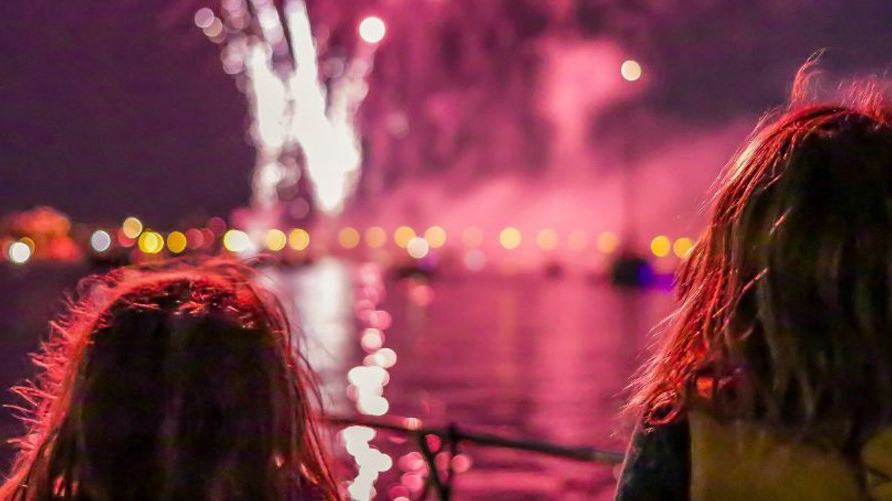
Yamaha Blue Life looks at the appeal and practical challenges of watching a major fireworks display from the water.
The idea
A boat can provide an excellent view of waterfront fireworks without the crowds ashore. The challenge is that many other skippers have exactly the same idea.
The anchorage should be reached early enough to choose a safe position before darkness. Anchoring too close to traffic channels creates problems when the event finishes.
Planning it well
Navigation lights need to work correctly and the skipper should be comfortable operating after dark. Familiar water can look surprisingly different once shoreline references disappear.
Passengers should know where lifejackets, torches and handholds are before the display starts. Moving around a dark cockpit is harder than it seems.
Small details that matter
The biggest risk often comes after the last firework when many boats leave together. Waiting a little longer can be safer and far less stressful than joining the first rush.
Noise and flashes may upset pets or very young children. Crew comfort should be considered before committing to a long night afloat.
Why it works for LBG
For LBG readers, fireworks boating can become a family tradition with surprisingly little expense. Planning the traffic and darkness is what keeps it enjoyable.
The best memory should be the display, not a difficult return to the ramp. A patient departure is usually worth the extra half-hour.
Source
Yamaha Blue Life