
Tow sports may look similar from the shore, but wakesurfing, waterskiing and wakeboarding ask very different things from the boat, rider and crew.
Wakesurfing, waterskiing and wakeboarding all use a powered boat, but the experience and equipment are very different. Before buying boards, ropes or ballast systems, owners should first understand what their boat is designed to do and which activities are permitted on their local water.
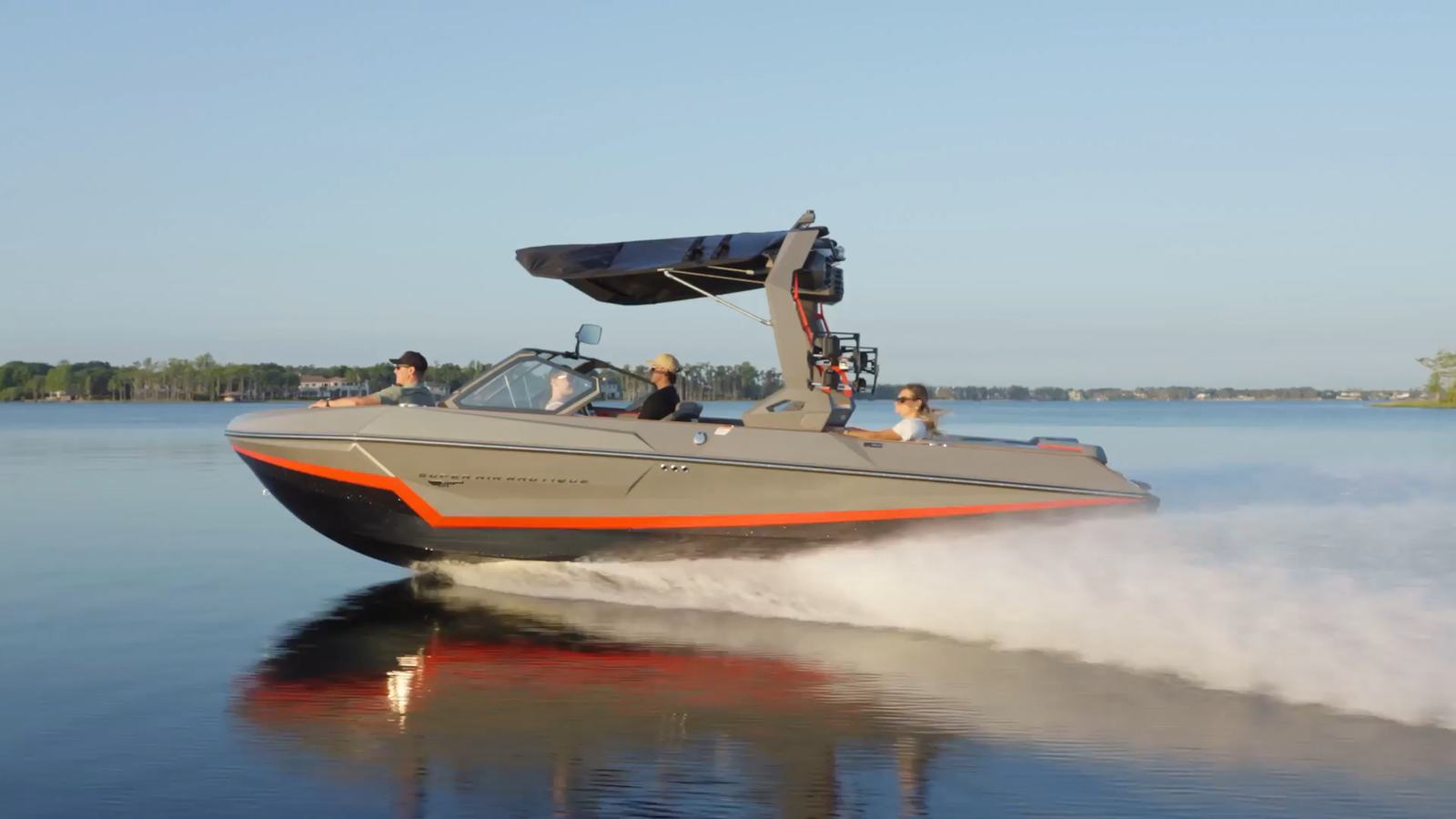
A dedicated towboat can produce controlled wakes and carry large ballast loads, while many family runabouts are better suited to lighter-duty skiing or recreational wakeboarding. Trying to force a boat into a role it was not designed for can compromise handling, visibility and safety.
Waterskiing rewards a cleaner wake
Traditional skiing generally benefits from a smaller, flatter wake and higher tow speeds than wakesurfing. Slalom skiers in particular value consistent tracking and minimal wake disturbance when crossing behind the boat.
For casual family skiing, a suitable powered leisure boat may be enough without specialist ballast equipment. The towing point, propeller arrangement, engine power and ability to maintain a steady speed all need to match the activity.
Wakeboarding uses wake shape and speed
Wakeboard riders use the wake as a ramp, so a larger and well-defined wake becomes part of the sport. Tow speeds are normally lower than waterskiing, and dedicated boats use hull design, ballast and adjustable running surfaces to tune the shape.
The crew needs to understand how ballast changes displacement and handling before filling tanks or bags. More wake is not automatically better when the boat is overloaded, visibility is reduced or the operator is unfamiliar with the heavier setup.
Wakesurfing needs the right propulsion layout
Wakesurfing takes place close behind the boat at relatively low speed, making propulsion configuration particularly important. It should only be attempted behind boats designed and approved for the activity, with the propeller safely separated from the rider.
Whatever the sport, a competent observer, properly fitted flotation equipment and clear communication between rider and driver are essential. Local rules for towing, distance from shore, operating hours and required crew should always be checked before the rope goes in the water.