
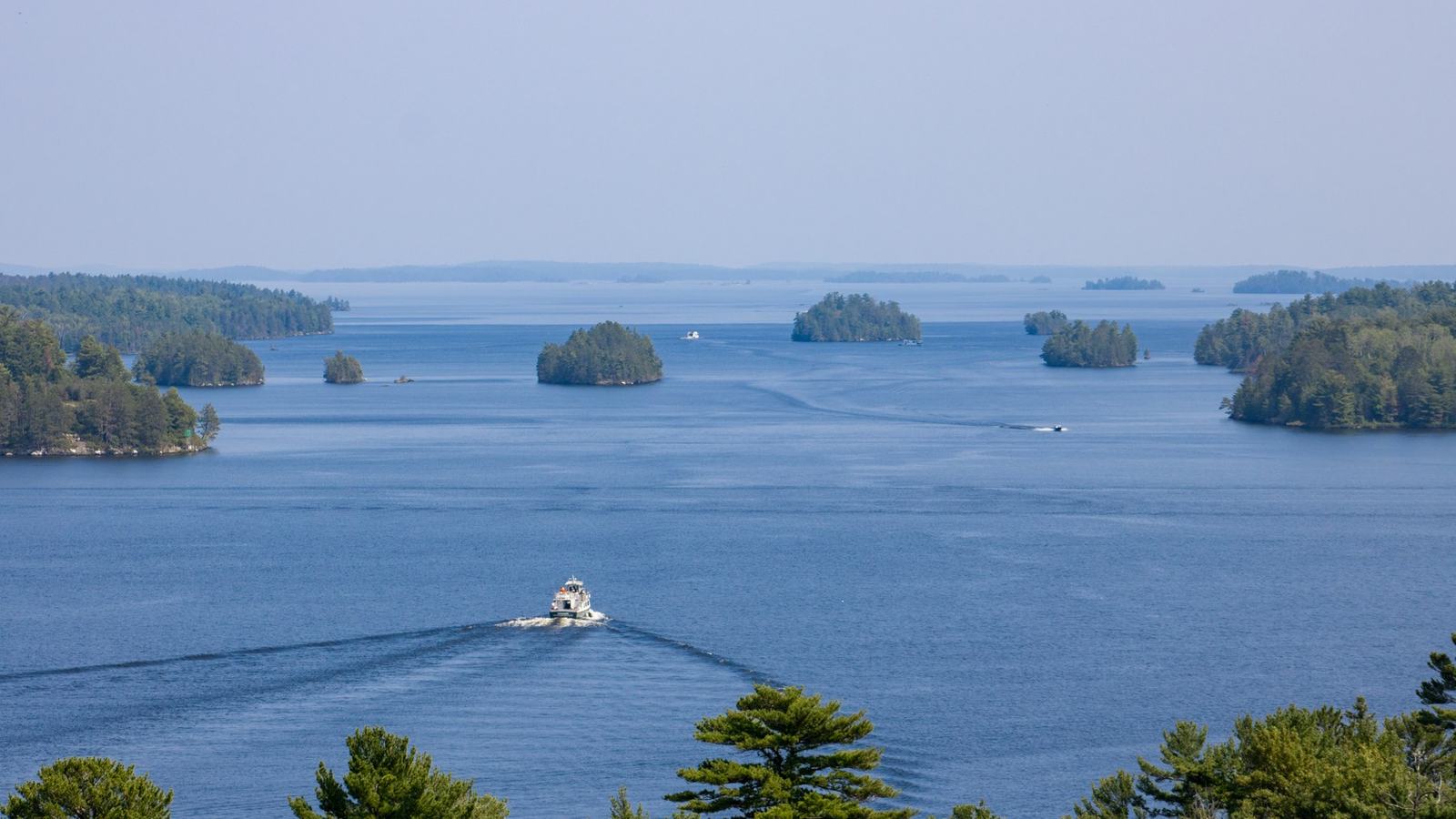
In northern Minnesota, Voyageurs National Park is a landscape understood most clearly from the water. A seasonal ranger-led boat tour makes its island-studded lakes accessible to people who do not have their own vessel, while offering stories of wildlife, settlement and the region's waterborne history. Advance reservations and weather flexibility are central to planning the outing.
A park where boats make the landscape legible
Voyageurs National Park in northern Minnesota is shaped by large lakes, intricate shorelines and islands that cannot be appreciated fully from a road. Water routes have long connected people and places in this region. A ranger-led excursion gives visitors a way to experience that geography without needing to hire and navigate a private boat.
Rainy Lake is one of the major stages for the park's seasonal sightseeing programme. Travelling through broad water interrupted by wooded islands offers a different pace from a roadside national-park visit. The banks come into view gradually, and the skipper's route reveals how large the lake really is.
The National Park Service provides guided boat opportunities from visitor-centre areas including Rainy Lake and Kabetogama. Programmes are scheduled mainly during the warmer summer and early autumn period, with offerings changing by season. This is a trip to plan around actual published departures, not an attraction to assume operates daily throughout the year.
Part of the appeal is the chance to hear interpretation while travelling. Rangers and boat crews help connect the landscape with its human history, from travel by canoe to more recent settlement. That knowledge gives individual shorelines and island names a meaning that can be difficult to discover by passing through alone.
Choosing the experience rather than simply the duration
The park lists trips of varying lengths, from relatively short lake experiences to much longer excursions. Visitors should decide whether their party wants a compact introductory boat ride or a substantial day that also involves going ashore. A longer tour is not automatically better for younger children or people who tire of extended sitting.
Different itineraries can include notable destinations such as Little America Island, Ellsworth Rock Gardens or the area around Kettle Falls. Availability depends on the particular tour offered that season, and not every boat visits every location. Check the itinerary details before choosing a ticket.
The landscape is rich in wildlife opportunities, with loons and bald eagles among the birds visitors may encounter. Yet sightings cannot be promised, even on a trip led by someone who knows the water well. Watching the islands, treelines and changing light is worthwhile whether animals appear or not.
For people accustomed to small pleasure craft, a ranger boat adds the pleasure of learning without watching a chart or choosing a safe route. The captain handles navigation while passengers observe and listen. It is a useful introduction before considering a more independent canoe or motorboat journey on a later visit.
Reservations, seasonality and weather
The National Park Service directs visitors to Recreation.gov for reservations, and advance booking is strongly encouraged. Popular trips have limited capacity and can sell out. Published dates are normally released ahead of the summer season, so travellers should make the tour a firm part of their holiday plan rather than waiting for a spare afternoon.
The park notes that weather, operating restrictions and minimum passenger numbers can cause alterations or cancellation, occasionally close to departure. Check current information with the relevant visitor centre, particularly if the tour is the main reason for a long drive. A flexible day in the itinerary reduces disappointment.
Passengers are generally expected to check in at their departure visitor centre before boarding. Leave enough time to find parking, collect the right information and use facilities on shore. A ticket with a departure time does not mean arriving at the car park at that exact moment is sufficient.
Summer warmth can be deceptive on an open lake, where a moving boat may feel noticeably cooler than the shoreline. Bring a suitable jacket alongside sun protection and insect repellent. Comfortable shoes also matter on tours that include a landing, where the path may be uneven or partly natural.
Accessible ways of seeing the islands
One advantage of an organised boat tour is that it can make waterways accessible to travellers who could not independently pilot a craft. The park provides accessibility information for vessels and some destinations, but individual walking routes can vary. Anyone who uses a mobility aid should enquire about the specific itinerary before booking.
Children often enjoy the simple sequence of departure, island views and a short stop, provided the programme suits their attention span. Set expectations about staying seated during movement and listening to crew instructions. A small bag of practical essentials is preferable to bringing bulky equipment on board.
Water is useful to carry, while food policies differ from a private family boat. The National Park Service provides guidance about what may be consumed on its tour vessels, so read the current boarding instructions carefully. Keeping the boat clean helps everyone enjoy the lake and supports the park's conservation aims.
Photographers should prepare for reflections from windows and quick changes in direction as the boat follows its planned route. A wide view may be more rewarding than pursuing a single distant animal with a long lens. Keep equipment secured so sudden movement does not send it across the deck.
A first chapter in a water-based national park
Voyageurs is distinctive because water is not an optional scenic extra; it is fundamental to how the national park is explored. The waterways link quiet coves, historic traces and broad views that would otherwise remain out of reach for many visitors. An interpreted boat trip makes that relationship immediately understandable.
Travellers planning a return visit can use the excursion to recognise how much navigation and local knowledge matter. Island channels, changing weather and distance across open lake are all clearer after spending time afloat. The experience encourages respect for the park without requiring everyone to become a boat owner.
The best approach is to choose one tour whose length and landing arrangements genuinely suit the whole party. Build time into the day for the visitor centre and for an unhurried departure, and remember that seasonal programmes do not run on demand. A well-planned shorter experience can be more memorable than an overambitious itinerary.
Checking the official park programme and Recreation.gov before departure is the final essential step. Tour names, schedules and restrictions may change from one season to the next. With those details settled, Rainy Lake provides a beautiful, quietly educational boating experience at the heart of a very water-oriented landscape.