
A practical guide to Voyageurs National Park by small cabin cruiser or sailboat, covering seasonal overnight permits, shore camping and responsible lake cruising.
Voyageurs National Park in northern Minnesota offers a boating holiday in which the water is more than a scenic backdrop: lakes and islands are the principal routes through the landscape. Visitors can explore from a small cabin cruiser, a suitable sailboat or other appropriate craft, while some travellers choose a larger houseboat for an extended stay. The National Park Service has specific permit arrangements for vessels used overnight, and those rules are especially relevant to owners who believe they can simply anchor wherever they wish. A permit is required for overnight stays by houseboats, sailboats and cabin cruisers during the designated season, and the separate tent-camping system operates differently. A successful small-boat holiday begins by deciding whether to sleep aboard or camp ashore, then arranging the correct permissions and a route suited to the vessel, weather and crew.
The park is understood from its lakes
Voyageurs is unusual among national parks because water travel is central to seeing much of its landscape. The lakes connect islands, wooded points and shorelines that can be difficult to appreciate from a road. A modest motorboat can provide independence for a family, allowing a trip to unfold at a comfortable pace while leaving time for wildlife watching or a shore visit where permitted. That independence brings responsibilities. Large water areas may develop significant wind and waves, rocks can present navigational hazards and landing restrictions vary. A lake holiday should begin with current charts, an appropriate weather forecast and knowledge of the chosen launch and recovery arrangements, rather than a plan based only on a photograph of an empty shoreline.
Defining an overnight cruising vessel
The NPS describes a houseboat for its permit purposes as a registered vessel containing sleeping facilities, food preparation and storage arrangements, and a no-discharge toilet. That definition illustrates why a vessel with a berth does not automatically qualify for every overnight location. Sailboats and cabin cruisers are expressly included in the park's overnight permit rules, so owners should not assume that the absence of a dedicated rental houseboat exempts them. Small-boat travellers must consider the sanitation requirements of spending a night afloat, particularly where untreated discharge would harm the park's waters. A day boat used for sightseeing is a different proposition from a craft equipped and legally suitable for overnight accommodation.
The permit season and its calendar
The National Park Service specifies an overnight houseboat permit season running from 1 May through 31 October. The official 2026 listing gives a fee of fifteen US dollars per night during that period, with reservation availability opening on 15 November of the previous year at 9 am Central Standard Time. These details should be checked for the intended travel year rather than treated as a standing guarantee of price or availability. In November, the published houseboat season has already ended, so a reader should not confuse an article about future holiday planning with confirmation that overnight boating is presently permitted under the summer arrangement. The right approach is to plan for the relevant season and confirm current park rules before making a booking.
Reservations do not come from the dock
The NPS directs overnight boat users to Recreation.gov to obtain the required permit. That is a formal booking process, not a facility at which a skipper can assume permission will be issued upon arrival. Travellers should confirm what dates and permit categories are applicable and carry the approved permit aboard according to park instructions. The permit requirements must be distinguished from boat-rental agreements. A commercial rental company may assist with planning, but its contract is not automatically the same as a national park overnight authorisation. Anyone bringing a privately owned cabin cruiser should review the correct process independently. A properly permitted boat provides the basis for a relaxed stay without uncertainty over whether the chosen overnight arrangements are legal.
A separate system for tent campsites
Visitors who plan to travel by motorboat during the day and sleep in a tent ashore need to understand that the park's campsite reservations operate separately. The NPS requires reservations and nightly amenity fees for all tent campsites. During the main season, reservations open the previous 15 November, and the park publishes a different system for non-peak camping. An overnight cabin-cruiser permit should not be interpreted as permission to occupy a reserved tent campsite. Equally, a camping reservation does not guarantee the right to keep a powered vessel at any dock without considering local rules. Choosing the accommodation style first avoids booking the wrong category and discovering the difference after reaching an island.
Houseboat mooring is not unlimited
The NPS's detailed houseboating guidance and Recreation.gov rules explain that boats used for overnight accommodation cannot occupy designated tent campsites, day-use areas or park docks simply because the skipper prefers that location. Instead, specific overnight mooring arrangements must be followed. A small cruiser owner needs to study those requirements before leaving the launch, identify permitted areas and plan alternatives if conditions change. Anchoring or securing a boat in a protected landscape is not purely a matter of whether the water appears deep enough. A location may be unsuitable due to environmental protection, conflicting users or park restrictions. A legal overnight stop and a safe anchorage are both necessary.
Choosing a vessel within the crew's ability
A compact cabin cruiser can provide sleeping space and protection from rain while allowing a crew to explore at relatively low speed. But a boat's layout, engine reliability, fuel capacity, sanitation and navigation equipment must suit the actual lakes and expected conditions. A small sailboat may offer a quieter experience while creating additional challenges in a narrow passage or when the wind changes. A rented houseboat may provide more room, but not every person familiar with a small runabout will be able to handle a much larger vessel without instruction. The right boat is the one a skipper can operate confidently, particularly when returning to a launch or managing a problem away from the nearest service facility.
A relaxed day need not involve sleeping aboard
A visitor who prefers a simpler outing can enjoy the park by day, choosing an appropriate motorboat journey and returning to shore without needing an overnight accommodation permit. The National Park Service offers ranger-led boat tours, with reservations and fees of their own, for people who would rather experience the water without operating a private vessel. That can be a useful alternative for a family whose members have different interests or levels of boating experience. The same landscape can be appreciated from several kinds of craft, and the correct choice depends on comfort, costs and available time. An overnight cruise is appealing but should not become an obligation simply because the park is famous for water-based travel.
The importance of route selection
Large lakes are not uniform. A route that remains close to sheltered bays may be more suitable for a modest craft than one that crosses broad open water. The skipper should identify the correct navigation markers, known hazards and safe landing places before departure. Official maps and park notices need to be considered alongside weather. A route should also allow enough time for refuelling and returning, rather than assuming that services will be available in every remote cove. An overnight trip magnifies these requirements because the weather on the return day may differ from that during departure. Flexibility is one of the most useful things a crew can bring.
Shorelines and wildlife belong to a protected park
Voyageurs offers opportunities to observe forests, birds and aquatic life from the water, but a small boat can still create disturbance. Avoid approaching wildlife closely, use authorised landing places and never leave rubbish on an island. Boat wash can affect shorelines and people in smaller craft, making considerate speed important even in a sparsely populated setting. Fuel and wastewater must be handled appropriately, with particular attention to the no-discharge sanitation requirements associated with overnight vessels. The privilege of travelling through a protected landscape depends on avoiding the kinds of impacts that would make the place less valuable for future visitors.
Carrying what an overnight stay actually requires
A cabin cruiser holiday can be enjoyable because food, bedding and shelter travel with the group. The same convenience can encourage overpacking. Equipment should be stowed securely, heavy items positioned according to the vessel's design and essential safety gear kept accessible. A properly fitted flotation device for each person, suitable signalling equipment, weather protection and working communications are basic elements. The crew should know how to respond after an engine failure or unexpected immersion, and someone ashore should have the travel plan. A boat with cooking and sleeping space also needs appropriate ventilation and attention to carbon monoxide. Comfortable accommodation cannot compensate for an unsafe operating routine.
Planning around seasonal services
The park remains open throughout the year, but visitor centre hours, boat services and overnight permit arrangements are seasonal. A November planning article should not imply that a summer rental fleet or campsite is currently operating. The NPS provides updated visitor information, including the permits required for the relevant dates. Travellers should confirm launch access, the availability of commercial providers and any changes in lake conditions before committing to travel. If an overnight permit cannot be obtained, it may be sensible to arrange a shorter permitted boating experience or use shore accommodation rather than improvising a stay in a prohibited area.
Genuine photography and official evidence
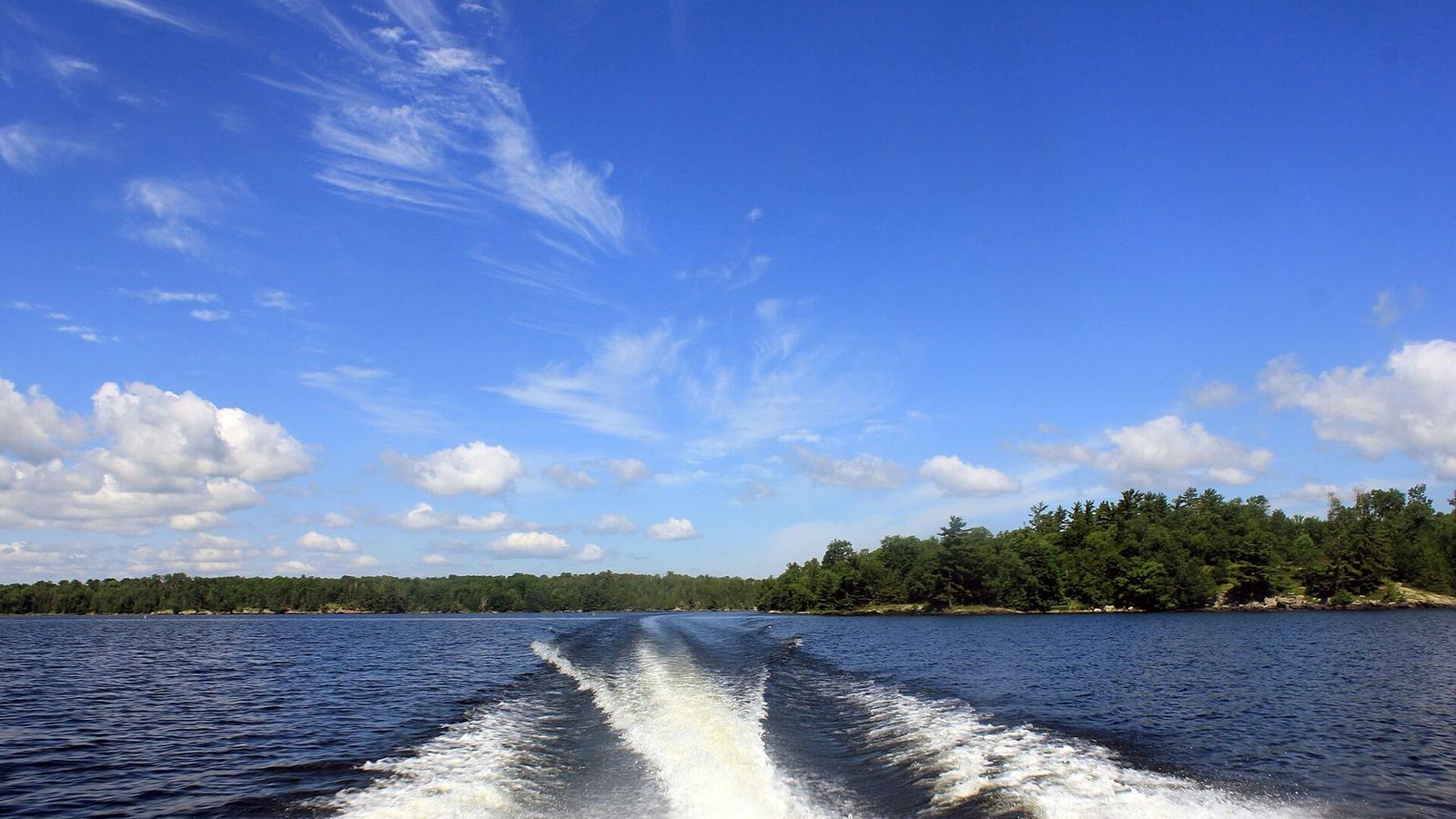
The lead photograph is an authentic landscape view from Voyageurs National Park, credited to Yinan Chen and made available as a public-domain image on Wikimedia Commons. It illustrates the actual park's lake scenery rather than a fabricated cabin-cruiser journey or a particular bookable houseboat. The original file and dedication are recorded in the article. The factual details about overnight permits, seasonal dates, vessel definitions and separate tent-camping reservations come from the National Park Service's official permits and reservations guidance, updated in September 2026. The publication does not claim to have confirmed a reservation or current rental availability for a specific traveller.
A water-focused holiday with clear limits
Voyageurs can provide the memorable experience of sleeping close to a forested lake while travelling by a small vessel, but the quality of the trip depends on following the park's rules. Overnight permits, proper sanitation, authorised mooring and carefully chosen routes are not optional details to resolve after launch. They are the foundation of responsible travel in a protected environment. For people with appropriate skills and a suitable cabin cruiser or sailing craft, the park offers a style of holiday centred on the water rather than roads and conventional hotels. The best version of that experience is one planned well enough that the days can unfold quietly and safely.
Sources and photograph attribution
Official destination and boating guidance: National Park Service — Voyageurs Permits and Reservations. Current access, rules, weather and reservations must be checked independently before travel.
Photograph: Yinan Chen — “Gfp-minnesota-voyaguers-national-park-lake-behind-boat.jpg” (Public Domain), via Wikimedia Commons. Resized and converted to JPEG for editorial display. Source: https://commons.wikimedia.org/wiki/File:Gfp-minnesota-voyaguers-national-park-lake-behind-boat.jpg. Licence: https://web.archive.org/web/20230926203737/https://creativecommons.org/licenses/publicdomain/. Original rights remain with the credited creator or as specified by the source and licence.
