
Voyageurs National Park is often explored by motorboat on its broad northern Minnesota lakes. Its backcountry offers a quieter version of the experience: small interior lakes, forest paths and sheltered canoeing that feels a world away from busy launches. Reaching them involves more planni
A canoe trip beyond the main lakes
Voyageurs National Park is often explored by motorboat on its broad northern Minnesota lakes. Its backcountry offers a quieter version of the experience: small interior lakes, forest paths and sheltered canoeing that feels a world away from busy launches. Reaching them involves more planning than simply putting a canoe on the water.
The National Park Service describes fourteen backcountry campsites on the Kabetogama Peninsula. The inland lakes do not have ordinary road access. Visitors generally travel first by boat on a larger lake to a trailhead, then walk into the backcountry and use the canoes provided for the interior waters.
The unusual rules protect fragile lakes
One rule is particularly important: privately owned watercraft may not be carried into the backcountry lakes. That means a visitor cannot simply transport their own kayak or inflatable craft over the trail after arriving. The park operates a backcountry canoe reservation system and requires visitors to use the available boats.
The restriction helps protect remote lakes against aquatic invasive species. Fishing gear that has touched the main lakes also needs special handling before it is used on interior waters. The park specifies separate gear or a prescribed cleaning and drying procedure; this is not an optional courtesy.
Choose transport before choosing the campsite
The park lists four principal water-access areas, including Rainy Lake, Kabetogama Lake, Ash River and Crane Lake. A visitor without a suitable motorboat must arrange a water taxi or rental for the first leg. Local availability can be limited early and late in the season, so transport should be settled before buying supplies or finalising an overnight itinerary.
Trail distance matters as well. Some campsites require more walking, and carrying overnight equipment can turn even a short route into a demanding day. Select a campsite and starting point that fit the group's experience, confirm the applicable permits, and understand how the same route will be completed on the way home.
The reward is a quieter horizon
Interior lakes have a different character from the big water that introduces most visitors to Voyageurs. Wind moves across a smaller expanse, shoreline wildlife can be observed without the sound of an engine, and a campsite may offer the chance to hear the forest after dark.
The appeal is the combination of travel by water and a modest wilderness journey, not the pursuit of distance. With sensible reservations, reliable transport and respect for invasive-species restrictions, the park's backcountry canoe experience can offer a memorable introduction to slower exploration.
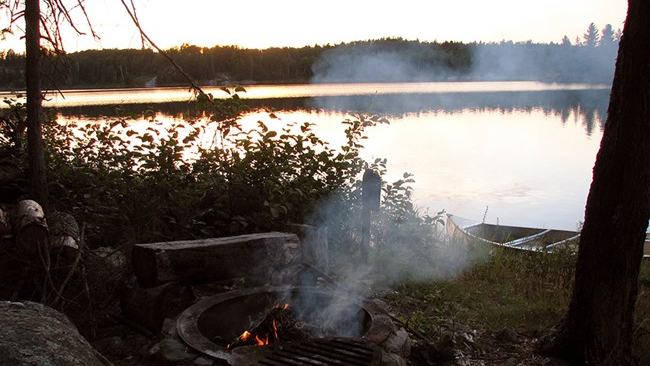
Primary source: US National Park Service — Voyageurs Backcountry Camping and Canoes. Photograph: National Park Service — canoe beside the water at Peary Lake. Check current access and safety notices with the park before travelling.