
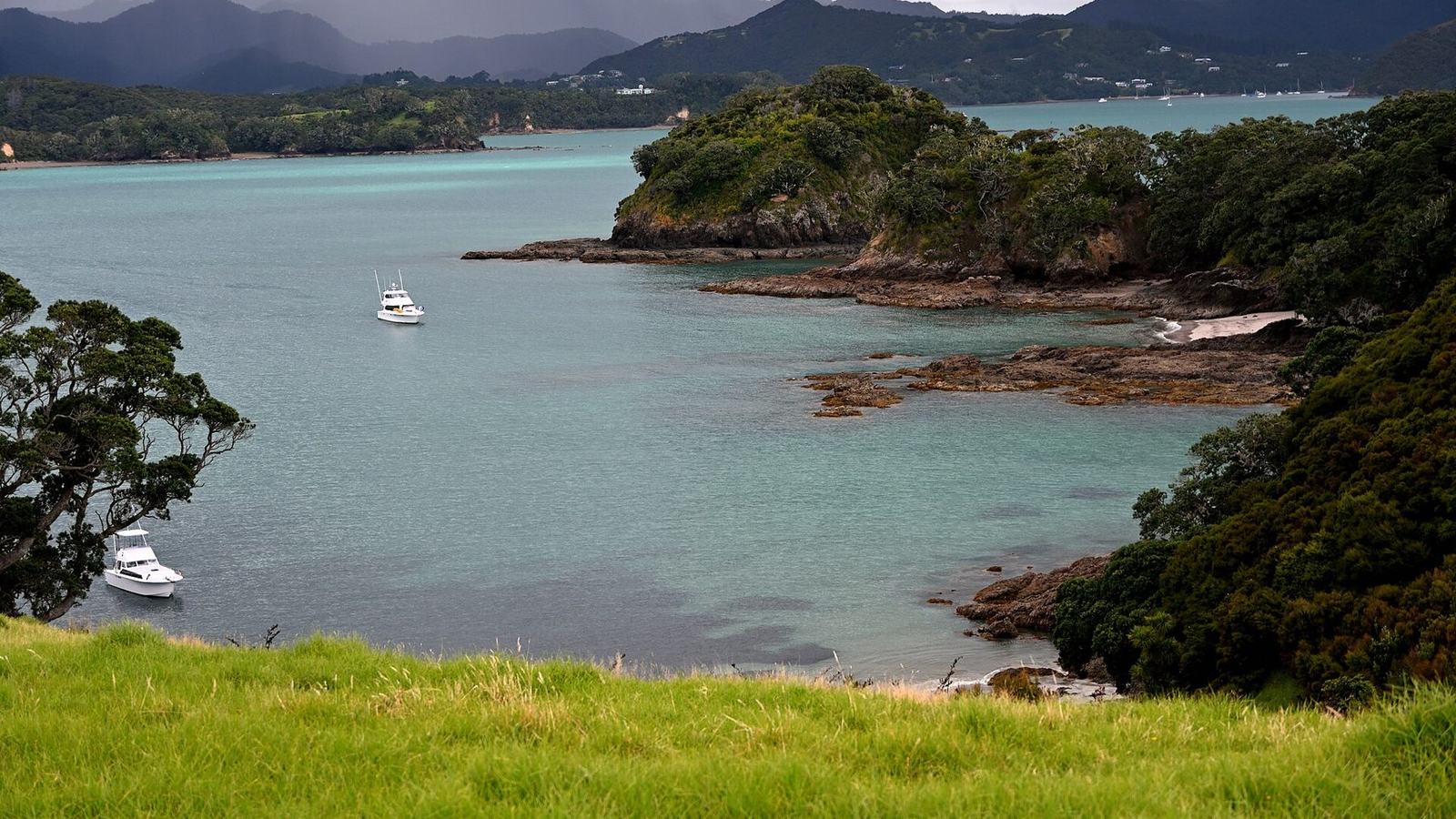
A small-boat visit to Urupukapuka in New Zealand's Bay of Islands, with landing plans, island walks and essential marine mammal sanctuary and pest-free guidance.
An island day worth taking slowly
Urupukapuka Island offers a compelling reason to make a small-boat outing more than a circuit of the water. In New Zealand's Bay of Islands, the island combines beaches, sheltered-looking bays, walking tracks, significant cultural history and active conservation work. The Department of Conservation describes private-boat access from several points in the eastern Bay of Islands, as well as water taxis and seasonal passenger services. That flexibility makes the island attractive to owners of compact trailer boats and family runabouts, but it should not be confused with an all-weather promise. The Bay of Islands is connected to the open sea, and wind, swell and local conditions can make a short crossing unsuitable for a particular boat and crew. The secret of a rewarding visit is to choose an accessible landing, allow sufficient time ashore and keep the return passage comfortably within the day's conditions.
Understanding the destination
Urupukapuka is part of Ipipiri, the island landscape of the Bay of Islands. The Department of Conservation describes varied topography, from more level ground behind bays to higher slopes and coastal cliffs. Walking allows visitors to appreciate perspectives that cannot be seen from the cockpit. The area also carries Māori history and significance, which should be approached with respect rather than treated as decorative background to a holiday photo. Before a visit, read the official recreation-reserve material and check for current track or facility notices. Not every beach or island in the wider bay has the same management conditions. Urupukapuka is a specific reserve with its own access guidance, conservation responsibilities and facilities, rather than a generic anchorage where any activity is automatically permitted.
Where a small boat might start
The Department of Conservation lists private-boat access options including Waitangi, Te Uenga Bay, Kaimarama Bay, Opito Bay and Doves Bay. Its published indicative times vary by departure point and reflect the differing distances and routes across the region. These are planning references, not promises of travel time in a particular boat. A capable crew should select a ramp by road access, parking, launch conditions and the day's forecast, rather than assuming the shortest crossing must be best. Check ramp access and any local fees before arriving. If the crew has limited open-water experience, hiring a water taxi may provide a more appropriate first introduction to the island. A day trip should fit the conditions and the crew, not the other way around.
The marine mammal sanctuary matters
The journey to Urupukapuka passes through Te Pēwhairangi/Bay of Islands Marine Mammal Sanctuary, an area with restrictions intended to protect marine mammals. The Department of Conservation explicitly directs private boaters to review those restrictions before travelling. A skipper should therefore consult the sanctuary map and current official guidance rather than copy an old social-media description of dolphin encounters. Wildlife may be nearby, but the presence of a dolphin or other animal does not give visitors permission to approach, pursue or obstruct it. Keep a proper lookout, maintain control of the boat and follow the sanctuary's operative rules. Responsible boating may mean changing course or simply watching from an appropriate distance. The opportunity to see nature is a privilege, not a guarantee included in the day's itinerary.
Arriving without damaging the shoreline
Boat access requires as much care at the destination as during the passage. Research the intended landing beforehand and confirm whether it is suitable for the draft, propulsion and handling characteristics of the vessel. A beach that appears easy from a distance can have rock, changing depth, swell or other people using the shore. If anchoring is appropriate, check holding conditions and swing room; do not use a sensitive area simply because it is convenient. The Department of Conservation's information explains the island's facilities and tracks, but it is not a live pilotage chart. Use current maritime navigation information and local advice to decide how to approach. For a family outing, the safest plan is one with a second landing option and a willingness to return without going ashore.
Walks and views after the engine stops
The attraction of Urupukapuka becomes clear once the boat is secure and the crew can stretch their legs. DOC's walking information describes island tracks and connections between bays, creating options for visitors who want a short outing rather than a demanding trek. Carry water, sun protection and suitable footwear; the change from a shaded cockpit to an exposed path can be significant. Do not assume every person in the party has the same walking ability or wants to spend the afternoon climbing. An enjoyable family day might involve a short scenic track, time at a permitted beach and a leisurely lunch. Allow enough margin to return to the vessel while everyone is still comfortable and before the forecast afternoon conditions develop.
Birdlife and conservation work
Urupukapuka is not simply a scenic picnic island. The Department of Conservation describes restoration work and the return of native birds through Project Island Song, including species such as North Island robin and saddleback. The reserve also provides habitat for other wildlife and sensitive coastal vegetation. These gains depend on protecting the island from introduced pests and careless visitor behaviour. Boat owners have a particular responsibility because equipment, bags, food containers and craft can accidentally carry unwanted organisms. Check the official pest-free requirements before leaving the mainland and again before landing. Keep belongings contained, do not release animals or plants and follow all signs on the island. The quieter the visit, the more rewarding bird observation tends to be, particularly away from crowded landing points.
Camping is different from a day picnic
DOC lists managed campsites on Urupukapuka, including Urupukapuka Bay, Sunset Bay and Cable Bay. Its information says that camping is confined to official sites, requires booking and has restrictions including no dogs or fires. Do not treat a small-boat arrival as a way around campsite rules. An overnight stay also introduces a separate set of decisions about anchoring, weather, security and the ability to leave in deteriorating conditions. For a first visit, a day trip is often the more flexible choice. If camping is the goal, book the correct site, verify landing arrangements and ensure the boat's overnight plan is appropriate for local conditions. The journey and island stay should be planned together, with a conservative alternative if weather changes.
The practical side of a family outing
A compact dayboat becomes a pleasant island transport only when people and equipment are organised. Stow food and bags so they do not block access or interfere with steering. Keep spare warm layers dry, carry drinking water and check that every passenger has a properly sized lifejacket. A child may need assistance stepping from the boat to a landing area, and nobody should jump ashore while the hull is moving. Decide in advance who will remain at the helm and who will handle lines. A long beach stop is not a reason to leave unsecured gear where it can wash away or attract wildlife. Leave with the same litter and provisions you brought. The ideal trip feels relaxed because the practical details were settled before departure.
The limits of picturesque photographs
Promotional images often show turquoise water and empty beaches, but a photograph records only a moment. It does not describe a present wind direction, the height of the tide, the suitability of an anchorage or the current access rules. In the Bay of Islands, conditions can differ across a relatively short distance. A skipper should check a relevant marine forecast, nautical chart and local notices shortly before departure. Weather and boat handling ability set the real route limits. If a crossing feels demanding, there is no need to prove anything by persisting; the Bay of Islands offers shore-based alternatives and organised transport. The day should be remembered for the place, not for an avoidable difficult return passage.
A route plan with a generous margin
For a first visit, choose one launch point, one intended island landing and one realistic period ashore. Work out fuel use in both directions and include an allowance for detours or unexpected conditions. Tell a trusted person the plan and expected return, and make sure the means of communication is suitable for the waters. At the island, avoid piling the itinerary with several bays or long walks if the weather window is modest. The attraction is the combination of a gentle crossing, a stretch of coast, perhaps a short track and time to observe the surroundings. A second visit can explore another part of the island. Small-boat freedom is most valuable when there is no pressure to complete an unnecessarily ambitious circuit.
Respecting the place you came to enjoy
Urupukapuka rewards curiosity tempered by care. The Department of Conservation's official pages provide the best foundation for understanding access, tracks, campsites, restoration work and the sanctuary crossed on the journey. Check them again immediately before departure because conservation restrictions and facilities can change. Use current maritime information for the water and comply with notices at the landing site. A small boat gives visitors intimate access to a remarkable landscape; it also makes them responsible for not carrying pests, disturbing wildlife or leaving waste behind. With those responsibilities treated as part of the holiday rather than obstacles, a simple day on Urupukapuka can be as memorable as a much longer cruise.
Sources and picture credit
Official information: Department of Conservation's Urupukapuka reserve guide, campsite and boat access information and Bay of Islands Marine Mammal Sanctuary. Photograph: Urupukapuka Island by Tom Hilton, CC BY 2.0, resized without cropping.
