
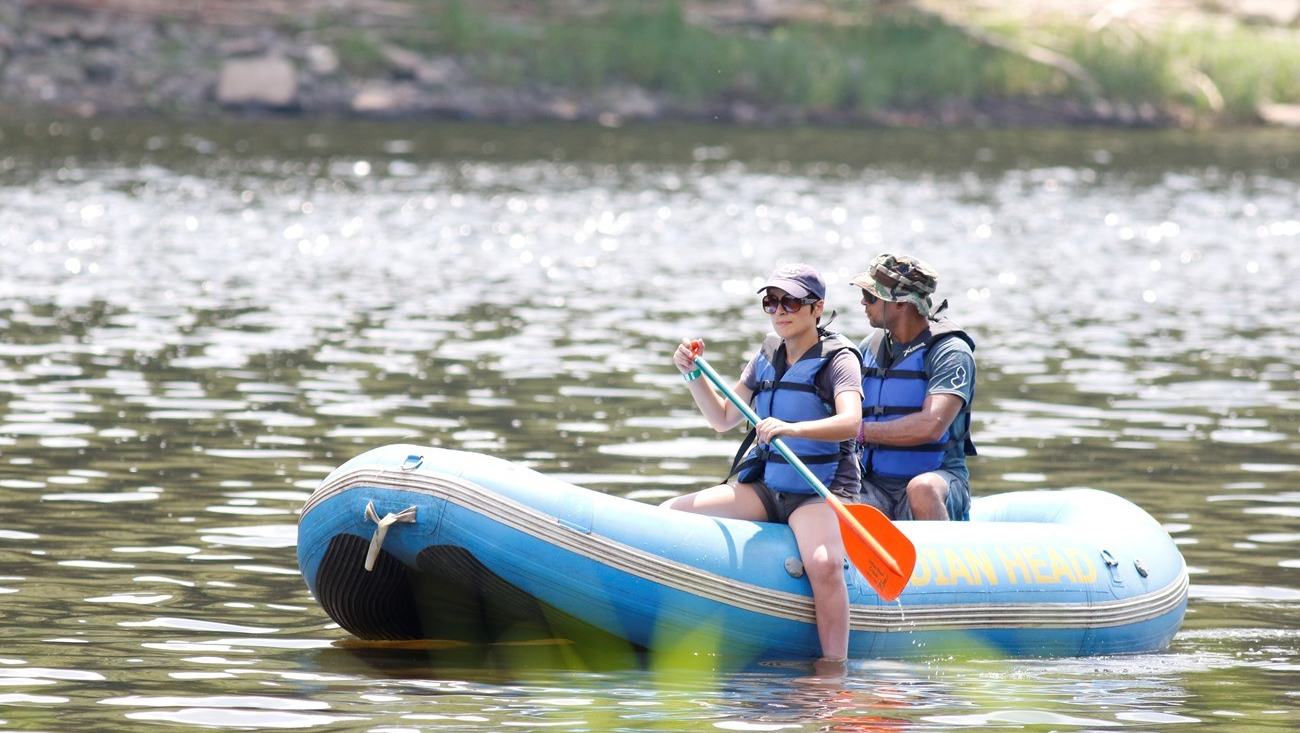
The Upper Delaware offers free-flowing scenery, placid pools and lively riffles, but water temperature and limited transport services deserve attention.
A river flowing between two states
The Upper Delaware Scenic and Recreational River winds through highland scenery between Hancock in New York and an area north of Matamoras in Pennsylvania. The National Park Service describes this section as the longest free-flowing river in the northeastern United States, with pools, riffles and modest rapids offering a broad range of paddling experiences. For visitors, its natural rhythm is particularly attractive when autumn colours begin to appear along the wooded banks.
A canoe, kayak or suitable raft can provide a close view of the river corridor, but no single boat is the right choice for every section. Flow, obstacles and the crew's ability should determine which reach is appropriate. A route containing calm pools may still include difficult currents or shallow areas that require more attention than a beginner anticipates.
The season extends into October
The Park Service identifies the main boating season as running roughly from mid-April through October, making the river a potential choice for an autumn outing. It is also a reminder that the end of the season may arrive with colder air and water. An attractive sunny afternoon does not necessarily provide a safe immersion temperature for a lightly dressed paddler.
Planning for autumn calls for suitable clothing, a conservative trip length and an awareness of remaining daylight. The route should finish with plenty of time to manage the take-out before darkness. A visitor should always check real weather and flow conditions rather than assume that the official season means every date is equally suitable.
Cold water beneath a calm surface
The National Park Service warns that the Upper Delaware may remain cold enough to produce hypothermia even during summer. The river can look shallow and gentle while concealing deeper holes, steep drop-offs and currents beneath the surface. A person who unexpectedly leaves a small craft can therefore face hazards not apparent from the shoreline.
Appropriate flotation equipment and clothing suitable for immersion are essential, as is understanding how to respond to a capsize. A paddler should not try to stand in strong current where a foot could become trapped. Learning basic river safety through a capable local instructor can be a valuable first step before arranging an independent journey.
Access points need deliberate selection
The Park Service identifies specific authorised launch and recovery locations, including state-managed access points around Hancock, Lordville, Cochecton, Skinner's Falls and other communities along the route. Visitors cannot simply put in or take out wherever the bank seems easy to reach. Public access, parking restrictions and local facilities should be established before the day of the trip.
A river outing is inherently affected by current, which usually makes returning to the original launch impractical. There are no general public shuttle, rideshare or transit services along the Upper Delaware corridor, according to the NPS. Unless using a private arrangement, travellers should speak to a commercial livery or other authorised service about getting themselves and the craft back from the take-out.
The river provides different moods
Riffles and shorter rapid sections can make a journey engaging, while quieter pools allow the crew to observe wildlife and the varied tree cover along the bank. A day of paddling need not be an athletic challenge to feel rewarding. Choosing an easier reach can leave time for photographs and a relaxed stop at an authorised landing.
For those less familiar with moving water, a guide or reputable local outfitter may explain how river levels affect the chosen route. Rental companies can also advise which sections are appropriate for a particular boat. A canoe loaded with picnic supplies handles differently from an empty kayak, and those differences should be considered alongside the forecast.
Different rules for motors and personal watercraft
Recreational paddling does not generally carry a park entrance fee, but the NPS notes that motorised boating and fishing require the appropriate licences. New York and Pennsylvania have their own boating certificate rules, which must be checked according to the activity and location. Personal watercraft are prohibited on the Upper Delaware, and specific speed restrictions apply around launches, shorelines and other vessels.
These rules matter because the river attracts different kinds of users. A person arriving with a small motorboat should not assume the lack of an entrance fee means unrestricted operation. Respecting wake limits and swimmers helps preserve the shared environment, while responsible paddlers also need to be aware of other traffic.
A float plan is particularly important
The National Park Service advises paddlers to tell somebody ashore where they intend to travel and when they expect to return. Mobile coverage is limited in parts of the protected corridor, so a phone call may not be possible at every point. A written plan should identify the crew, launch and take-out rather than merely state that the group is on the Delaware River.
A reliable map, suitable dry bag and method of communication belong with the craft. Passengers should understand where critical equipment is stored, and the skipper should plan a realistic response to unexpected high water or a delayed arrival. These simple steps may be more valuable than adding further recreational accessories.
Autumn scenery without hurried mileage
The official NPS photograph shows real paddlers on the Upper Delaware, grounding the destination in an actual boating scene rather than a fabricated illustration. In the autumn season, the river's banks can provide an especially appealing contrast between water and changing foliage. The experience is best enjoyed by moving at a safe pace and accepting that conditions set the boundaries.
A visitor should consult the park's current boating guidance, identify legal access locations and make return arrangements before setting off. If cold water, wind or flow makes the intended route unsuitable, postponing is sensible. The Upper Delaware's lasting attraction lies in the ability to experience a large protected river from a modest small craft.