
The Upper Delaware rewards a carefully timed autumn paddle, but river levels, public access rules and seasonal life-jacket requirements make advance planning essential.
A free-flowing river at the end of the season
The Upper Delaware Scenic and Recreational River is one of the Northeast's most rewarding places to experience moving water from a canoe or kayak. It runs between the wooded hills of New York and Pennsylvania, with a varied sequence of slow pools, riffles and more demanding passages. The National Park Service describes its usual boating season as mid-April through October, making late autumn a time for particularly careful planning rather than an invitation to assume that the river will remain benign.
The scenery may look peaceful from the road, but the water can be cold even in summer and the river contains unexpectedly deep holes and strong currents. Anyone visiting near the end of October should be prepared for temperatures that are uncomfortable or dangerous following an accidental immersion. The most important first decision is whether the weather, water level and group's experience justify launching at all.
The November life-jacket rule matters
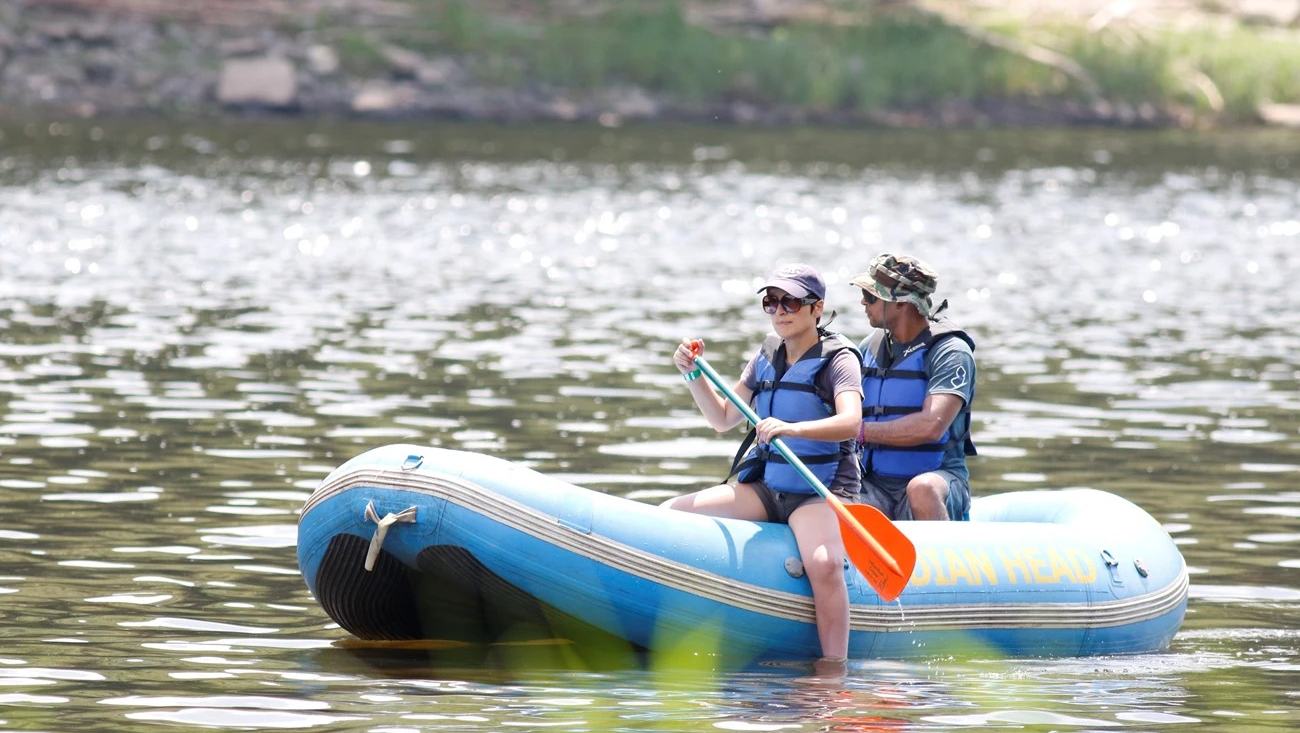
The National Park Service publishes specific personal-flotation requirements for this river. A life jacket must be available for each person, children aged 12 and under must wear one, and everyone is required to wear one when the river reaches the specified six-foot threshold at relevant gauges. From November 1 through April 30, wearing a life jacket is mandatory for everyone on the water regardless of river level.
This seasonal rule is particularly relevant for a visitor planning a journey around the final weekend of October. A boat trip that begins under autumn sunshine cannot be evaluated using summer assumptions alone. Good practice is to wear a properly fitted life jacket whenever paddling, carry clothing appropriate for immersion and check the Park Service's current requirements just before departure, since an individual gauge reading can change quickly after rain.
A route with no convenient public shuttle
The river has a number of recognised public accesses, but the Park Service warns that there is no general public transit, rideshare or public shuttle service along much of the route. Unless a private outfitter provides transport, paddlers should arrange vehicles at both the launch and intended take-out before beginning. That small logistical detail can prevent an exhausting finish or an unsafe attempt to continue after the party should have stopped.
The agency publishes paddling distances and estimated travel times, with a typical pace under moderate conditions around two to two-and-a-half miles per hour. That is only a planning reference, not a guarantee, because headwinds, river height and paddler ability change the rate of progress. Allow substantial spare daylight and agree on a specific take-out location rather than a vague landmark.
Where boats may enter and leave the water
Launching arrangements vary by access. The Park Service identifies designated Pennsylvania and New York ramps and also notes places where vessels must be launched by hand rather than by trailer. Riverbanks elsewhere may be private or unsuitable, so it is essential to use recognised entry and exit points. The Upper Delaware's shoreline is not a continuous public park where passengers may stop whenever they wish.
Select the access according to both the craft and the crew. A touring kayak can often be carried to a hand-launch point, while a heavier open boat may require a proper ramp. Before travelling, check whether an access is open, how far the carry is and whether high water has changed conditions at the landing. A poor choice of take-out can spoil an otherwise successful afternoon.
Reading a river that changes with rainfall
The route includes quiet reaches as well as riffles and rapids, so local conditions should guide the planned section. Hidden currents, undercut banks and the difficulty of controlling a boat in cold water can present risks well before a stretch looks like conventional whitewater. A family with beginners should seek local advice and select a short, straightforward section rather than attempt an ambitious distance.
Wind also matters because it can oppose the current and make paddling effort unpredictable. Look at the weather forecast and river gauges on the morning of travel, and be prepared to cancel if readings or local reports suggest unsuitable water. A properly prepared group will have a recovery plan, dry spare clothing and a way to contact help without assuming reliable mobile service throughout the corridor.
Rules protect people and the shoreline
The Park Service prohibits personal watercraft on the Upper Delaware and restricts high-wake operation near shorelines, docks, launches, swimmers and other boats. The river is a shared recreational space, so operators need to keep speeds and wakes appropriate to nearby paddlers and river users. Fishing and motorboat licensing requirements also depend on the activity and state waters involved.
Respect the private property that borders much of the river. Where someone wishes to stop for lunch or rest, use authorised public land and established access rather than assuming an empty-looking bank belongs to the park. Carry out food packaging and other rubbish, avoid disturbing wildlife and leave the shoreline as it was found. Responsible conduct helps preserve the landscape that draws visitors here.
A thoughtful late-October outing
The Upper Delaware is at its best when approached with patience: a manageable distance, an unhurried pace and enough flexibility to change plans. Its hills, changing light and water reflections can make even a short paddle memorable, but the river's beauty is not evidence that conditions are safe. Autumn offers striking scenery alongside a smaller margin for error if somebody ends up in cold water.
The safety and access information in this guide follows the National Park Service's official Upper Delaware boating page. The mandatory cold-season rule beginning November 1 is a specific requirement, not merely an editorial recommendation. Verify current access, river heights, weather and applicable rules before setting out, and choose a different activity if the conditions are beyond the group's skills.