
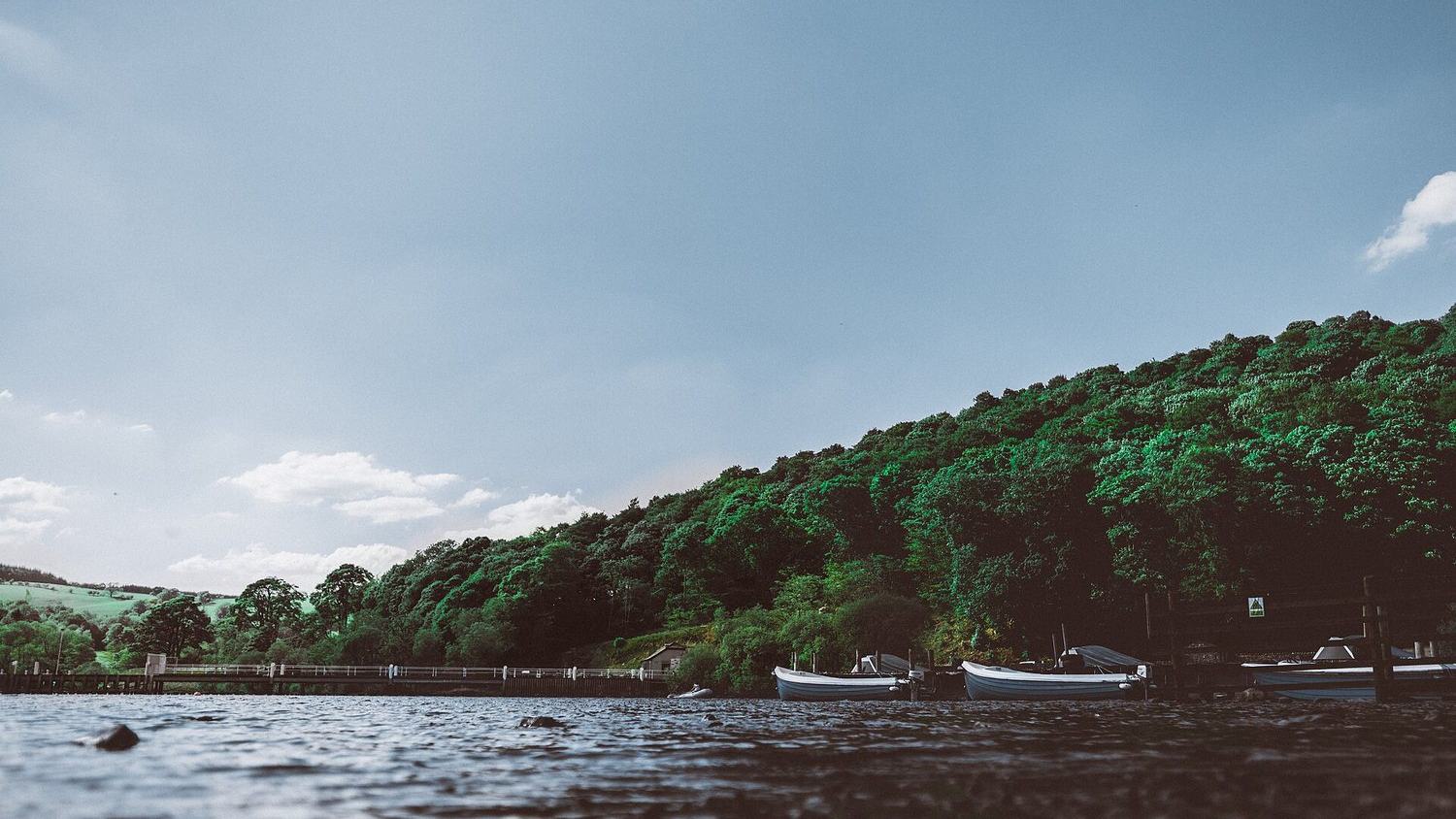
Ullswater combines Lake District mountain views, boating around Pooley Bridge and Glenridding, and an official 10mph limit for powered craft.
A lake where the journey is the attraction
Ullswater lies among the eastern fells of England's Lake District, offering an attractive setting for small motorboats, dinghies, rowing boats and paddlers. It is not a place where covering the greatest distance makes the best holiday. The changing shapes of the surrounding slopes, gentle inlets and village shorelines invite the skipper to travel slowly and enjoy the views. A compact boat with comfortable seating can provide an excellent family outing, provided the route and weather are suitable for everyone aboard.
The northern area around Pooley Bridge feels different from the steeper mountain scenery near Glenridding. Between them lie bays and landing areas whose availability and access conditions require checking before a day is planned. It can be tempting to treat the lake as one simple straight passage, but its length and potential wind exposure mean a return across the water should be carefully considered. Begin with a modest route and keep a useful margin for unexpected delays.
The ten-mile-per-hour speed rule
The Lake District National Park publishes Ullswater's 1978 byelaws and confirms a maximum of 10 miles per hour for power-driven vessels, subject to specified exemptions. This is not a planing-speed playground for a modern high-powered boat. A quieter craft, or one operated well below the limit, usually fits the nature of the destination more comfortably. Boats propelled by machinery are covered, including a sailing craft when its engine is in use. Skippers must read the actual byelaws rather than make assumptions based on another lake.
The limit is only one element of considerate conduct. Near a swimming area, a rowing boat, a public landing or a passenger steamer, a vessel may need to travel considerably more slowly to avoid creating wake or a dangerous close encounter. An engine's ability to exceed 10 miles per hour does not make that speed acceptable on Ullswater. Choose a route that can be completed at the appropriate pace and leave enough daylight and fuel or battery reserve for a calm return.
Pooley Bridge and the northern shore
Pooley Bridge is a familiar northern gateway to Ullswater, with facilities and holiday accommodation nearby. The village is a logical point from which visitors can explore shore walks or arrange boating activity, although a convenient waterside location does not automatically mean unrestricted trailer launching. Visitors bringing their own craft need to identify the actual authorised launch and confirm permissions, fees, parking and recovery arrangements. Those details can change with local management or seasonal use and should be checked before towing a boat through narrow roads.
A small private outing might explore an accessible nearby reach, then return for time ashore rather than aiming immediately for the far end. Rowers and paddlers should assess the direction of the breeze before leaving shelter; a following wind on the outward journey can make the return disproportionately difficult. Keep a watch for passenger vessels manoeuvring around landing stages. A predictable course, low wake and plenty of room make shared use more enjoyable for everybody.
Passenger steamers and public jetties
Ullswater 'Steamers' operate a passenger service linking parts of the lake, with published routes involving Pooley Bridge, Howtown, Aira Force and Glenridding. The service is part of the destination's identity and can be a useful alternative when the weather does not suit small-boat hire. Its craft are much larger and less manoeuvrable than a dinghy, especially when approaching a crowded jetty. A private skipper should keep clear of the turning area and not assume a passenger pier is available for stopping or embarkation.
Visitors who want to combine a boat excursion with a walk should check the current passenger timetable and the accessibility of the intended stop. A service that runs in summer may operate differently in a colder month or during adverse weather. Do not build a private cruising plan around an assumed mooring at a commercial jetty. A scenic shoreline can still be appreciated from afloat, while a shore excursion may be better undertaken separately using the designated passenger service.
Glenridding feels more mountainous
At Ullswater's southern end, Glenridding offers a dramatic view of the surrounding fells and an appealing base for walking and waterside activities. The landscape changes significantly from the more open northern approach. A short trip here can feel almost alpine, even though a small boat remains on an English lake. The appeal should not distract from the possibility of wind funnelled along the valley. What seems calm at the village edge may be quite different in the middle of the water.
Plan a southern excursion by observing the forecast and deciding where the boat can turn back safely if the conditions become uncomfortable. A crew arriving by road can enjoy a hired boat or a paddle without needing to bring a trailer across the district. If renting, obtain a proper briefing on the equipment and permitted operating area. A family with inexperienced members should prioritise the sheltered parts of the lake and keep the trip shorter than the advertised maximum hire period.
Aira Force and the walking connection
The wooded Aira Force area is one of Ullswater's best-known walking attractions and a reason many visitors combine a lakeside trip with time on foot. It is more rewarding to plan the combination carefully than to assume a boat can simply be beached at the most attractive point. Access to paths, piers and shore areas may be managed separately, and landing conditions can vary with water level and weather. Use authorised facilities and check the relevant operator's information before choosing a stop.
A small-boat holiday need not involve a complicated series of transfers. An early, short cruise followed by a separate walk can preserve the relaxed pace that brings people to Ullswater in the first place. Keep suitable footwear and dry clothing for the land-based part of the day. If you need to leave a private boat unattended, arrange a lawful, secure berth rather than fastening it to a random lakeside tree. The surroundings are sensitive and deserve careful treatment.
Cold water and sudden wind
Ullswater can be cold even when the sun is shining, making an unexpected immersion a serious concern for paddlers and occupants of an open dinghy. Fit suitable buoyancy aids or lifejackets and wear them rather than keeping them in a locker. Carry warm layers in waterproof storage and make sure the crew understands how to summon assistance. A family should avoid treating a swimming stop as routine simply because the surface appears placid. Water temperature, depth and access all matter.
The Lake District National Park emphasises that open water is dangerous when visitors exceed their limits. Check a reliable forecast close to departure and monitor the surface as the trip proceeds. Do not allow a planned meal, appointment or expensive hire to make the skipper continue in worsening conditions. When gusts increase, shorten the route and return while there is still ample control and energy. A quiet day on the lake is much better than an ambitious journey ending in difficulty.
Launch and recovery are part of seamanship
If travelling with a trailer boat, research the launch site as thoroughly as the intended route. Check the width of access roads, gradient and surface of the ramp, towing restrictions, parking arrangements and whether engines are allowed at that location. A calm but narrow launch can be awkward with other users waiting nearby. Prepare the hull, engine, lines and safety equipment in the parking area and avoid occupying the ramp while passengers sort bags or clothing.
On recovery, allow additional time for getting the boat secured to the trailer and dealing with wet equipment. Rushing can lead to a poorly attached winch, an unsecured outboard or a forgotten drain plug. Inspect the craft and trailer before returning to the road. A realistic owner should consider these logistics when deciding whether a personally owned boat is convenient or whether hiring a modest local vessel might make a particular holiday day more pleasurable.
Sharing a fragile lakeside landscape
Ullswater is part of a protected national park where wildlife, shoreline habitats and other visitors share the same space. Avoid drifting into reed beds, making excessive wake near the bank or approaching nesting birds for photographs. Keep litter aboard until it can be disposed of properly and do not discharge oil, fuel or other waste into the lake. Anchor only where appropriate and avoid dragging hardware across sensitive vegetation. The choice to travel gently benefits both the environment and people enjoying the shore.
Remember that a beautiful stretch of private land remains private when viewed from a boat. Do not assume permission to step ashore or leave equipment on a picturesque beach. Follow published access information and the instructions of rangers where relevant. A considerate skipper also recognises that kayaks and paddleboards have limited ability to move quickly away from an approaching powered vessel. Giving them space is safer and more enjoyable than trying to squeeze through.
An Ullswater itinerary that makes sense
For a first-time outing, choose a single accessible starting area, follow a modest shoreline route and leave enough time for a relaxed return. Consider a view of passing steamers and the changing mountain skyline as the day's main pleasures. A crew wishing to explore both ends of the lake may be happier taking separate short visits than attempting one long journey. The published 10-mile-per-hour rule and shared-water character of Ullswater favour a measured style of travel.
Before departure, check the National Park's current boating guide and byelaws, confirm the exact launching arrangements and review weather, equipment and crew capabilities. Make sure somebody ashore knows the intended return time. Those preparations do not make Ullswater complicated; they simply allow the visitors to relax once afloat. In an attractive setting where the pace is deliberately slow, the best achievement is a safe and memorable experience rather than a large number of miles covered.
Sources: Lake District National Park Ullswater byelaws and official activities guide. Photograph: Boats on Ullswater Lake, Joshua Newton, Wikimedia Commons, CC0. Photo resized for web presentation.
