
A practical small-boat guide to Thousand Islands National Park in Ontario, covering island docks, separate camping and boating permits, and quiet cruising.
The Thousand Islands section of the St Lawrence River is a compelling place to explore in a modest motorboat, small cabin cruiser or sailing craft, with clusters of protected islands offering places to stop, walk, picnic and, where permitted, spend a night. Thousand Islands National Park in eastern Ontario has facilities specifically designed for visiting boaters, including docks, mooring buoys, picnic tables and camping opportunities. Parks Canada's official boating guidance explains how those amenities work, and the details matter: dock space is generally first-come, first-served, a mooring or beaching permit is required, and camping fees do not automatically include docking. A relaxed holiday begins by understanding those distinctions. With a chart, a suitable vessel and a carefully chosen weather window, visitors can enjoy island scenery at their own pace without needing a large yacht or a tightly scheduled tour.
A river landscape built around islands
The St Lawrence in this region is not simply one broad, unobstructed stretch of water. It contains islands, narrow channels and areas of shallow rock that demand navigational care. The official park guide specifically warns boaters to use suitable nautical charts to avoid hidden rocks and shoals. That practical warning is central to the destination. An appealing island visible from a boat may not have a safe approach from every direction, and a small runabout can still be damaged by an unexpected rock. Taking time to understand the chosen part of the river, including the locations of appropriate landings, is more useful than trying to visit the greatest number of islands in a day.
Mallorytown Landing as a starting option
Parks Canada identifies Mallorytown Landing among the options for launching a vessel, alongside various municipal and private marinas between Brockville and Kingston. A trailerable craft can make the journey accessible to people who do not keep their boat permanently in the region, provided the launch, parking and recovery arrangements are verified. The park lists separate fees for some launching and parking services. Visitors should not assume that purchasing a camping reservation settles the cost of leaving a vehicle or launching a boat. Arriving with a sensible plan for the ramp can make the day less stressful, particularly on a weekend when other boaters are waiting to use the same facilities.
Choosing a serviced or rustic island
The park describes a range of visitor experiences, from islands with more services to quieter locations where supplies and rubbish must be carried away. Serviced islands can offer docks or mooring buoys, composting toilets and picnic tables, while individual islands differ in their availability of shelters, barbecues, rubbish collection or generator use. That variety is part of the appeal. A family with children may prefer a place with convenient facilities, whereas a couple wanting a quieter afternoon might choose a more rustic landing. The correct choice should be made from the park's current island-by-island facilities guide, not from the assumption that every island has drinking water, a rubbish bin or an available berth.
Why boat permits and campsite bookings differ
Parks Canada requires all vessels using park islands to hold a valid mooring or beaching permit. It expressly states that these permits are not included with tent camping or oTENTik accommodation fees. That can surprise visitors who have already booked an overnight stay and believe access by boat is covered. The correct arrangement depends on whether the vessel docks, uses a mooring buoy or beaches at an authorised point. Fees are also calculated differently, with day and overnight docking charges related to vessel length. It is important to verify the exact current categories and payment arrangements, because the permit is attached to the boating activity as well as the overnight accommodation.
First-come dock space and useful timing
One of the most useful details in the official boating guide is that dock space is generally allocated on a first-come basis. Parks Canada says day passes expire at 7 pm and overnight docking passes at 11 am, with limits on staying at the same island or mooring buoy for more than three consecutive nights. Travellers may plan around those changes, but there is no guarantee that a space will become available exactly when expected. A skipper should have an alternative destination or a safe return option if the first island is crowded. The point of an island holiday is to enjoy the day, not to race other boats toward a particular dock.
The coloured lines on park docks
The park has a simple but important system for identifying restricted dock space. Yellow markings are reserved for park and emergency vessels, while blue markings are reserved for people holding the relevant camping or oTENTik permits. An ordinary day visitor should not occupy either type of reserved space just because the dock appears empty. This is especially relevant to owners of short boats who might assume that a narrow gap is available for a quick stop. Respecting marked spaces helps keep emergency access clear and reduces inconvenience for people with accommodation reservations. Park attendants and official signs should be treated as the relevant authorities on a particular island.
Small dinghies have their own place
A dinghy or yacht tender can be convenient for reaching an island when a larger vessel remains at a permitted mooring, but beaching fees and rules still apply. The park lists beaching as a separate permit category. That is a useful reminder that a small inflatable boat is not exempt from local visitor arrangements merely because it is easily pulled ashore. A skipper also needs to identify a landing that is authorised and suitable for the water depth and hull. Dragging a craft through sensitive vegetation or onto rocky shoreline can damage both the environment and the boat. The most relaxing landing is one that is planned and legally permitted before the tender reaches the beach.
Sleeping aboard or camping ashore
Some visitors will be happiest remaining aboard a small cabin cruiser, while others may prefer a tent or a park-operated oTENTik. The park offers several types of camping and overnight accommodation, but each has distinct rules and reservation processes. A boat capable of an overnight stay still requires suitable sanitation, ventilation and electrical safety arrangements. A tent camp may have a reservation but no guaranteed dock. The decision should depend on the crew's comfort, the vessel's capabilities and the chosen island's facilities. It would be misleading to describe every island as offering the same level of services or to promise an available campsite without a live booking.
A practical family itinerary
A modest day can begin with a confirmed launch, followed by a conservative cruise to an island whose facilities match the group. After securing the vessel correctly, visitors might explore a short walking trail, enjoy lunch and return with plenty of daylight. An overnight itinerary requires more planning, including the relevant accommodation reservation, boating permit and provision of drinking water. The park does offer family nature programmes and other activities at selected locations, but their availability should be checked rather than presumed. There is no need to make the schedule complicated. An island visit can feel like a complete boating holiday even when the vessel travels only a short distance from its launch.
Generator use and neighbourly behaviour
The park distinguishes between islands where generators are permitted and quieter locations where their use is restricted. Those rules can affect someone staying aboard a boat whose comfort depends on electrical appliances. The official guidance also sets quiet hours from 10 pm to 8 am and asks boaters to respect neighbours. A small cruiser may be relatively compact, but its engine, music or onboard equipment can still affect nearby campers. Choosing the right island for the crew's needs is better than arriving at a quiet location and discovering that an essential generator cannot be used. A good holiday leaves other visitors able to enjoy the same scenery.
Freshwater, rubbish and tick precautions
The official Parks Canada guide warns that surface water from the St Lawrence should not be assumed safe for drinking without appropriate treatment. Taking sufficient potable water is an important part of even a short visit, especially when the chosen island has limited facilities. Rubbish and recycling collection also vary by location, so the boat should have room to take everything back when necessary. The park notes the presence of blacklegged ticks that can transmit illness, making suitable clothing and checking for ticks sensible after walking ashore. These small preparations are not glamorous, but they help ensure that a relaxed weekend does not produce preventable difficulties.
A photograph of the river itself
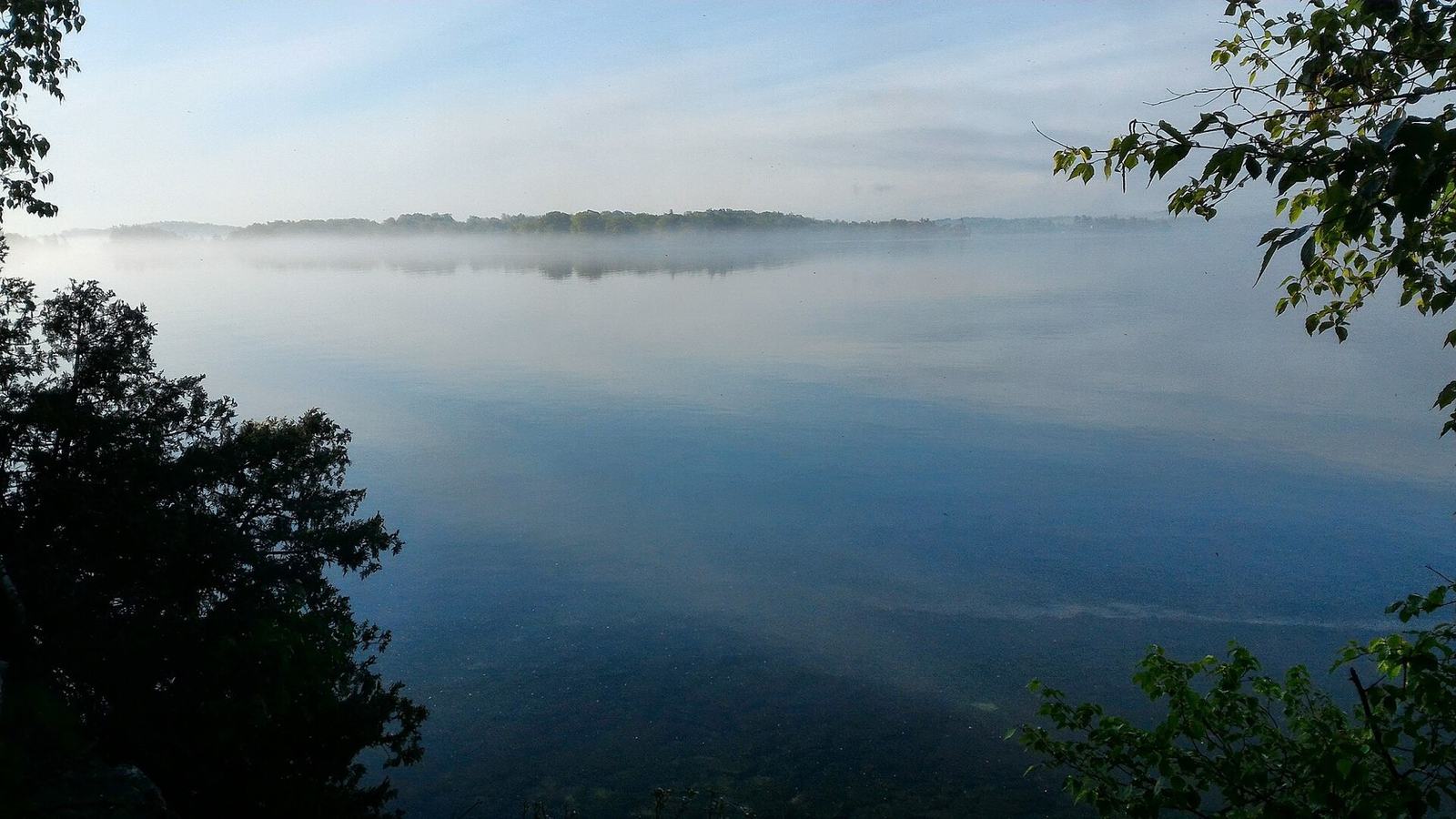
The lead photograph is a genuine view of the St Lawrence River from Gordon Island in the Thousand Islands region, taken by Ferris842 and shared through Wikimedia Commons under a Creative Commons Attribution-ShareAlike 4.0 licence. It documents the actual destination without implying that a particular dock, rental or campsite is available at the time of publication. The image has been resized, and the photographer and original file are credited. The park's primary boating guidance supplies the specific details about docking permits, island amenities, coloured markings and limits on stays. Current weather, chart information and fee schedules must be checked directly when planning a trip.
Why an island-by-island cruise is rewarding
The Thousand Islands offer a form of boating that suits modest vessels particularly well. A small cruiser can reach permitted docks, a tender can provide access where beaching is authorised, and a family may spend more time on an island than underway. The scale of the adventure is determined less by boat length than by knowledge of the water and an appreciation of the park's rules. A reliable chart, a sensible plan for docking and the right permits create the conditions for genuine freedom. The reward is the chance to slow down among the islands while leaving their natural character and shared facilities in good condition.
Sources and photograph attribution
Official destination and boating guidance: Parks Canada — Thousand Islands National Park Boating. Current access, rules, weather and reservations must be checked independently before travel.
Photograph: Ferris842 — “St Lawrence River from Gordon Island.jpg” (CC BY-SA 4.0), via Wikimedia Commons. Resized and converted to JPEG for editorial display. Source: https://commons.wikimedia.org/wiki/File:St_Lawrence_River_from_Gordon_Island.jpg. Licence: https://creativecommons.org/licenses/by-sa/4.0. Original rights remain with the credited creator or as specified by the source and licence.
