
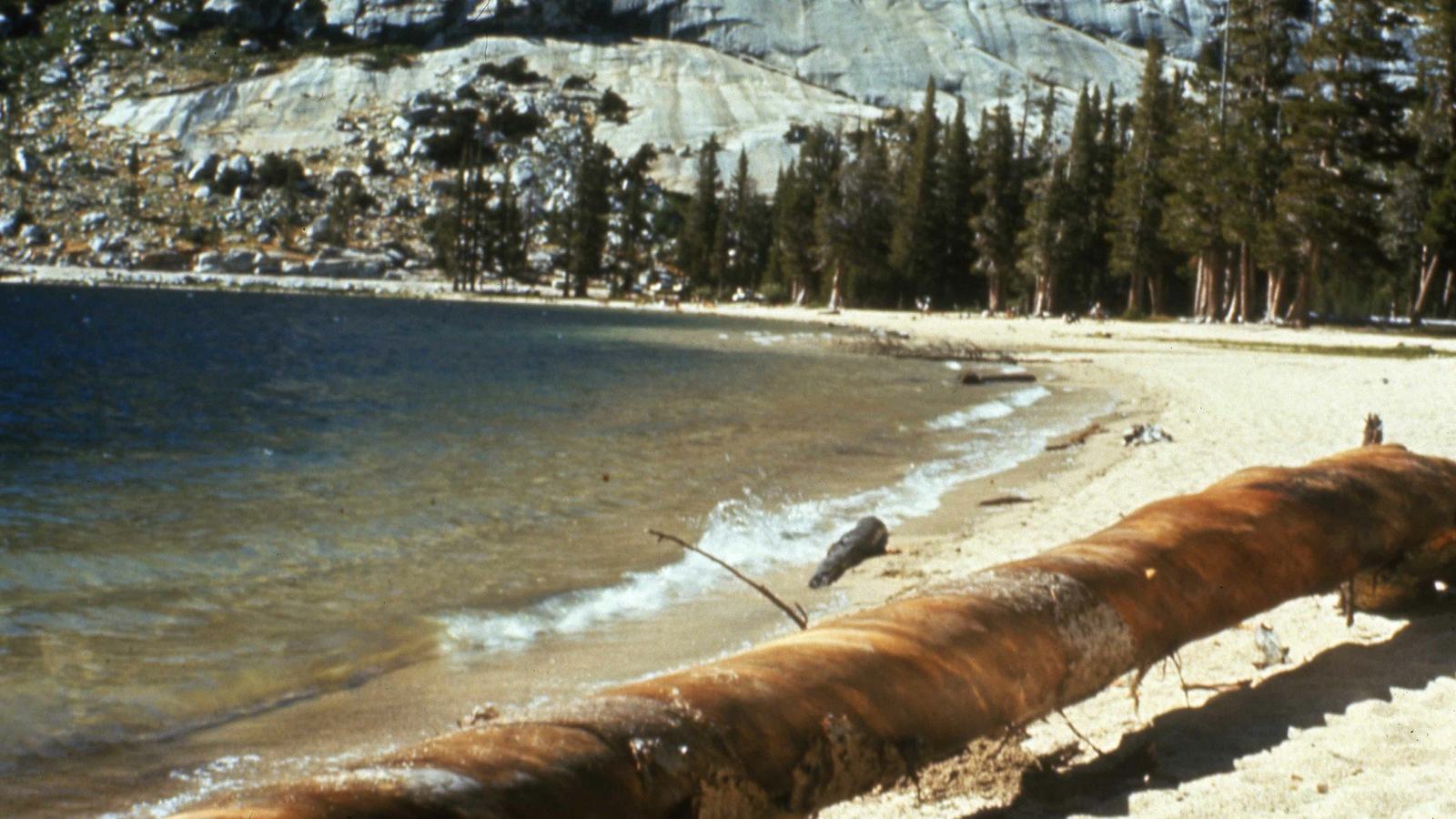
Yosemite's Tenaya Lake offers a striking high-country paddling setting for visitors who plan carefully around access, cold water, wind and park boating regulations.
A mountain lake rather than a summer beach
Tenaya Lake lies in Yosemite's high country, where granite scenery, open sky and alpine conditions make a paddle feel very different from a trip along a sheltered lowland river. The National Park Service identifies kayaking as a popular way to enjoy its waters, but the lake's visual calm should never be taken as proof that conditions are benign.
The attraction is the combination of accessible scenery and a personal perspective from a small craft. A kayak allows the visitor to experience shoreline detail and the surrounding rock formations at a pace that walking beside the road cannot entirely reproduce.
Altitude and exposure alter the preparation required. Even when the air feels pleasant, lake water may remain cold, and a breeze can make the return to a launch point materially harder than the outward leg. Paddlers should start with a conservative plan that leaves generous time to return.
What the park permits
Yosemite's boating rules allow non-motorized vessels on most park lakes, with specific exceptions that visitors must review. The rules also regulate the use of designated launching and retrieval locations and prohibit dragging a craft across vegetation or using a wheeled device to launch where disallowed.
Every person aboard must have an appropriate flotation device available, and children aged 13 or younger must wear one while afloat under the park's regulations. Wearing a properly fitted personal flotation device is sensible for all paddlers on a cold mountain lake, even when a particular condition does not make it mandatory.
Visitors should read the National Park Service boating page before arriving rather than assume rules are identical to those at a public recreation lake elsewhere in California. Park managers may also impose temporary closures or restrictions to protect habitats, manage risk or respond to changed conditions.
Selecting a sensible route and schedule
An appealing Tenaya outing does not require crossing the entire lake. A short exploration of shoreline features, with a clear turning point and a known return location, is often a more rewarding experience than chasing distance for its own sake.
Wind is a particularly important factor on broad, exposed mountain water. The safest plan considers the forecast and actual conditions at the launch, how waves may build and whether the party has the strength and experience to make the trip back without outside assistance.
Solo paddlers should tell someone their expected route and return time, and groups should avoid separating into widely spaced craft. A phone in waterproof protection may help in some locations but should not be the only safety measure in a place where terrain can interrupt communications.
Equipment and cold-water judgement
A stable, properly maintained kayak or canoe is the starting point, supported by suitable layers, footwear and a personal flotation device. Waterproof storage, drinking water, sun protection and a spare warm layer become especially important where the water is cold and the weather may change quickly.
Anyone who falls into cold water can lose effective movement much sooner than expected. Paddlers should know how to recover from a capsize, avoid swimming unnecessarily and be willing to cancel when water temperature, wind or a participant's ability makes the situation marginal.
Beginners should keep to short near-shore routes with reliable support and appropriate equipment. A mountain lake can be a splendid introduction to paddling, but only when the trip is chosen for the least experienced person in the group rather than the strongest.
Making time for Yosemite beyond the boat
Tenaya Lake is part of a larger Yosemite journey, and it is worth leaving time to appreciate the landscape from shore as well as from the water. A short paddle followed by a relaxed walk or picnic can create a richer experience than trying to squeeze several demanding activities into one day.
Access depends on seasonal road conditions and park operations in the high country, so check whether the route is open before making travel arrangements. Late-season or early-season visits require particular caution because snow, ice and rapidly changing forecasts can affect both driving and recreation plans.
The reward for thoughtful preparation is straightforward: an unusually beautiful mountain lake experienced at close range. Tenaya is best enjoyed as an unhurried paddle with an easy retreat plan, not as a test of how far someone can travel before the weather turns.
Cold-water exposure also changes how a party should dress. Shorts and a light top may feel comfortable while standing in the sun, yet they offer little protection after an unexpected immersion. Clothing should be selected for the water temperature and the realistic duration of exposure, with advice from qualified local paddlers or guides when there is any doubt.
Before reaching the park, check whether the equipment can be carried to an authorised launch without rolling or dragging it over sensitive areas. Yosemite's restrictions are intended in part to protect the landscape, so the logistics of moving a canoe from a vehicle to the lake are part of route planning rather than an afterthought.
For detailed rules on launch locations and lifejackets, consult the Yosemite boating regulations directly. The rules for particular rivers differ from those on Tenaya Lake, so travellers should confirm which section of the official guidance applies to their chosen craft and route.