
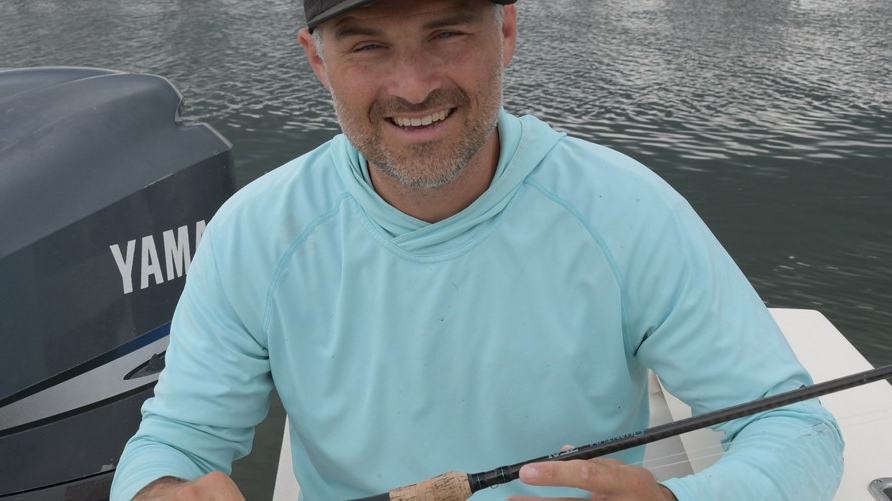
Yamaha Blue Life profiles Capt. Greg Cudnik’s approach to summer flounder, focusing on drift, bottom structure and presentation from a small boat.
What to know
Summer flounder spend much of their time close to the bottom, so boat position matters almost as much as the lure. A productive drift keeps the bait moving naturally through the right depth.
Channels, edges and broken bottom can hold fish because current concentrates bait. Anglers who understand the shape of the bottom can repeat productive passes instead of drifting randomly.
How to approach it
Wind and tide do not always push the boat in the same direction. Small throttle corrections or a sea anchor can help keep the presentation under control.
The goal is usually to maintain contact with the bottom without dragging so heavily that the rig becomes lifeless. Adjusting weight as conditions change is part of the technique.
Where the practical value lies
Flounder fishing also suits small family boats because it can be done at moderate speed with everyone involved. The fishing becomes social rather than requiring constant casting.
Keeping the deck organised helps when several anglers are working rigs close together. Tangles and loose hooks become the main enemy of an otherwise relaxed session.
Why it suits LBG readers
For LBG readers, the appeal lies in simple technique and accessible water. A modest boat can provide an excellent day if the skipper understands drift and structure.
It is also a useful reminder that good boat handling improves fishing. The engine and helm remain part of the tackle even when the boat is barely moving.
Source
Yamaha Blue Life