
A practical, richly researched guide to boating around Sucia Island in Washington's San Juan Islands, with mooring rules, reefs, shore walks and October 2026 park alerts.
The San Juan island that belongs to boaters
Sucia Island is one of the clearest expressions of the Pacific Northwest's boat-in holiday: a forested marine state park of coves, sandstone shorelines and sheltered places to pause. It lies in the northern San Juan Islands of Washington State and has no ferry-driven arrival sequence for visitors; a private or chartered vessel is the practical way in. That simple fact changes the rhythm of a visit. Instead of driving to a viewpoint, crews choose a bay, make a safe arrival, pay attention to tide and weather, and step ashore with no hurry to rejoin road traffic.
Washington State Parks calls Sucia a signature marine destination for its beaches, sunsets and carved sandstone formations. The official park listing identifies six areas used by boaters: Echo Bay, Ewing Cove, Fossil Bay, Fox Cove, Shallow Bay and Snoring Bay. The bays offer different exposures and approaches, not interchangeable parking spaces on water. Crews should study up-to-date charts and the park's own map, select the cove suited to their draft and the day's forecast, and resist the temptation to follow another boat into shallow or reef-strewn water without checking.
Mooring, anchoring and the details that matter
The park currently lists 48 mooring buoys, two linear moorage systems and two docks distributed around the island. Buoys remain in place throughout the year, while Dock Two is normally removed from October until April as protection from storm damage. These facilities are for recreation, but availability is never guaranteed and each buoy or dock must be assessed for the visiting vessel's size, depth, load and any posted restrictions. A small boat with a shallow draft has different options from a deeper cruising motorboat, and neither should assume a vacant buoy is automatically suitable.
Washington State Parks requires self-registration and payment for vessels using moorage, including those rafted to another vessel. Its published rates list a buoy fee and a dock fee calculated by vessel length, with overnight charging arrangements and annual permits described on the park's boating pages. Check the currently posted fee and registration instructions before arrival; phone registration is available for some buoys, but a remote location is a poor place to discover that a payment or mobile connection is unavailable. There is no reservation of a particular ordinary buoy in advance.
Anchoring on the vessel's own gear is generally available in the island's bays and coves without the park's moorage charge. The bottom is commonly sandy mud, yet eelgrass and seaweed in some areas can complicate holding, and sensitive habitat is another reason to choose carefully. The park explicitly cautions boaters about Clements Reef north of Sucia and the approaches to Ewing Cove, Fox Cove and Shallow Bay. Additional reefs project near Little Sucia Island, Henry Point, the Finger Islands and the Cluster Islands. Official charts, sounder readings and conservative pilotage matter more than a pleasing view from the cockpit.
Fossil Bay, Echo Bay and a shoreline shaped by time
Fossil Bay is a logical place to understand Sucia's appeal because a natural harbour, walking opportunities and the park's visitor facilities come together. The shoreline's distinctive rock formations also reveal the island's geological story. Washington's Department of Natural Resources describes fossil-bearing strata and the discovery of the state's first dinosaur bone, a theropod fossil sometimes referred to as Suciasaurus. That history makes Sucia especially interesting for families travelling with curious children, but specimens and rocks must remain in place. State-park rules prohibit fossil collecting.
Echo Bay offers a different sense of scale and is popular with vessels arriving for a quiet stay among the islands. Its broad water and changing evening light invite an unhurried approach, but a scenic anchorage does not cancel seamanship. Watch the expected wind shift, account for swing room and check whether other boats are on private anchors or fixed moorings. A visiting crew might spend the late afternoon walking from an authorised landing, then return for dinner aboard as the surrounding hills become silhouettes. There is no need to invent a crowded itinerary for a place whose principal attraction is being there.
Smaller coves such as Shallow Bay, Fox Cove and Ewing Cove can appeal to crews seeking intimacy with the shoreline. Their names, however, should not be confused with a guarantee of easy access: reefs, shoal entries, limited turning room and exposure can make the smallest bays the most demanding. The park specifically advises frequent chart checks in these approaches. Choose the bay that best suits the crew's experience and vessel, and be ready to choose a larger, safer location when conditions change. The best Sucia story starts with a clean arrival and finishes without a grounding.
Walks, wildlife and low-impact exploration
After securing the vessel, exploring on foot reveals the island's quieter dimensions. The park describes forest trails, viewpoints, beaches and sandstone outcrops, along with bird watching and opportunities for paddling. A short shore visit can unfold slowly: follow marked trails, watch light move across the water from a headland and spend time observing seabirds without pressing close to nesting or resting animals. The island also lies in the traditional territory of Coast Salish communities, a history that deserves acknowledgement beyond the recreation brochure.
Kayaks and paddleboards open another perspective on sheltered shoreline, but cold water and rapidly changing conditions require appropriate flotation, clothing, communication and judgement. A paddle that is comfortable inside a protected bay may become hazardous outside it, especially near currents and exposed reefs. Less confident visitors can enjoy the shore from a beach or trail without treating water sports as compulsory. Fishing and crabbing are possible recreational pursuits where rules allow, but state licences, seasons, shellfish safety notices and any local closures must be checked separately.
Leave No Trace is not an optional slogan on a boat-in island with limited services. Washington State Parks says Sucia has no rubbish collection, so every bag, bottle and food scrap must return with the boat. Campers and day visitors should use designated facilities and respect fire restrictions, which can change with conditions. The park's dinosaur-fossil history adds a further responsibility: no collecting from the cliffs or beaches. An untouched piece of sandstone tells its story better than a fragment carried home as a souvenir.
What changes for autumn and winter 2026
The official park alert published on 1 October 2026 warns that drinking water will not be available at Sucia Island Marine State Park from 1 October through 15 April. Visitors during this period should provision drinking water aboard and avoid assuming an island tap will refill the tanks or galley bottles. The island has no ordinary shops or refuelling services, and Washington State Parks directs crews to services elsewhere in the San Juan area. Treat self-sufficiency as a central part of the visit, particularly in a colder season when daylight and assistance can be more limited.
A second alert, issued 12 October 2026, describes construction at Fossil Bay beginning in mid-November, including a new pumpout station. The park advises that the work may involve a crane barge, construction noise and tidal operations, while moorage is expected to remain available. These details matter for an autumn itinerary: the most convenient landing can still be operational without offering the same quiet ambience. Check notices close to departure, give workboats room and avoid planning a celebration or a photography excursion around an active construction zone.
The island remains an attractive destination outside high summer, but shorter days, colder water and changeable wind make casual assumptions more costly. Crew members should agree a return time from shore, carry suitable clothing and lights, and establish a simple fallback if one bay becomes uncomfortable. Weather cancellation is part of sensible small-boat travel, not a failed holiday. Mainland harbours and the larger serviced San Juan communities can provide a better base if a prolonged forecast makes an overnight island stop unwise.
A rewarding two-day small-boat itinerary
For a gentle first day, arrive with ample daylight and choose a safe mooring or anchorage after checking the chart and park guidance. Leave enough time for registration if using a buoy or dock, settle the boat properly, then explore a nearby trail or beach without racing the sunset. A simple meal aboard and time to watch the changing island colours can be more satisfying than searching for an extra attraction. If conditions permit, a second morning offers the opportunity for a brief paddle or another shore walk before departure.
The departure plan deserves the same care as the arrival. Recheck the tide, visibility, weather and charted shoals, allow other vessels room and keep wake low near moorings and sensitive shorelines. Sucia rewards the crew that arrives prepared and leaves little trace: clean anchoring, courteous shared facilities and curiosity about the island's natural and cultural history. That combination makes the voyage feel like a genuine escape, even though the busy towns and marinas of the wider San Juan Islands remain within cruising reach.
Official sources and image credit
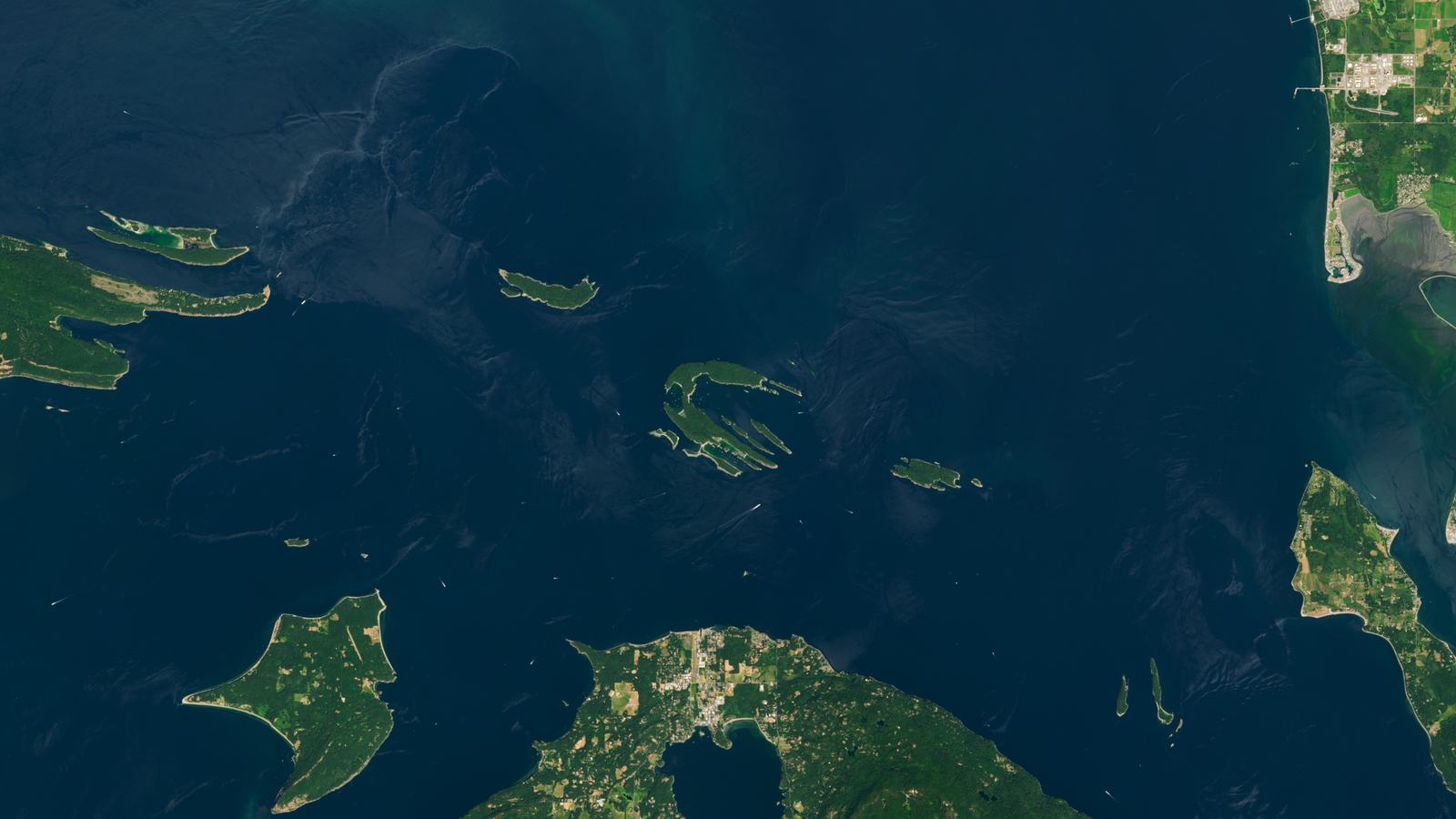
Current visitor information comes from Washington State Parks' Sucia Island Marine State Park page, including the October 2026 water and construction alerts, and from its boat moorage rules. Background on the geology is available from the Washington Department of Natural Resources. The official satellite hero image is NASA Earth Observatory's Sucia in Summer, produced from Landsat 9 data by Lauren Dauphin using USGS data. This editorial guide is not a replacement for official navigation, weather or park notices.