
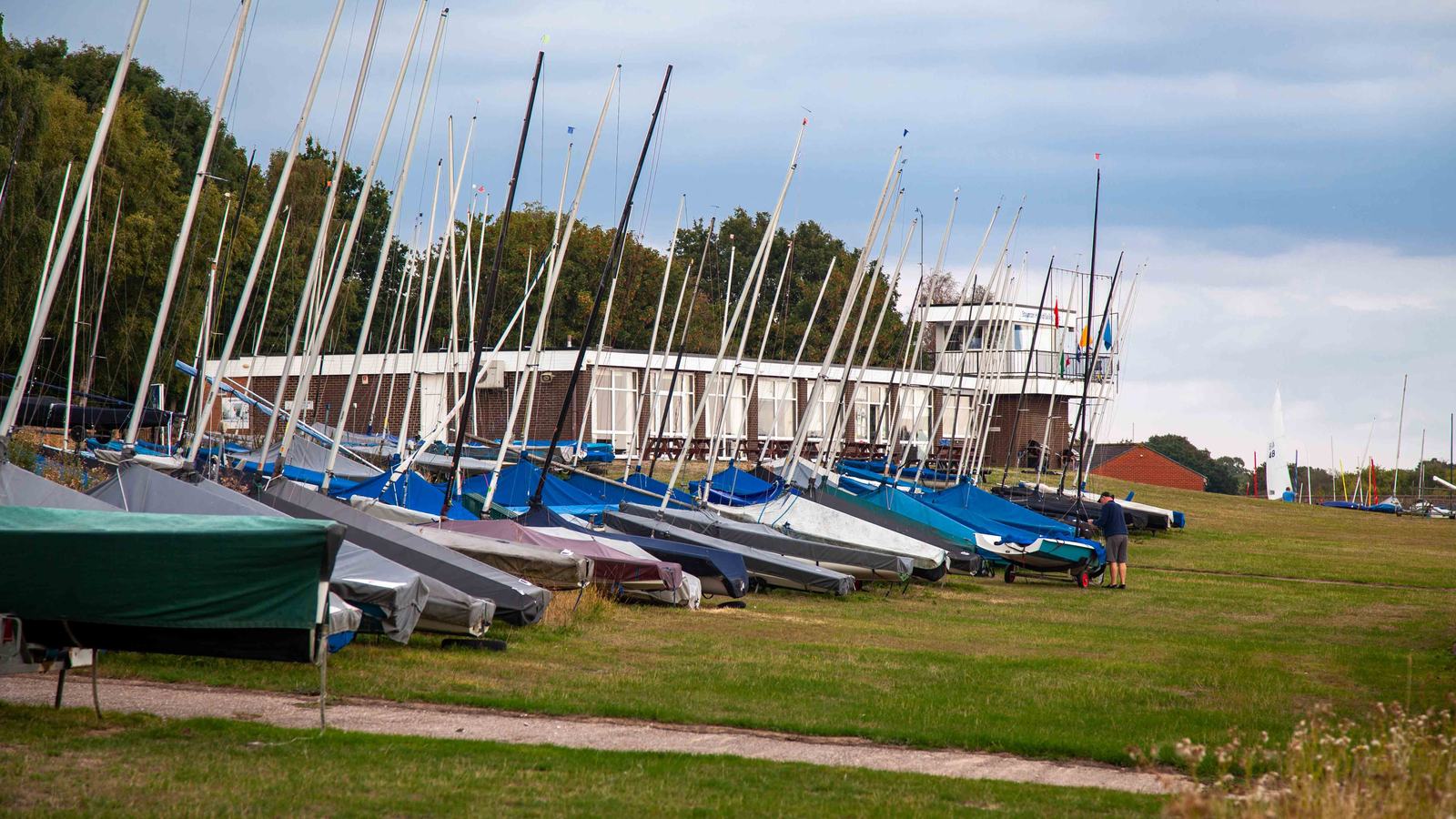
Staunton Harold Sailing Club in Derbyshire has won a 2026 RYA Green Blue Team award after using an energy audit, efficiency improvements and solar power to reach net zero.
A sailing club finds an answer to growing overheads
Staunton Harold Sailing Club in Derbyshire has been recognised for a programme of energy saving and sustainability work that began with members examining how much power their facilities use. The Royal Yachting Association announced on 13 October that the club had received its 2026 Green Blue Team award, highlighting a practical example of club members working together to reduce costs.
The association reports that Staunton Harold has achieved net zero through a combination of community involvement, better energy management and a newly installed solar-power system. Rather than presenting the result as a single expensive equipment purchase, it emphasises that an audit and a sequence of smaller improvements helped the club arrive at a workable plan.
For leisure boaters, that is a useful reminder that the buildings and services associated with sailing also form part of the environmental footprint of the activity. A small club may have a modest fleet, but electricity used for lighting, heating, changing rooms and everyday administration still influences its operating expenses.
An audit is more useful than guessing at energy demand
The first stage was an assessment of how and when energy was being used around the sailing club. An audit provides a baseline from which members can decide whether changes to lighting, controls, heating or equipment operation will make a meaningful difference.
Clubs that have never reviewed their usage may find that the greatest savings are not necessarily achieved by buying the largest possible solar installation. Avoiding wasted power in an empty clubhouse or changing the way equipment runs can sometimes reduce demand before new generation capacity is specified.
For members considering a similar project, the most valuable approach is to collect reliable bills and usage data rather than making assumptions based on the size of the building. A qualified installer or energy specialist can then advise on which improvements are reasonable for the site and its pattern of use.
Solar power changes the club operating equation
After completing its initial improvements, Staunton Harold installed solar generation as part of a broader effort to reduce reliance on purchased electricity. The RYA says the system has proved efficient and that the club hopes to export surplus power to the grid.
Generating electricity on site can be attractive to a community organisation because the savings may benefit members for years after the initial expenditure. The financial outcome, however, depends on installation cost, the time of day when electricity is required, maintenance and the local terms for grid connection or export.
A sunny afternoon when boats are sailing does not necessarily coincide with the clubhouse’s highest electricity demand, and cloudy winter days can produce very different generation. For that reason, a carefully planned energy project needs measured assumptions and a maintenance plan rather than relying on the headline size of the solar array.
The benefits are not confined to electricity bills
Staunton Harold’s programme also includes work with wildlife partners and efforts to involve younger members in environmental projects. The association highlights these activities alongside energy saving, suggesting that the initiative has become a way for different generations of club members to contribute.
Reservoir sailing depends on attractive surroundings and healthy waterways, so club decisions about landscaping, waste handling and how people use shoreline areas can influence the local environment. Practical projects may also introduce junior sailors to the responsibility that comes with enjoying shared natural spaces.
These benefits should not be treated as an automatic result of fitting solar panels. They emerge when members continue to make thoughtful decisions and develop relationships with organisations able to provide appropriate advice about local habitats and environmental management.
What other boating clubs can learn
One reason the RYA has publicised the project is that it offers a model for other volunteer-run organisations. Club committees frequently balance maintenance, training programmes and the cost of keeping facilities open, leaving little spare capacity for complicated new initiatives.
Beginning with clear goals and a realistic assessment can make a sustainability project more manageable. Where members have useful technical experience, they may help organise the work, but electrical design and construction should still be checked by qualified professionals and comply with the relevant regulations.
The club’s experience also shows the value of sharing progress with members. When people understand why small changes are being made, they may be more willing to support the project through everyday habits, fundraising, volunteering or the careful use of shared facilities.
An example of better long-term club stewardship
The Green Blue Team award is part of the RYA’s broader recognition of organisations and individuals working to improve sailing and boating. Receiving the award does not mean a club will never face new energy or environmental challenges, but it recognises sustained effort and the willingness to evaluate its practices.
Owners using marinas, sailing centres or community boat clubs may find it worthwhile to ask how facilities are maintained and whether the organisation has a long-term plan for energy and environmental management. Such discussions can complement more familiar questions about boat storage, access, safety and membership.
For Staunton Harold, the solar installation and efficiency work are concrete changes supported by members. The larger achievement may be building a culture in which cost control, volunteer engagement and care for the surroundings are treated as connected parts of keeping a sailing club healthy for the future.
Clubs in older buildings should also examine the practical condition of roofs, wiring and existing insulation before planning new installations. The right project for one waterside facility may not be suitable for another, particularly if structural work or local permissions are required. A staged approach can help avoid disruptive changes that do not deliver the intended savings.
The positive lesson is that community organisations do not have to choose between caring for the environment and looking after member finances. In many cases, the same sensible planning, careful record-keeping and shared commitment that make a boat club enjoyable can also provide the foundation for a more economical and environmentally responsible site.
Source
Royal Yachting Association