
Plan a Chesapeake Bay small-boat visit to St Michaels, with the Maritime Museum's arrival guidance, harbour etiquette and a practical shore-focused itinerary.
A waterside town best enjoyed with time to spare
St Michaels, on Maryland's Eastern Shore, has the kind of waterfront that can turn a compact boat outing into a complete day out. The harbour setting, the Miles River and the Chesapeake Bay Maritime Museum create a natural connection between being on the water and understanding the region's working maritime past. It is tempting to plan a long list of destinations, but a modest craft may be better used for one well-chosen arrival, a walk ashore and an unhurried return. The Museum publishes practical information about approaching by boat, and the Maryland Department of Natural Resources provides broader boating-safety guidance. Those sources are worth reading before departure, because a charming harbour photographed in calm weather can still have local traffic, tidal movement and docking arrangements that must be respected. The route itself should be tailored to the crew, vessel and current Chesapeake conditions.
Why St Michaels is different from a random lunch stop
Many waterfront communities offer restaurants or a scenic quay. St Michaels adds a place to learn about Chesapeake Bay history, traditional workboats, shipbuilding and the culture of people whose lives have depended on the water. The Chesapeake Bay Maritime Museum describes a waterfront site with exhibitions, a working shipyard and a collection of historic vessels. That makes it appealing to boaters who enjoy seeing how craft and maritime skills have evolved. It also gives non-boating passengers a reason to spend time ashore. A well-designed small-boat trip should accommodate those interests rather than expecting everyone to remain in the cockpit for hours. Allow a substantial portion of the day for the museum and town, while treating arrival and departure times as flexible around conditions.
Read the museum's approach information
The Museum's official Getting Here page includes a dedicated section for arriving by boat. It identifies the St Michaels harbour approach and explains the need to contact the dockmaster when coming into its marina. The published guidance should be consulted in full, alongside current nautical charts, before following any entrance route. A website description is a useful orientation tool, not a substitute for charted navigation and a lookout. A skipper unfamiliar with the Miles River should identify marks, possible shoal water and other traffic in advance, and maintain enough time to alter the plan if visibility or weather deteriorates. Do not rely on a route downloaded from another boater's social-media post without checking its suitability and date. There is no requirement to turn a family day into a test of confidence in shallow water.
Understand the distinction between visitor docking and marina access
The Chesapeake Bay Maritime Museum explains that day docking is available on a first-come, first-served basis and describes its marina arrangements, including provisions for members. Those are different concepts. A visitor should never assume that a private, members-only or reserved berth is open simply because there is empty water alongside it. The Museum asks approaching boats to contact the dockmaster for a slip assignment, and its site supplies current contact details. Confirm the present availability, charges, arrival requirements and duration of stay before entering. If an appropriate space is not available, use a pre-researched alternative rather than occupying an unassigned slip. This kind of preparation is especially important for small boats whose crews may be tempted to make a quick, informal landing.
The arrival should be quiet and deliberate
Harbours are busiest near their entrances, fuel points, launch areas and visitor docks. Reduce speed early, prepare the correct lines and fenders and explain to passengers where they should remain seated. Let the helm concentrate on manoeuvring while a designated crew member handles the bow or stern line as instructed. Watch the effect of wind and current, which can push a light craft sideways even when the throttle is neutral. Do not encourage someone to jump across a gap or hold the boat off the dock with a leg. A safe approach is slower, with room to abort and try again if necessary. If the landing is unfamiliar, ask the dockmaster for assistance. Good harbour etiquette is not about looking expert; it is about making predictable movements that other boaters can understand.
An afternoon at the maritime museum
The museum is a practical choice for a mixed-age crew. Its waterfront setting connects indoor interpretation with real vessels and working maritime skills, providing variety when younger passengers or non-boaters tire of looking at the same stretch of water. Check current admission, opening times, exhibition arrangements and any special events on the Museum's Plan Your Visit page. An interesting outdoor display may be affected by weather or maintenance, so avoid treating every exhibit described online as guaranteed on the day. A visit works well when the crew has time to stop, ask questions and explore rather than rush through before a tightly scheduled return passage. The aim is to discover something about Chesapeake boating that an ordinary scenic cruise would not reveal.
What to notice in a working maritime setting
A traditional boat is a record of its purpose. Hull shapes, working decks, rigging and machinery reveal how people used the Chesapeake for transport, fishing and other livelihoods. Observing those features can deepen appreciation for a modern centre-console, small sailboat or family launch. Many current leisure-boat conveniences exist because designers solved problems that earlier crews managed with simpler means. The museum's working shipyard also highlights the skills required to keep wooden craft serviceable. These are useful observations rather than a claim that the visitor can freely enter every operational area. Working spaces are subject to safety controls, and children should be supervised near tools, docks and vessels. Enjoy the stories that are accessible to visitors and respect boundaries set by museum staff.
A town walk without neglecting the boat
One of the advantages of a dayboat visit is stepping away from the engine and letting the place become the destination. In St Michaels, that might mean a short walk, a meal or simply time to look across the harbour. Before leaving, confirm that the mooring arrangement is secure, fenders will not ride up and the vessel is not blocking access for another user. Keep valuables properly stored and do not leave loose equipment where a breeze or passing wake could move it. The timing of a meal should include the walk back, unmooring and a conservative passage home. If the forecast has changed, leaving a little earlier may be wiser than staying for an extra stop. The boat's safe return remains the skipper's responsibility during a shore excursion.
Chesapeake weather and tidal awareness
The Chesapeake can look wonderfully sheltered from a village waterfront, but broader passages may be affected by wind over open fetch and tidal currents. The conditions encountered on the return can differ markedly from those enjoyed on arrival. Check a suitable marine forecast before departure and monitor updates during the day. Use current navigation information for shoals and aids to navigation, and consider how reduced depth at certain tides affects the boat. A small shallow-draft vessel can sometimes reach places inaccessible to a deeper cruiser, but it is not immune to grounding or submerged obstructions. If a passage becomes uncomfortable, seek an appropriate sheltered option and reassess rather than pressing on because the day has been pleasant so far.
Maryland boating requirements belong in the plan
The Maryland Department of Natural Resources provides official boating-safety guidance, including operator education requirements and other obligations. The applicable rules depend on factors such as the operator and craft, and visitors should review the current information before using a motorboat in state waters. Equipment requirements and navigation rules should be treated separately from marina rules; permission to dock is not permission to operate without the required safety provisions. Carry suitable lifejackets, make sure the crew knows where they are and use a communications method appropriate for the planned water. A skipper should also know the procedure for reporting an emergency or hazard. Taking the time to understand local regulations is particularly worthwhile when boating away from a familiar home jurisdiction.
Choosing the right size of trip
A first St Michaels outing need not include a circuit of distant tributaries or the entire Chesapeake. From a suitable nearby start, the day can be structured around reaching the harbour, visiting the museum and returning by a known passage. The precise route and duration must depend on the boat, its fuel reserve, the day's tide and weather, and the location of the launch or home berth. Plan an alternate destination or an early return if visitor docking is unavailable. Carry water and layers even in summer, and keep some margin for delays while waiting for a slip assignment or retrieving a trailer. It is easier to enjoy an extra hour ashore when the boat and crew are not already committed to a marginal return schedule.
What to verify before casting off
The strongest sources for this trip are the Museum's Arriving by Boat and Plan Your Visit pages, supplemented by the Maryland Department of Natural Resources' current boating information and up-to-date navigation charts. Check the dockmaster's present contact method, visitor docking arrangements, museum hours and any local restrictions. Do not interpret the museum's first-come docking policy as a guarantee that space will be available. A thoughtful crew will also check the water forecast, shore access and the boat's mechanical readiness. Done well, a St Michaels outing has a particular charm: the boat provides the arrival, while the harbour and maritime history give the day its depth. The most successful voyage is one where nobody feels hurried on the water or ashore.
Sources and picture credit
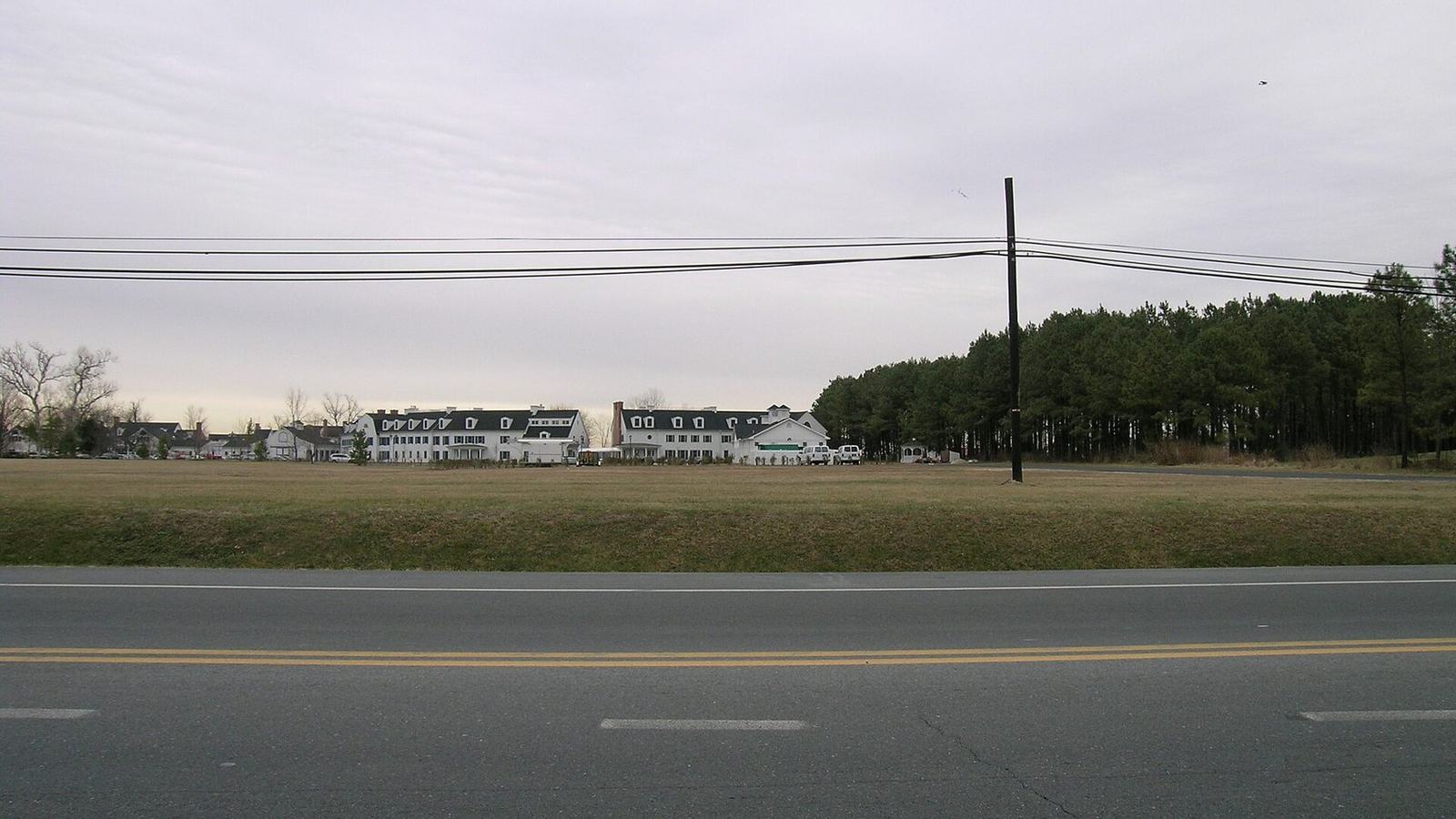
Official information: Chesapeake Bay Maritime Museum's arrival guide, visitor information, and Maryland boating safety. Photo: St Michaels landscape by Preservation Maryland, CC BY-SA 2.0; resized without cropping.
