
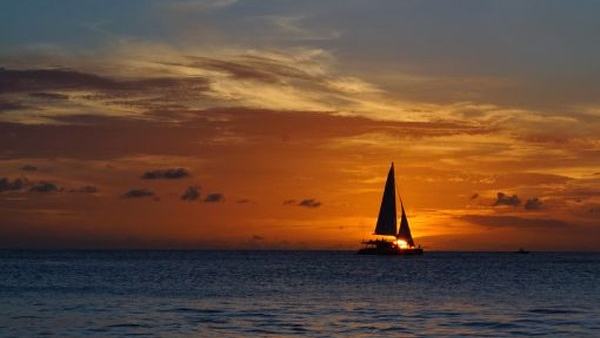
A sheltered lake can be a memorable place to watch the stars, but night navigation, weather and a safe anchorage must be planned well before sunset.
A different atmosphere after sunset
For small-boat owners who are comfortable with evening operations, a calm lake can offer a memorable view of the night sky. Away from bright shore lighting, more stars may become visible, and the reflections on still water can make the experience feel unusually peaceful. Discover Boating's stargazing guide recommends checking sky conditions, timing the trip carefully and giving the eyes time to adjust to darkness.
This is not a suitable first boating outing for somebody who has never navigated at night. A skipper should already understand the local waterway, navigation aids and the vessel's equipment requirements. In many cases, spending the evening beside the boat at a marina or campsite will offer excellent stargazing without the additional demands of travelling in darkness.
Choose a place that can be reached and left safely
A familiar sheltered anchorage or permitted mooring is more appropriate for a quiet astronomy outing than an exposed section of open water. The skipper should check depth, holding conditions and any restrictions on nighttime access before departure. A return plan needs to account for the darker surroundings, other vessels and navigation marks that look different after sunset.
Avoid planning a long journey to a supposedly perfect dark-sky location if the return route is unfamiliar. Weather forecasts should cover the entire night rather than only the departure period. A calm afternoon may become windy or foggy later, and those conditions can remove any enjoyment from a trip that depends on looking at the sky.
Night vision takes time to develop
Eyes generally need time to adapt to lower light levels, so turning away from bright phone screens can make faint stars easier to see. A low-intensity red flashlight may be useful for reading a chart or locating equipment without destroying night adaptation as quickly as a white light. Guests should avoid unnecessary screens once the boat is safely settled.
Essential navigation, anchor and safety lights must still be displayed as required by law. Preserving night vision does not justify switching off legally required lights, and operators should never deliberately make a vessel harder for others to see. People aboard should also know where grab handles and the edges of the deck are located before conditions become dark.
Simple equipment can be more effective
Binoculars are often easier to use aboard a gently moving boat than a telescope, which may be difficult to stabilise. A star chart or suitable astronomy application can help visitors identify constellations or track a visible planet. Choose equipment that can be secured and used from a stable seated position rather than placing heavy tripods or loose objects around the cockpit.
Warm waterproof layers, a flask of hot drinks and an accessible personal flotation device for each passenger will contribute more to the outing than elaborate electronic equipment. Air may cool rapidly after sunset, and the presence of water can make the temperature feel lower. Passengers should avoid sitting where they could fall overboard while watching the sky.
Choose the sky conditions as carefully as the water
Clear skies and a darker phase of the moon are often desirable when the aim is to see fainter stars. A bright moon can still make for a beautiful night, but it changes what is visible. It is sensible to consult the local forecast and an astronomy calendar before promising any particular celestial event to passengers.
A successful stargazing night is one that ends with an uncomplicated return and a crew that feels rested rather than exhausted. The skipper must remain responsible for the boat even while guests watch the stars. Choosing a modest, familiar setting allows the night sky to become the main attraction without turning an ordinary leisure craft into an unnecessary nighttime adventure.