
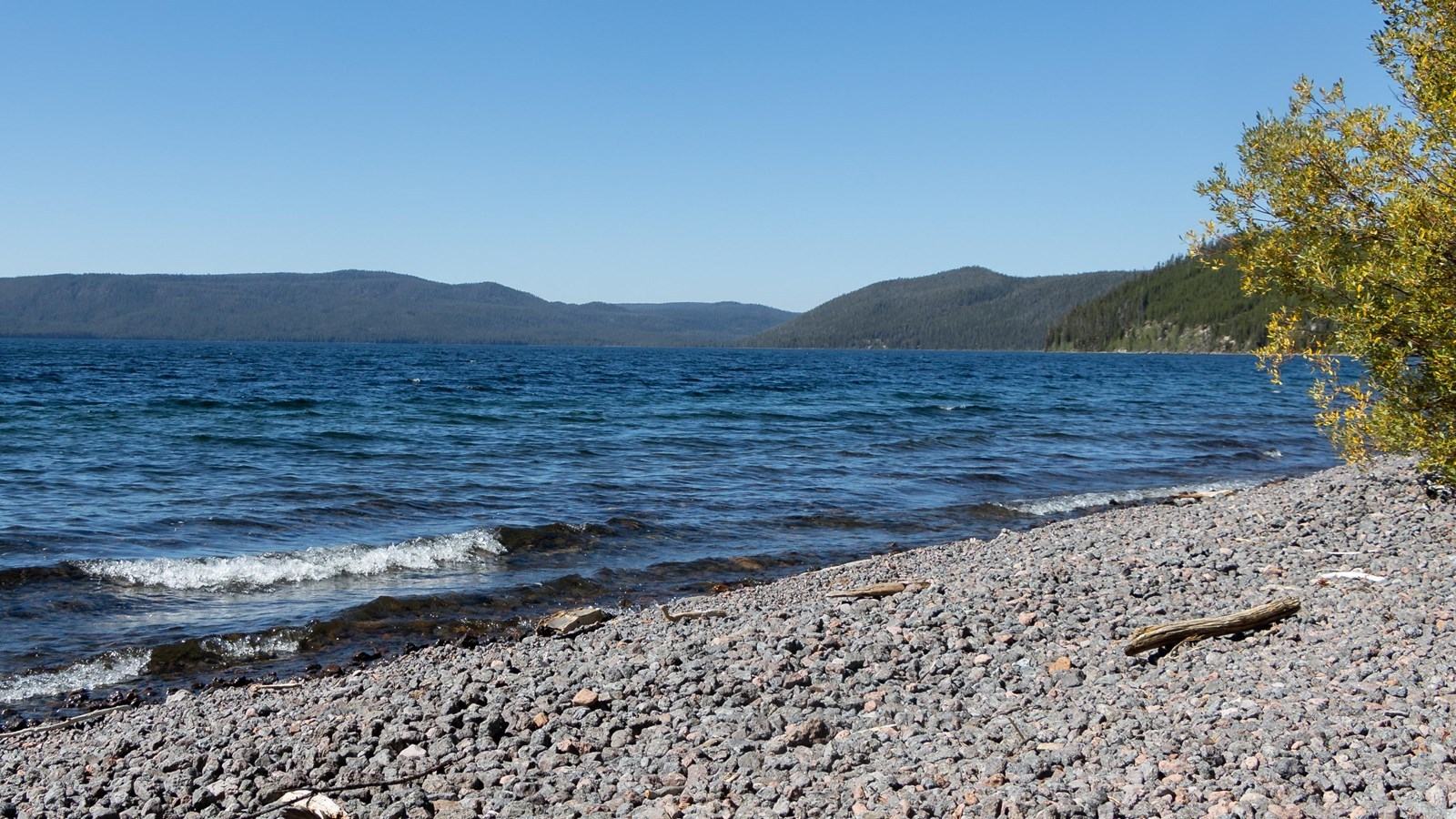
Shoshone Lake has no road access. Its route via Lewis Lake and the river channel demands non-motorised craft, inspection permits, careful weather decisions and backcountry preparation.
Yellowstone's lake without a road approach
Shoshone Lake is one of Yellowstone National Park's great backcountry waters, but it is not a casual roadside launch. Unlike nearby Lewis Lake, it has no road access, and reaching its broad shoreline by water calls for a deliberate expedition using a hand-propelled craft.
The solitude is part of the reward. Forested slopes, cold water and the sense of being well away from developed visitor areas can make a journey here feel markedly different from the busy corridors of the park.
That remoteness also changes the preparation. A crew needs to be comfortable carrying equipment, judging weather and navigating without the reassurance of a marina or a quick walk back to the vehicle.
The National Park Service describes Shoshone as the largest backcountry lake in the contiguous United States. That is a compelling reason to visit, but it should not obscure the primary question of whether the crew's skills and available time match the difficulty of the route.
The Lewis Lake and river-channel approach
One established approach begins on Lewis Lake, where the park has a boat ramp near the campground, then continues towards the connecting Lewis River channel. The channel is roughly three miles long and leads north to Shoshone Lake.
The difficulty is not just the distance. The park warns that part of the channel cannot be paddled upstream in many conditions, meaning crews may need to wade and line their canoe or kayak through shallow, rocky water.
The National Park Service's boating guidance recommends bringing rope for that manoeuvre and emphasises that early-season runoff can make the water particularly cold and difficult. Recent backcountry reporting also noted low water levels in Lewis Channel on 26 August 2026, a reminder that access conditions vary over the season.
Careful packing makes the difference between a controlled portage or lining operation and a frustrating struggle. Waterproof bags should be secured, fragile items protected, and everyone in the crew should understand how to move the boat without losing footing or control.
Permits, inspections and non-motorised waters
Yellowstone requires all watercraft, including canoes and kayaks, to pass an aquatic-invasive-species inspection and obtain a boating permit before launching. This is not a formality to complete after arrival at the water's edge; the inspection should be arranged as part of the day's route to the park.
The park's 2026 boating information lists the general season from the Saturday of Memorial Day weekend through 31 October. Inspection locations and hours are more restrictive than that broad season, so a late-October visitor must check the actual station arrangements before making a journey.
Motorboats are permitted on Lewis and Yellowstone lakes but not on Shoshone Lake. The river channel between Lewis and Shoshone is also limited to non-motorised boating, and a craft carrying a motor must comply with the specific removal and storage provisions before entering.
An overnight trip adds another layer of planning because backcountry camping requires a permit. Choose a designated site with the park rather than treating the wild shoreline as an open invitation to camp anywhere.
Wind, cold water and the return journey
Yellowstone's 2026 backcountry report warns that southwest winds often build through the morning and afternoon on Lewis and Shoshone lakes. A route that is comfortable at daybreak can become much more demanding once the return crossing meets wind and waves.
Cold water increases the consequences of a capsize. Wear a suitable life jacket at all times, consider appropriate thermal clothing and plan realistically for reboarding, self-rescue and the limits of the least experienced paddler.
The NPS has also warned that campsites and trails can change condition during the season. Food-storage instructions, bear precautions, temporary closures and the route to a designated campsite all deserve individual attention rather than relying on notes from a previous year's trip.
This is a journey for a competent, well-equipped party with time to respond to change, not a race to collect a photograph of a remote shore. An early start, careful weather check and conservative turnaround point leave more room to enjoy the landscape.
Before departure, review the latest Yellowstone boating regulations and backcountry situation report together. Confirm the AIS inspection, permit, current Lewis Channel condition, campsite status and weather, and remember that official guidance can change after an article is published.
Shoshone Lake rewards preparation because it asks visitors to travel at the pace of a wilderness waterway. When the route is within a group's capabilities and all permissions are in order, the quiet journey itself becomes as memorable as the lake at its end.
Logistics become particularly important when an overnight group is carrying food, shelter and spare clothing. Distribute weight so that each craft remains stable and every member can manage their share during a river-channel carry. A contingency day helps avoid the temptation to force a return in poor weather simply because the next day's travel arrangements cannot be changed.