
A short, forested western Maryland reservoir paddle for canoe and kayak travellers, combining quiet water with a wider Potomac Heritage Trail getaway.
Some of the most appealing paddling destinations are modest in scale. Savage River Reservoir in western Maryland is described by the National Park Service as a quiet, flat-water outing of approximately 2.6 miles from end to end, with a typical paddling duration of one to two hours. The water is surrounded by forest and forms part of a broader Potomac Heritage National Scenic Trail recreation itinerary. That combination gives it a distinct identity: a short lake experience that can fit into a wider weekend without requiring an overnight expedition or a large touring vessel. It is still an outdoor activity where wind, water temperature and access conditions matter. The attraction is the possibility of spending a few considered hours among wooded hills, not a promise that the reservoir is safe in every season or for every visitor.
A compact destination with room to slow down
A reservoir measuring roughly 2.6 miles end to end invites a different approach from a large lake that might take days to explore. The NPS presents paddling here as a relatively short activity, which can appeal to people who prefer a leisurely afternoon afloat. A visitor may notice the way the shore curves, how forest reflections change and where the water narrows into a more sheltered reach. Those observations require little equipment beyond a suitable craft and appropriate safety gear. However, the official distance is the overall reservoir length, not a recommendation to paddle to the far end and back without evaluating conditions. A route should be chosen according to the crew's experience, the current weather and the practical access available.
Western Maryland's forest setting
Savage River Reservoir lies in a part of Maryland where the landscape changes noticeably from the state's coastal regions and metropolitan centres. Wooded slopes provide the visual backdrop, giving a canoe or kayak outing a sense of separation from the ordinary road network. Forested shores are appealing for photography, yet their calm appearance does not establish that a boat can land anywhere among them. Access rights, steep banks and environmental sensitivity need consideration. The best way to enjoy the scenery may be to remain afloat at an appropriate distance, looking toward the changing tree line without trying to reach every quiet cove. That is a particularly suitable rhythm for a short paddling visit.
The Potomac Heritage connection
The National Park Service places Savage River Reservoir within the experience of the Potomac Heritage National Scenic Trail. Its activity page invites visitors to understand the paddle as part of the Eastern Continental Divide Loop and refers to related hiking routes in the area. That gives the outing a broader context without suggesting that the reservoir itself is a marked multi-day paddling trail. A visitor can combine time on the water with walking or exploring the nearby landscape, provided the separate routes and access points are checked. It is an appealing way to build a weekend around several modest outdoor experiences rather than relying on a single strenuous activity to define the whole trip.
What the published NPS details establish
The official NPS listing describes the paddling opportunity as flat water, with a duration of one to two hours, and notes that the activity is available in spring, summer and fall. It indicates that pets are allowed and that no specific activity reservation is required, while acknowledging that general fees may apply elsewhere. The page does not provide a full set of live launch conditions, an inventory of rental boats or a guarantee that any commercial service is open. Those gaps matter when converting inspiration into a practical plan. Visitors should check current access information from the relevant local authority and confirm their ability to launch and retrieve a craft before setting off.
Flat water is not necessarily motionless
A reservoir does not have the continuous downstream current of a river, but wind can still produce waves and make progress difficult for a small kayak. A headwind may turn a leisurely return into tiring work, particularly when the paddler has already spent time exploring. A partly sheltered cove may also feel much calmer than an exposed reach. The right choice is to check the weather and remain within a range that allows a safe return. Newcomers should avoid setting a distance target simply because the reservoir is comparatively short. A little time spent close to a suitable access point can still provide the experience of being out among the trees.
Choosing a craft for a short outing
A recreational kayak can suit sheltered water when handled within its design and the paddler's ability. A canoe may offer more space for a picnic and a companion, although a lightly loaded open canoe can be more affected by wind. A stand-up paddleboard brings a different perspective but places the user closer to immersion and may not be appropriate in colder conditions or increasing wind. There is no single craft that is automatically best for every visitor. The NPS page describes a paddling activity without specifying that all such craft are available for rent. People should use equipment they know how to operate and seek appropriate instruction before attempting a new type of vessel in unfamiliar water.
The pleasure of an early start
On a day with suitable conditions, an early arrival may offer softer light and a quieter atmosphere than a crowded afternoon. The forest may reflect more clearly when the air is still, and a paddler can take time to observe changes in colour and texture along the shore. That is an aesthetic possibility, not a forecast that the water will necessarily be calm at dawn. The same checks for weather, temperature, route and equipment remain essential. A visitor should also verify permitted access hours and avoid launching in poor visibility without appropriate experience or lighting. The aim is to make an enjoyable small-boat outing part of a relaxed day, not to create unnecessary risk for a photograph.
Where the photograph leads the imagination
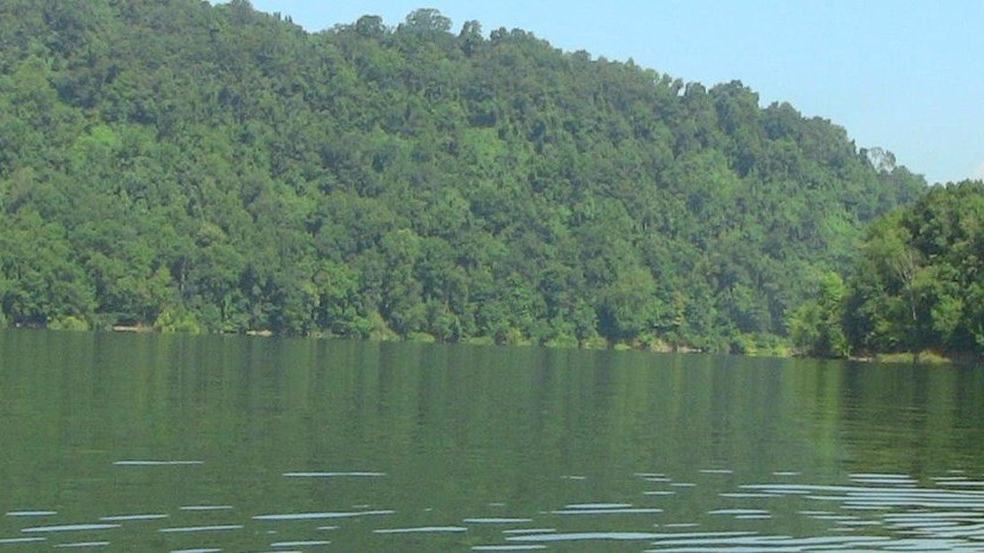
The lead image supplied with the NPS activity page shows the bow of a kayak looking across flat water toward forested surroundings. It captures the intimacy of a small craft: the landscape appears almost at the level of the paddler's hands. That perspective is one reason canoeing and kayaking suit places like Savage River Reservoir. A powerful engine is unnecessary for enjoying a quiet view when the chosen route is appropriate. The photograph is official park-service documentary imagery, not a measurement of the day's water conditions. It should encourage a visitor to learn about the place rather than assume that all future visits will resemble that particular moment.
Combining boating with walking
The NPS identifies the reservoir in the context of a wider network of outdoor activities near the Eastern Continental Divide. A visitor who prefers a mixed weekend could plan a paddle on one suitable day and a forest walk on another. This flexibility is valuable when wind or rain rules out boating. A hiking route may have its own conditions, access restrictions and difficulty level, so it should not be added casually to a packed schedule. The practical benefit of a short paddle is that it can leave time for a second activity without creating pressure to rush. A relaxed holiday depends on allowing enough time to prepare, launch, enjoy the water, recover the boat and travel onward safely.
Safety equipment and preparation
Even a brief trip needs a properly fitted personal flotation device and an understanding of how to respond after a capsize. Water that appears inviting from shore may be colder than expected, and a person can become tired quickly when trying to right or re-enter a boat. Carry a suitable signalling method, drinking water and a protected communication device where appropriate. Make sure the hull, paddle and any attachments are serviceable. A group should agree who is responsible for the route, what conditions will cause an early return and how everyone will remain together. Someone ashore should know the intended plan. These are ordinary precautions that allow a modest trip to remain genuinely relaxed.
Wildlife as a reward for patience
Quiet paddling can create opportunities to observe birds and other wildlife without the disturbance of a motor, although sightings vary and cannot be guaranteed. Remaining at a respectful distance is particularly important around nesting or resting animals. Do not steer a boat toward a bird simply to get closer for a picture or approach an inaccessible shoreline as though it were a public landing. Take time to watch how the landscape changes instead. The pleasure of a reservoir trip often includes the experience of being present without trying to take anything from it. This low-impact attitude also helps preserve the place for the people who use it after the current visitor has left.
Respecting water-supply and recreation rules
Reservoirs may have management responsibilities beyond recreation, including water supply, flood control or other infrastructure. A visitor should not assume that a public activity listing permits boating everywhere or at any time. Current rules governing launches, fishing, swimming, motor use and access to the dam area should be checked with the responsible authorities. The NPS's short description is a reliable starting point for the existence and general character of the paddle, but not a comprehensive operational rulebook. Signs and local notices should be treated seriously, particularly near restricted structures. When in doubt, choose a route whose permissions and conditions can be confirmed rather than improvising an approach to the water.
What to bring for the rest of the day
A useful day kit is simple: dry clothing, food, water, sun protection, suitable footwear and a way to carry damp equipment after the paddle. People bringing their own kayak need to think about secure transport before and after launch. Those hoping to hire should verify that a legitimate local provider exists and can supply the correct craft; the NPS page does not advertise an on-site rental concession. This distinction prevents unnecessary travel. A packed lunch and an alternative walk can help make the outing enjoyable even if the weather changes. The goal is to spend time in the landscape without depending on a complicated schedule or a service that has not been confirmed.
The limits of the published trip description
The National Park Service's activity page supplies the essential identity of the destination: a 2.6-mile quiet-water paddle associated with the Potomac Heritage National Scenic Trail. It does not specify a guaranteed daily opening time, current water level or personal capability standard. The absence of those details is not a reason to invent them. Readers should check current local operating conditions, parking and launch access and any notices that affect recreation before travelling. If those cannot be confirmed, a shore-based alternative may be the better choice. A travel feature can show why a place might be worthwhile without pretending to replace live boating information.
Why a small reservoir can feel like a proper holiday
Savage River Reservoir illustrates how a modest paddling journey can be memorable without turning into an expedition. The forest setting and short official route allow a visitor to focus on being on the water rather than on covering distance. A suitable kayak, good weather and a clear plan may be enough to create several hours of genuine escape. The accompanying NPS photograph documents a real kayak view of the reservoir landscape, with its image provenance recorded in the article. The reward is not a dramatic challenge; it is a change of pace. In a small craft, with wooded shorelines nearby and no need to hurry, even a brief outing can become the centre of an enjoyable Maryland weekend.
Sources and photograph attribution
Official destination and boating guidance: National Park Service — Potomac Heritage National Scenic Trail. Current access, rules, weather and reservations must be checked independently before travel.
Photo: National Park Service, kayak-bow view across the real forested Savage River Reservoir in Maryland. Source: https://www.nps.gov/thingstodo/paddle-savage-river-reservoir.htm. Original rights remain with the credited creator or as specified by the source and licence.