
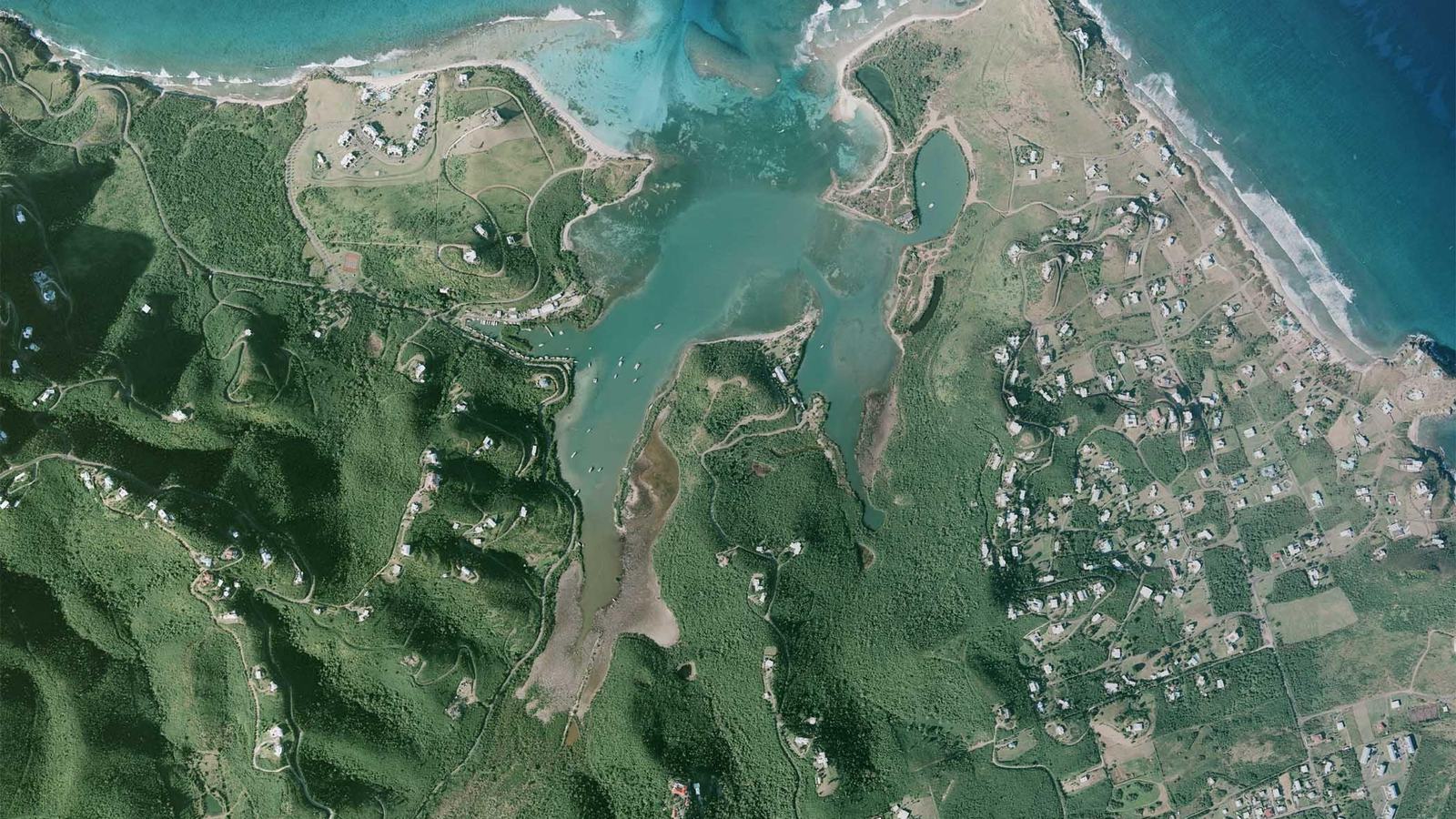
Salt River Bay on St Croix combines mangrove habitat, coastal scenery and layers of Caribbean history. Visitors can explore kayaking options, but should confirm a suitable guided trip.
A Caribbean estuary worth understanding
Salt River Bay National Historical Park and Ecological Preserve lies on St Croix in the United States Virgin Islands, where mangrove forest, coastal water and the island’s human story meet. The park is not simply a postcard cove. Its ecological setting includes an estuary, coral reefs and a submarine canyon, making a journey on the water an opportunity to understand how different habitats depend on each other. A guided kayak outing can reveal the shore without demanding a large boat.
The National Park Service lists kayaking among the activities for which visitors may arrange tours, along with snorkeling, diving and hiking. This is an invitation to investigate a guided option, not a published promise that a particular launch, boat rental or departure runs every day. Those details depend on current local arrangements. Travellers should verify availability, permission and a suitable weather window before building an itinerary around a specific water activity.
Mangroves provide the landscape’s most distinctive feature close to shore. Their root systems slow water and retain sediment, helping protect young fish and other marine creatures. Seen from a kayak at an appropriate distance, the tangle of roots can turn an ordinary coastal outing into a lesson in ecology. Paddlers should resist the urge to push into delicate root areas or land on sensitive shores just because the water is shallow and appears easy to cross.
A habitat built from water and roots
The park describes Salt River Bay as containing some of the Virgin Islands’ significant remaining mangrove forests. Red, black and white mangroves occupy different parts of the coastal landscape, while the water connects their influence to nearby coral habitat. Their leaves and sheltered edges support an intricate food web, and juvenile fish find refuge among roots. A quiet paddle can be rewarding precisely because the most important activity may be happening beneath the boat.
Such habitats are vulnerable to careless boating. A paddle or grounding hull can damage roots, churn up sediment or disturb animals, while litter and spilled fuel can affect water quality long after visitors leave. Keeping the boat to an appropriate authorised route, avoiding unnecessary landings and leaving wildlife undisturbed are central to a responsible visit. A knowledgeable local guide can explain what visitors are seeing without directing a group into fragile areas.
Salt River Bay also carries a long history of people living and travelling in the Caribbean. A visitor should approach the area with respect for archaeological and cultural features rather than treating the coastline as unoccupied scenery. Never remove an object from shore or disturb a structure to obtain a photograph. Understanding the relationship between community, coast and marine habitat deepens the experience, even if the eventual paddle lasts only an hour or two.
Confirm access and support before travelling
A critical logistical point is the closure of the Salt River Bay visitor contact station following hurricane damage. The National Park Service directs visitors to its staff for tour information and points to Fort Christiansvaern in Christiansted as a source of park information. Do not arrive assuming there will be an operating kayak hire desk at the bay. Ask about current guided outings, qualified providers, launch locations, transport and any restrictions affecting the day.
The park identifies its visitor team as a contact for arranging information, but availability and conditions can change. Contact the operator directly before paying for accommodation or transport planned around a tour. Confirm whether the equipment, flotation devices, instruction and return arrangements are included, and whether a group must meet away from the closed visitor station. If a particular part of the bay is inaccessible, use an alternative authorised activity rather than improvising a launch.
St Croix’s tropical weather should be taken seriously on the water. Heat and strong sun require drinking water and sun protection, while squalls, wind and waves can rapidly make a shallow bay difficult to navigate. Ask the guide about the forecast and any current water or marine-life alerts. Wear suitable flotation, keep personal electronics dry and make a clear plan for returning to land. A calm departure is no guarantee that the return journey will remain easy.
A thoughtful way to visit an ecological preserve
The purpose of kayaking here should be observation rather than speed or close contact with wildlife. Drift quietly, give animals room and leave delicate shoreline vegetation intact. Reef-safe sun protection, careful waste handling and secure water bottles reduce the likelihood of leaving a trace. Visitors should not assume that nighttime paddling, independent launches or access into every mangrove channel is authorised simply because tours may exist; check current regulations with park staff.
Travellers who cannot arrange a suitable kayak trip can still learn about the preserve through the National Park Service information available in Christiansted. A guided land tour or broader cultural visit may offer insight into St Croix’s history and the bay’s natural features without risking an unsafe or unauthorised water crossing. The value of the landscape does not depend on obtaining a particular photograph or reaching the outer edge of the estuary.
Salt River Bay rewards patience and informed preparation. A small paddlecraft may be an intimate way to experience mangroves and coastal water, but its light footprint depends on where and how it is used. Confirm an appropriate local guide, be realistic about weather and respect the closure and access instructions. The result is a visit that treats one of the island’s important ecological places as something to understand and protect, not simply another box to tick.
Primary planning source: National Park Service Salt River Bay outdoor activities. Consult the original National Park Service guidance and current notices before departure.