
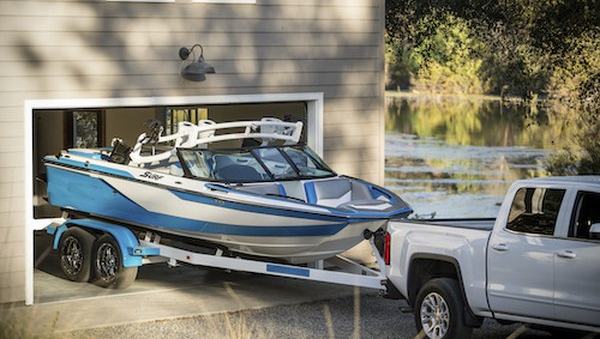
Discover Boating sets out the core checks that help trailer-boat owners move a boat safely between home and the launch ramp.
Start with the basics
Towing begins with knowing the combined weight of the boat, trailer, fuel and gear. The tow vehicle and hitch must be rated for that real load rather than an optimistic brochure figure.
Trailer tyres, wheel bearings, brakes and lights deserve regular attention because they spend long periods parked between trips. A failure on the road can end the boating day before the water is even reached.
How to make it easier
The boat should be secured at the bow and transom with proper straps. Loose equipment inside the boat should also be stowed so it cannot move or blow out at road speed.
Drivers need to leave more braking distance and make wider turns with a trailer. Reversing improves quickly with practice in an empty area away from a busy ramp.
Where mistakes happen
At the launch site, preparation belongs in the staging area rather than on the ramp. Drain plugs, lines and gear should be ready before the trailer enters the launch lane.
The same checks apply on the trip home because straps, lights or tyres may have changed during the day. A two-minute walk-around can prevent a long roadside problem.
Why it matters to LBG readers
For LBG readers, trailering is what makes a modest boat remarkably flexible. It opens new lakes and coastlines without the expense of permanent marina berthing.
That freedom depends on treating the road journey as part of boating. Safe towing protects the boat, the family and everyone sharing the road.
Source
Discover Boating