
Ross Lake sits among the steep forested mountains of Washington's North Cascades, where a small boat can take visitors beyond the view from a roadside overlook. Water, rock and weather play the leading roles. The scenery is striking, but the lake demands more planning than an ordinary shel
A different sort of lake holiday
Ross Lake sits among the steep forested mountains of Washington's North Cascades, where a small boat can take visitors beyond the view from a roadside overlook. Water, rock and weather play the leading roles. The scenery is striking, but the lake demands more planning than an ordinary sheltered dayboat trip.
The National Park Service describes kayaking, canoeing and motorboating opportunities across Ross, Diablo, Gorge and Chelan lakes. They should not be treated as interchangeable. Access and launch arrangements are different on each lake, and Ross Lake has no road-access boat launch at its southern end. Visitors considering a private boat or hired craft need to decide which part of the lake they can realistically reach before planning a route.
Choose the correct access point
The park identifies an approach to Ross Lake from its northern end at Hozomeen, while Ross Lake Resort offers motorboat and paddlecraft rentals and a water-taxi service. A traveller without a trailerable boat may therefore be better served by arranging a rental or transport service than attempting to find a conventional ramp near the dam.
Campers have to think beyond where they can launch. Ross and Diablo lake boat-in sites require backcountry permits, and overnight travel brings questions about food storage, waste, water and a reliable return. A pleasant daytime excursion can be made considerably more complicated by arriving without the necessary reservation or permission.
Cold water is the main hazard
The National Park Service warns that North Cascades waters seldom warm above 50 degrees Fahrenheit, or 10 degrees Celsius. That is dangerously cold for someone who capsizes, regardless of the sunshine at the trailhead. Sudden afternoon gusts and waves are another risk, especially where a steep shoreline offers few convenient landings.
Wear a fitted life jacket, dress for an unexpected immersion and have a practical self-rescue plan. A kayak party should know how to assist a capsized companion, and motorboat passengers should know where communications equipment and safety gear are kept. A route close to shelter may be wiser than an ambitious journey toward a remote inlet.
Why it is worth slowing down
The appeal of the lake is not its distance from civilisation alone. A carefully chosen passage can provide memorable mountain views, wildlife sightings from a respectful distance and a sense of quiet that is hard to find from the highway. A good itinerary leaves enough time to stop, look, and turn back while conditions are still comfortable.
Before travelling, check current lake levels, access notices and the operating arrangements for any resort or water taxi. Ross Lake rewards visitors who plan around the limits of their boat and the weather rather than treating the reservoir as a simple recreational pond.
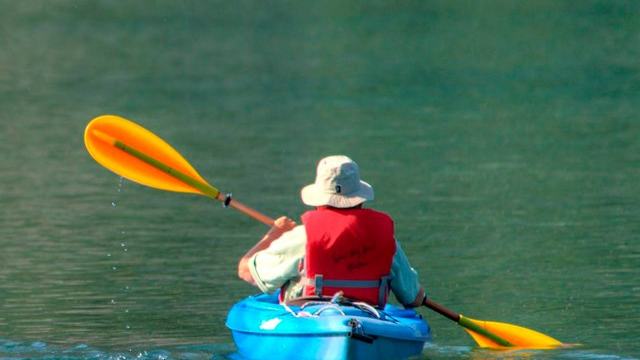
Primary source: US National Park Service — North Cascades National Park. Photograph: National Park Service — two kayakers on a North Cascades lake. Check current access and safety notices with the park before travelling.