
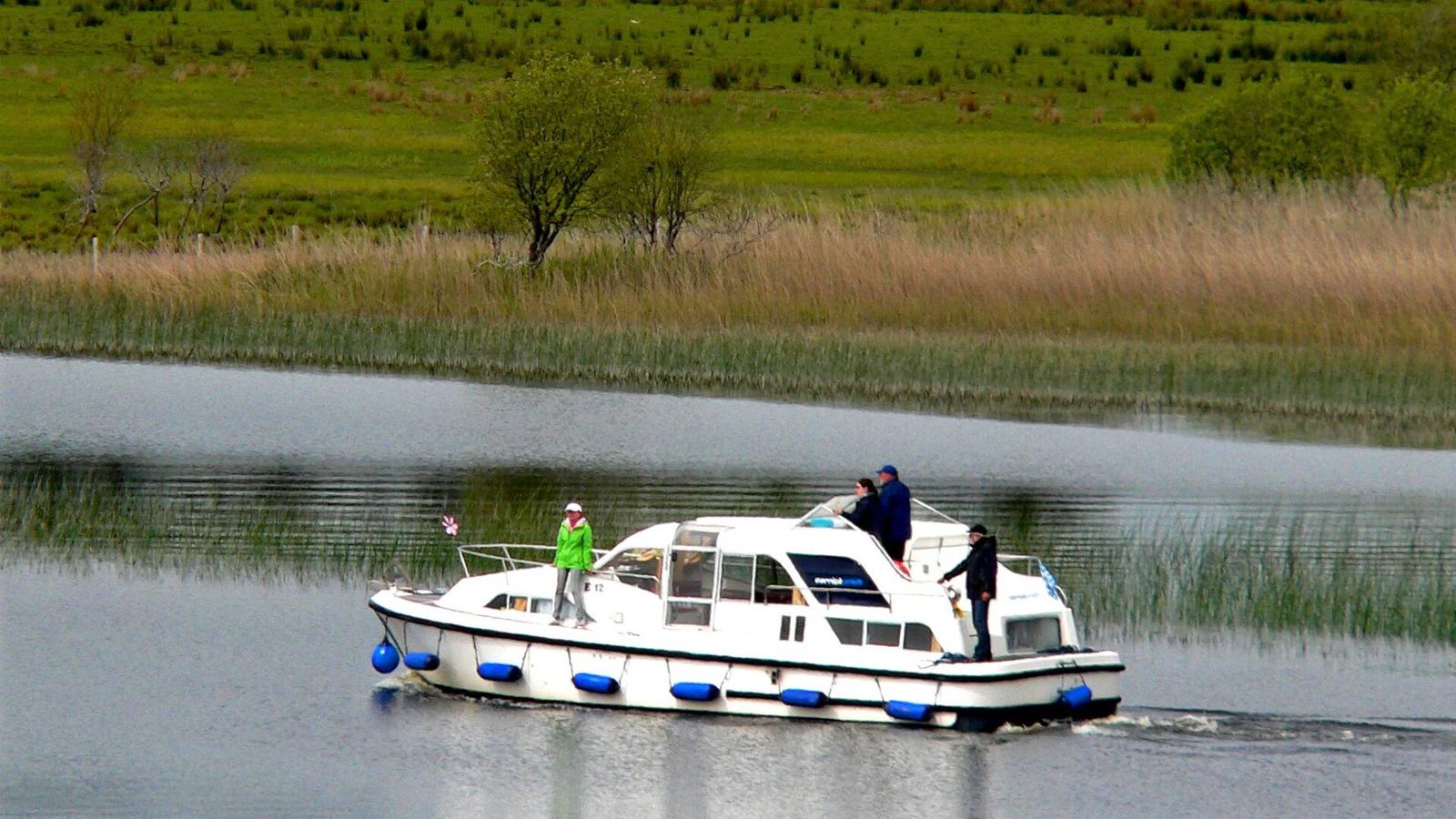
A practical, unhurried guide to exploring Ireland’s River Shannon in small pleasure boats, with official navigation information, lock etiquette and the seasonal mooring rules that matter.
A river that rewards shorter journeys
The River Shannon is often imagined as one continuous holiday, a long waterborne journey passing through the middle of Ireland. In practice, it can be more rewarding for owners and hirers of modest pleasure craft to treat the navigation as a collection of manageable local cruising areas. A morning on a sheltered stretch, lunch ashore and a quiet return before the light fades may reveal more than an ambitious itinerary designed around mileage. Waterways Ireland describes a 238-kilometre Shannon Navigation, with eleven locks, three major lakes, numerous waterside settlements and public moorings. Those figures are a measure of choice, not a challenge to cover it all. For a boat below twelve metres, the essential questions are how far to travel safely today, where it can berth legally and what the river is doing at the next lock or lake.
The Shannon is not one kind of water
The character of the route changes repeatedly. Narrower reaches can feel intimate, with low banks, reeds and slow bends, but a lake section introduces an entirely different calculation. Wind has room to build waves over open water, and a boat that feels comfortable in a canal-like channel may be much less pleasant when the surface becomes steep and confused. The prudent small-boat skipper treats a lake crossing as a weather-dependent passage rather than an inevitable stage in the schedule. Look at the forecast and actual conditions at both ends, establish an alternative sheltered destination and carry enough fuel for a diversion. Local navigation markers and charts deserve close attention. Do not assume the deepest-looking water is the marked channel, and resist the temptation to shortcut around islands merely because the shore appears close.
Select a base before choosing the day
A useful first decision is whether to operate from a familiar marina, an established boat-hire base or a public stopping place whose facilities are confirmed in advance. Carrick-on-Shannon, Athlone and other towns along the route give visitors reasons to go ashore, but their suitability as departure points depends on boat type, trailer access and available berthing at the time. Before committing, establish how the craft gets into the water, whether there is overnight parking, what services can be used and how long the local mooring allows. A hired cruiser may have an established operator briefing and berth arrangements. A trailered boat may need a different plan entirely. Plot one modest outward destination and one fallback, leaving enough daylight for the return. The aim is a pleasurable afternoon, not a race against a closing lock.
Locks set the rhythm of travel
Many Shannon locks are attended, which makes passage approachable to newcomers, but an attendant does not remove responsibility from the helm. Slow down well before the approach and wait where instructed, clear of the gates and the manoeuvring space. Prepare suitable lines, fenders and a crew plan before entering; never improvise a knot while the vessel is moving into a chamber. Follow the lock-keeper’s directions and avoid allowing passengers to put hands between the hull and walls. Small open boats in particular must be aware of turbulent water and differing freeboard. A lock delay is a normal part of river travel. Check the operating season and daily opening arrangements directly with Waterways Ireland, because the schedule is not a permanently fixed promise. If the passage cannot be made comfortably, change the day's route.
Mooring is a permission, not a permanent space
The navigation offers public moorings, but they are shared facilities governed by time limits and local instructions. Waterways Ireland states that between 1 April and 31 October a boat may normally remain at a public mooring for up to five consecutive days or seven days in a month. That is a maximum, not a reason to occupy a convenient berth longer than necessary when other boats are arriving. Overnight users should also check what is permitted at the particular harbour. Winter arrangements are different: Waterways Ireland issued a specific notice for the November 2026 to March 2027 period. A visitor should therefore read the current notice rather than applying a summer rule automatically in colder months. Never tie up to emergency equipment, a lock approach or a private landing simply because a cleat is visible.
Speed and wash matter more than arrival time
The practical meaning of responsible speed is not just keeping below a posted figure. A boat can travel at a nominally permissible speed and still make troublesome wash beside a moored cruiser, rowing boat or fragile bank. Reduce power early near bridges, jetties, locks, narrow passages and occupied moorings. The posted restrictions vary by section, so consult the official Shannon guidance and signs rather than assuming a single river-wide limit. In a small motorboat it is easy to increase speed when the channel looks empty; that is precisely when a hidden bend or another vessel's blind spot can become a problem. Watch astern to understand the wake the hull actually produces. The most considerate skipper makes the slower approach a habit, not a reaction when someone waves from the bank.
Sharing water with different craft
You will encounter hire cruisers, private motorboats, rowing crews, anglers and paddlers, and they move with very different expectations. Give an inexperienced-looking crew time and room rather than crowding their stern to encourage a faster passage. A rowing boat may manoeuvre unexpectedly to avoid a shallow area, and an angler may have lines extending further into a channel than you first realise. Sound signals and the collision-prevention rules still matter; courtesy cannot replace a proper lookout. If overtaking is necessary, choose a wide reach and pass at a speed that leaves no damaging wash. At crowded visitor berths, establish whether a space is suitable for the length and freeboard of your own craft before trying to squeeze in. Patient handling helps keep a popular waterway welcoming.
What to carry on a small Shannon boat
The exact equipment list depends on whether the boat is open, cabin-equipped, hired or privately owned, but every trip needs a safety plan proportionate to exposure. Correctly fitted lifejackets, working navigation lights where required, communication, a reliable means of signalling distress, first-aid supplies and suitable mooring lines belong in the conversation before departure. A charged phone is useful but not a substitute for another communication method when reception or battery life is uncertain. Bring waterproof clothing even for a seemingly fine morning, since a slow return against wind and rain is much colder than a quick walk on shore. Confirm the engine's cooling and fuel systems, inspect the propeller and check the battery. A small anchor and appropriate ground tackle can be important, but should be selected for the particular craft and bottom conditions.
A day afloat is about the stops
Build a good itinerary around a reachable town, landscape or heritage stop instead of a destination that looks impressive only on a map. One possibility is a gentle cruise near a familiar Shannon town, with coffee after securing the boat and time to walk the quay. Another is a carefully planned passage past the river landscape around Clonmacnoise, where the archaeological setting changes the way the water is experienced. Neither suggestion removes the need to confirm the correct landing place and local visitor arrangements; a scenic view from the river does not necessarily imply public shore access. Avoid turning every pause into a tight arrival time. Leave an hour of slack for a lock, a shower or a leisurely conversation on the bank. The characteristic pleasure here is having nowhere urgent to be.
Respect seasonal and live navigation notices
The river is managed, but it is not static. Bridges can have operational restrictions, locks may close for maintenance and navigation warnings can follow high flows or engineering work. Waterways Ireland publishes notices affecting specific locations, and these deserve a check both when planning and shortly before departure. The authority's November 2026 winter-mooring notice is a good example of why an old blog post cannot be treated as current operating information. The same principle applies to current levels and weather. When a waterway is in flood or a strong stream is running, the safe response may be to postpone the outing altogether. Some areas, particularly around major infrastructure, need specialised local advice. A planned leisure day does not justify entering an unfamiliar hazardous reach.
Keeping the riverside enjoyable
A low-impact Shannon journey involves more than observing formal rules. Use recognised facilities for rubbish, sewage and fuel; even a small spill becomes an immediate problem in confined water. Avoid idling beside reed beds for prolonged periods, keep music at a level that leaves the river peaceful for others and do not create unnecessary wash against sensitive margins. A photograph is best made after the boat has been safely secured or while another qualified person remains on the helm, not during a difficult approach. Local businesses benefit from careful visitors who stop, eat and explore without monopolising waterfront facilities. The river's towns and landscapes are the destination; the boat is the way to experience them thoughtfully.
The right first Shannon itinerary
For a first visit, identify a local cruising area with a dependable launch or hire base, check the official chart and notices, choose one realistic stop and set a return deadline with a safety margin. Confirm whether the planned section includes a lock and whether its operating hours fit; check the weather not only at departure but over any exposed lake. Brief everyone aboard on lifejackets, movement during mooring and what to do if the helm needs help. Carry the relevant contact details and tell someone ashore your route. If conditions are poor, a shorter river reach can still offer a memorable outing. The best Shannon day is not the one with the most miles. It is the one that leaves the crew wanting another day on the water.
Sources and photograph credit
Navigation, lock and mooring guidance: Waterways Ireland, Shannon Navigation boater information. Seasonal update: Waterways Ireland Marine Notice 107 of 2026. Photograph: Joseph Mischyshyn, River Shannon near Clonmacnoise, CC BY-SA 2.0; resized without cropping.

Source
Waterways Ireland