
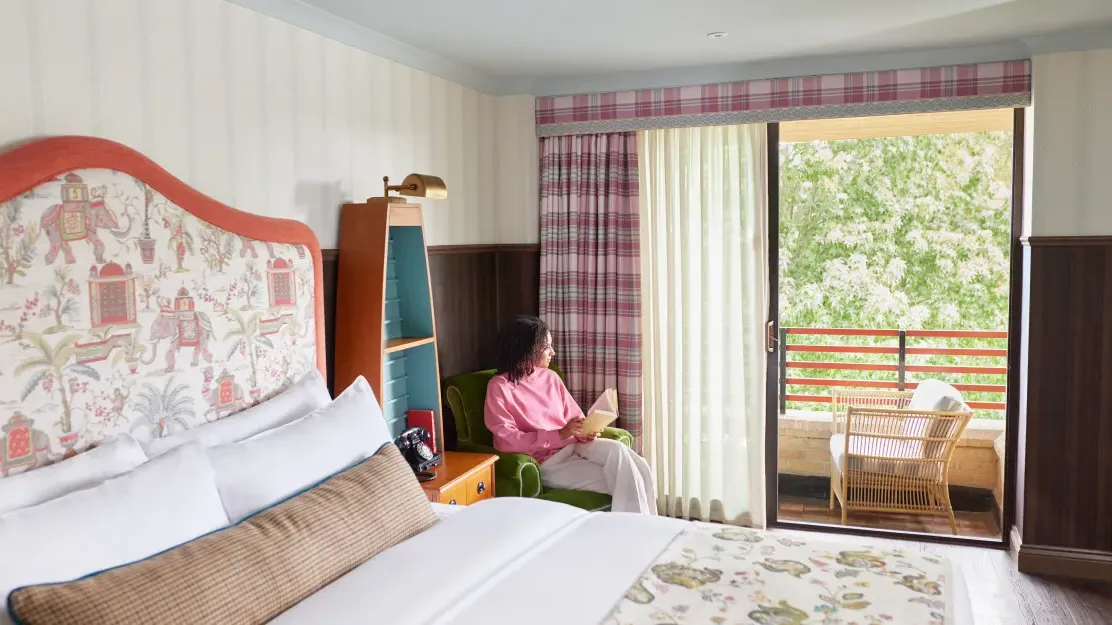
Rest and quiet are becoming reasons to travel, with more people choosing nature, solo time and low-noise accommodation over packed itineraries.
Hilton describes a growing interest in ‘hushpitality’, where rest, nature, quieter accommodation and occasional solo time become central reasons for taking a trip. The trend is relevant to ordinary leisure travel because it focuses on comfort, flexibility and experiences that people can realistically build into a weekend or longer holiday.
Rest is becoming the purpose of the trip
More travellers want holidays that help them recharge instead of returning home exhausted from an overfilled itinerary. This is useful because leisure trips are easier to enjoy when travellers understand the practical trade-offs before they arrive. It also leaves more room to change the day around weather, energy levels and the interests of different people travelling together.
That makes empty time something worth protecting rather than a gap that must always be filled. For LBG readers, the important point is not extravagance but usability. A holiday generally feels better when simple comforts, realistic timing and enough unscheduled space allow the destination itself to remain the main reason for travelling.
Nature makes quiet easier to find
Coasts, rivers, forests and open countryside are increasingly linked with the kind of recovery travellers want from time away. This is useful because leisure trips are easier to enjoy when travellers understand the practical trade-offs before they arrive. It also leaves more room to change the day around weather, energy levels and the interests of different people travelling together.
Natural sound can provide a very different atmosphere from traffic, notifications and crowded indoor spaces. For LBG readers, the important point is not extravagance but usability. A holiday generally feels better when simple comforts, realistic timing and enough unscheduled space allow the destination itself to remain the main reason for travelling.
Solo time is becoming more acceptable
Some travellers are adding solo days or short breaks alone to read, walk and choose their own pace. This is useful because leisure trips are easier to enjoy when travellers understand the practical trade-offs before they arrive. It also leaves more room to change the day around weather, energy levels and the interests of different people travelling together.
Even during a shared holiday, a few hours apart can help everyone return to group time feeling fresher. For LBG readers, the important point is not extravagance but usability. A holiday generally feels better when simple comforts, realistic timing and enough unscheduled space allow the destination itself to remain the main reason for travelling.
Hotels are paying more attention to sleep
Sound control, lighting, bedding and digital tools that reduce disturbance are becoming more important parts of accommodation. This is useful because leisure trips are easier to enjoy when travellers understand the practical trade-offs before they arrive. It also leaves more room to change the day around weather, energy levels and the interests of different people travelling together.
These details may be less visible than a dramatic lobby, but they can decide whether guests actually rest. For LBG readers, the important point is not extravagance but usability. A holiday generally feels better when simple comforts, realistic timing and enough unscheduled space allow the destination itself to remain the main reason for travelling.
Official sources: stories.hilton.com.
Source
stories.hilton.com