
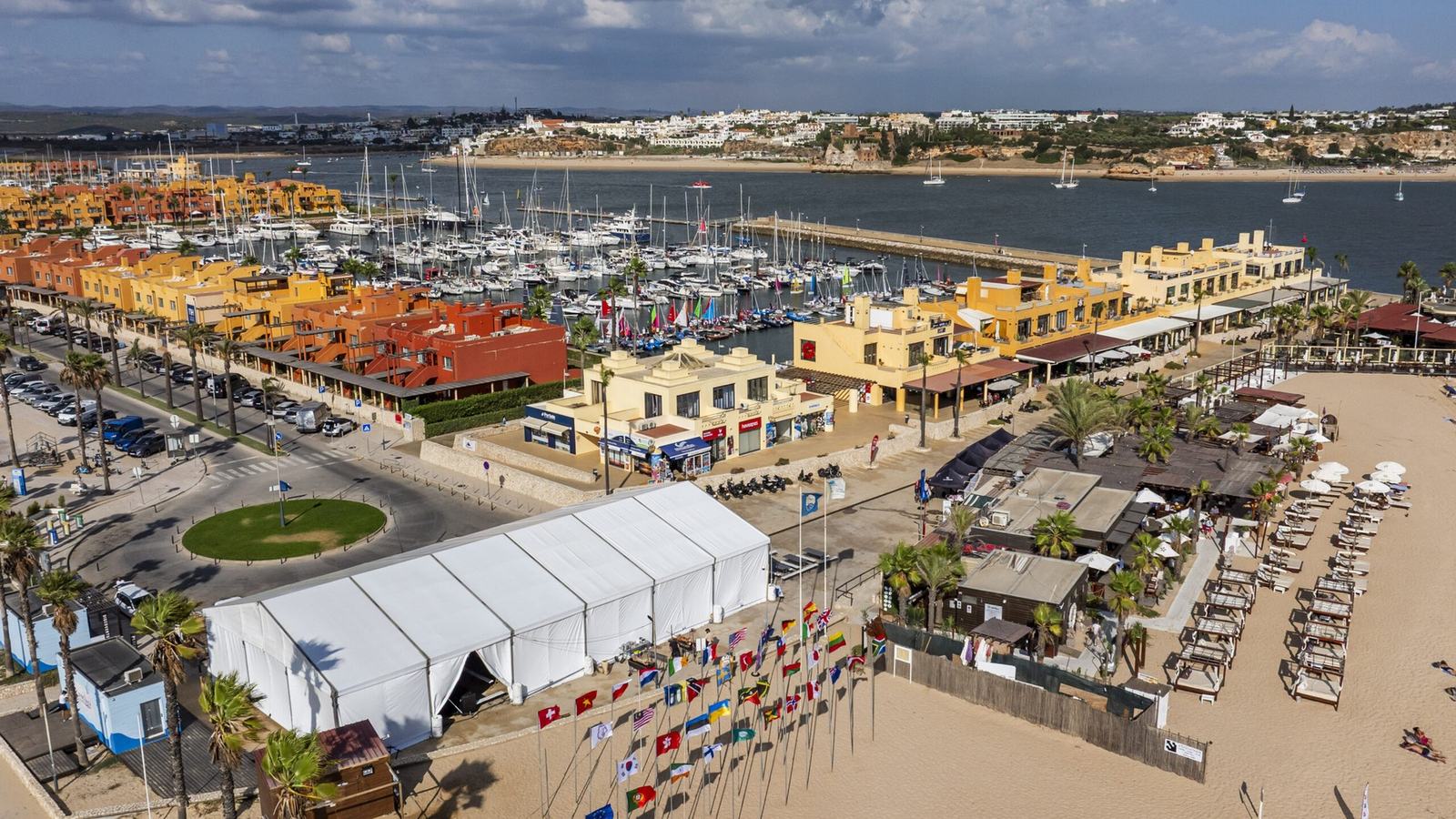
Portimão is exploring a new international para-inclusive sailing training and development centre as a longer-term legacy of the 2026 World Sailing Inclusion Championships.
A championship leaves plans for the future
Portimão is considering a permanent para-inclusive sailing training and development centre following the October 2026 World Sailing Inclusion Championships. The Portuguese coastal city hosted six days of competition involving athletes from forty countries.
World Sailing announced the proposal on 13 October, describing an ambition to build lasting opportunities beyond a one-off event. The centre remains a plan rather than a completed facility with an established annual timetable.
An international meeting place for athletes
The proposed centre could support sailors who need adapted equipment, training programmes and suitable coaching. Bringing expertise together in one destination may help national organisations develop their own inclusive pathways.
The event itself involved nine disciplines, demonstrating that inclusive racing is not confined to a single style of boat. Any future centre will need to account for different technical and practical requirements.
Sport can help build local skills
Accessible sailing depends on more than specialist boats; trained volunteers, instructors and suitable shore facilities are also important. A regular training programme could create opportunities for local clubs to build knowledge and welcome a wider range of participants.
Coaching quality and accessibility will determine how effectively that ambition translates into everyday activity. A centre's location alone cannot guarantee participation.
Portimão combines sport and waterfront life
Portimão's marina and coastal setting make it a familiar sailing location in southern Portugal. The championship illustrated how a local harbour can host international sport while connecting participants with the wider town.
Visitors considering a recreational sailing holiday still need to evaluate weather, access and the services available to their particular group. The planned centre is a sports-development initiative, not a new charter marina.
Next steps require confirmed details
World Sailing and its partners are presenting the plan as part of their commitment to inclusion and the sport's future. Further announcements will be necessary to establish funding, facilities and operational dates.
People interested in participating can follow updates from World Sailing and local Portuguese sailing organisations. The lasting value will depend on how many new sailors are able to use the opportunities in practice.
A permanent centre needs more than a venue
Transforming a successful regatta into a year-round development programme means providing access to boats, skilled instructors and reliable shore facilities. Training must remain possible when competition sponsors have left and international visitors have returned home. A permanent centre also needs a realistic maintenance plan for specialist craft that may require different equipment from ordinary school dinghies.
Programmes can be organised at several levels, from a first supervised experience to structured development for national teams. The balance matters because a centre intended only for elite competitors would not necessarily improve ordinary community access. A meaningful legacy should create opportunities for local residents as well as athletes visiting Portimão for a short training camp.
Different sailors need different adaptations
Para-inclusive sailing covers a wide range of abilities and approaches. Some sailors benefit from modified seating and accessible controls, while others need different ways of receiving navigation information or boarding assistance. An international centre must be prepared to review these requirements individually instead of choosing one standard arrangement and expecting every athlete to fit it.
Coaches should also understand the types of boats used in each programme. Techniques suitable for a small one-person keelboat will differ from the teamwork required on an RS21 or another crewed craft. Sharing expertise across classes may be valuable, but safe instruction depends on familiarity with the particular equipment.
A useful training environment includes local conditions
Portimão has established maritime facilities and access to waters that can offer varied training experiences. Coaches may be able to use sheltered areas for technical exercises and more open water when conditions and ability allow. However, the existence of a marina does not mean every part of the coast is suitable for every training session.
Planning needs to take account of weather, sea state and the ability to return a vessel and participant safely to shore. A long-term programme can teach athletes to recognise when conditions are appropriate, not merely reward them for enduring difficult weather. That judgement is part of sailing skill at every level.
Training future instructors is part of the legacy
An inclusive centre could support the development of new coaches and volunteers who later work in their own communities. Practical education might cover boarding arrangements, accessible communication, rescue procedures and how to involve students in decisions about their progress. These skills require supervised experience, not just a short written guide.
Partnerships with existing sailing clubs can help spread lessons beyond a single high-profile location. An instructor who gains confidence using adapted equipment may make a significant difference when returning to a smaller centre with fewer resources. The challenge is to turn specialist knowledge into support that can be maintained locally.
How to judge the proposal as it develops
The Portimão initiative remains a plan until financing, facilities, management and an operating calendar are confirmed. Announcements about ambition should be distinguished from the opening of an actual training programme. Prospective participants will need information about costs, accessibility, equipment, coaching and whether visitors from other countries may attend.
A useful measure of success would be sustained access and progression across several seasons. The World Sailing Inclusion Championships demonstrated international interest; a permanent centre would need to convert that interest into practical opportunities. Local participation, trained staff and a reliable programme will matter more in the long term than a ceremony announcing the project.
Accessibility planning extends to accommodation, transport and the surrounding town when a training centre attracts participants from abroad. An athlete may be able to use a specialist boat but still face barriers reaching a suitable hotel or moving between the marina and shore facilities. Coordinated practical information would make visiting programmes more effective.
An international programme could also encourage exchanges among national sailing associations. Coaches who encounter different training methods may find ideas that can be adapted to their local equipment and facilities. Such exchanges are most useful when the lessons are documented and shared openly rather than remaining with the small group that attended a single camp.
Evaluating any future centre will require accurate figures rather than promotional estimates. Organisers could report how many sessions were delivered, whether local participants returned regularly and what adaptations were needed. Those measures would help supporters judge whether the intended legacy is becoming a sustainable service for sailors.
Source
World Sailing