
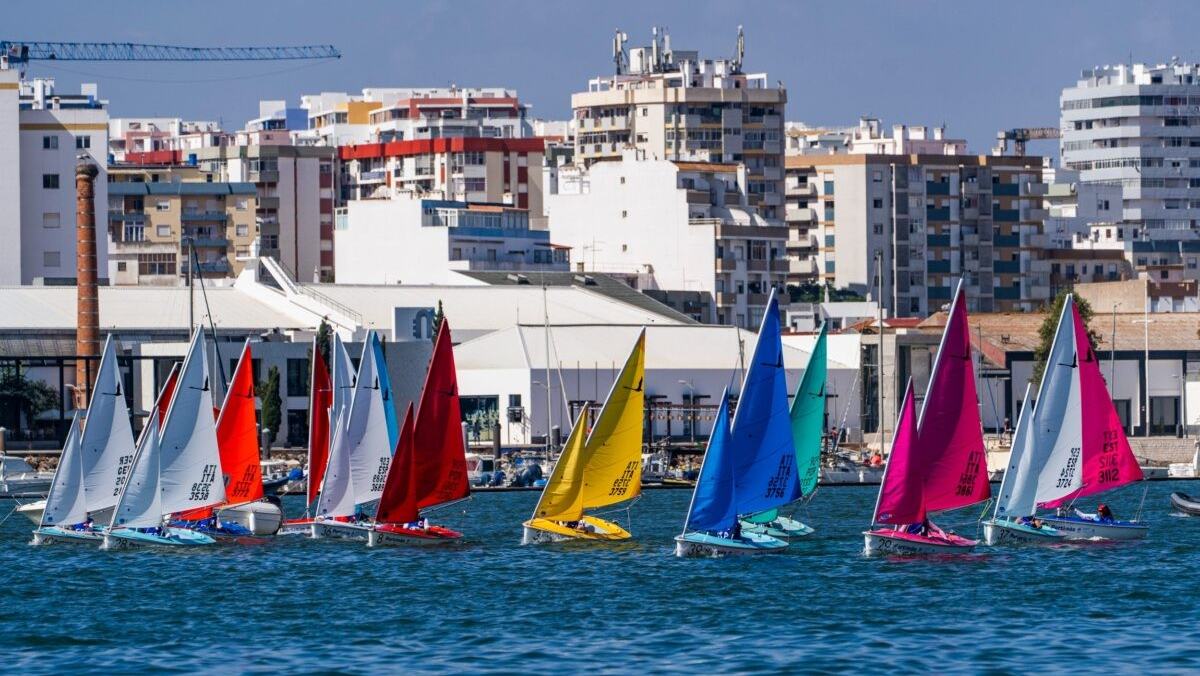
The 2026 World Sailing Inclusion Championships in Portimão brought 222 athletes from 40 nations together, showing how adapted sailing can open access to boating for people with diverse abilities.
A Portuguese sailing event with a purpose beyond the podium
Portimão, on Portugal’s southern coast, hosted the second World Sailing Inclusion Championships from 5 to 10 October 2026. The event brought together 222 competitors from 40 nations, creating an unusually broad meeting point for people who love sailing but may not always find conventional boating programmes accessible. For a leisure boater, the value of the event extends well beyond the racing results.
World Sailing organised the championship across a range of inclusive disciplines, enabling competitors with different physical, visual or intellectual impairments to participate in an international sporting environment. The programme followed the inaugural championship in Oman in 2025 and was supported locally by Vela Solidária, the municipality of Portimão and the Portuguese Sailing Federation, with backing from the America’s Cup.
The competition took place in a working coastal destination that is also familiar to holidaymakers, visiting yachts and sailing schools. That setting helps demonstrate that inclusive participation need not be restricted to specialist facilities far from ordinary boating communities. Well-planned access, suitable equipment and trained helpers can make the same waterfront valuable to a much wider range of people.
Getting afloat can begin with a simple first experience
One of the competitors highlighted by World Sailing was Jamaica’s Andre Daley, who only began sailing in June 2026. After an accident while scuba diving in 2025, Daley joined an inclusive development programme in Antigua, learning the parts of the boat and the basics of handling it before attending the world championship. His experience illustrates how quickly a new interest can develop when the right instruction becomes available.
For families who have considered introducing a relative to sailing, the first step need not involve an international competition or the purchase of a yacht. A local sailing club with experienced instructors and a properly equipped boat can provide a supervised introduction, allowing a newcomer to understand steering, sails, wind direction and the sensation of moving through the water.
The lesson for somebody considering a first session is to ask specific practical questions in advance. Does the centre have suitable access to the pontoon, trained assistants and craft appropriate to the participant’s mobility or other needs? How are transfers arranged, and what happens if the weather changes? Good answers can make the introduction safer and more enjoyable for the entire group.
Different boats create different kinds of opportunity
The Portimão programme encompassed multiple kinds of racing, from single-person Hansa 303 boats and the two-person RS Venture Connect to the 2.4mR technical keelboat class. These designs are not all interchangeable, and each has different handling and access characteristics. The broad selection illustrates that inclusive sailing is an approach to participation rather than one standard boat.
For a developing sailor, smaller purpose-built craft can provide immediate feedback through the tiller and sails. Other boats offer a crew-based experience in which teamwork and communication are central. Choosing a class depends on the participant’s needs, confidence, local training availability and whether the longer-term goal is relaxed sailing or competitive racing.
Inclusive wingfoiling also appeared in the championship programme, demonstrating interest in extending opportunities beyond familiar dinghy and keelboat categories. Faster or more physically demanding disciplines require particular assessment and specialist teaching. The attraction is that sailors may be able to explore new activities over time instead of remaining confined to the first boat or format they encountered.
Club culture can matter as much as technical equipment
An important part of an inclusive sailing programme is the atmosphere around the water. Volunteers who listen, instructors who adapt explanations and fellow sailors who welcome newcomers can make an enormous difference to whether somebody wants to return. The championship combined experienced international competitors with people much earlier in their journey, illustrating this wider community aspect.
Boating clubs may already have accessible parking, suitable changing areas or helpers who can assist with launching, but the complete route from arrival to boarding deserves careful attention. A boat can be expertly adapted and still be difficult to use if the pontoon or facilities create unnecessary barriers. Asking participants what they need is generally more useful than making assumptions for them.
For an existing recreational boater, there are opportunities to support these activities without becoming a specialist instructor. Clubs often benefit from members willing to help with transport, event organisation and ordinary shoreside tasks. Meaningful participation should always remain under the direction of people who understand the equipment, training and safeguarding requirements.
What leisure boaters can take from Portimão
The headline figure of 222 athletes shows the international reach of the 2026 event, but the more lasting message is about choice. People who might previously have been told that sailing was too difficult can sometimes experience it through an adapted programme that treats their ambitions seriously and uses appropriate professional support.
The championships concluded on 10 October, so prospective newcomers should not regard the Portimão event as a forthcoming public sailing course. Instead, they can use the organisers’ example to find local inclusive or accessible sailing programmes that offer trial sessions and continuing instruction. World Sailing’s development initiatives and national sailing bodies can help identify the right starting point.
For families planning coastal holidays, it may be worth researching accessible sailing opportunities alongside beaches, walking routes and traditional excursions. A supervised hour on the water can become a memorable part of the trip, while a regular programme may develop into a lifelong interest. Portimão shows that the appeal of wind, water and learning a new skill can be shared by a remarkably diverse group.
Source
World Sailing