
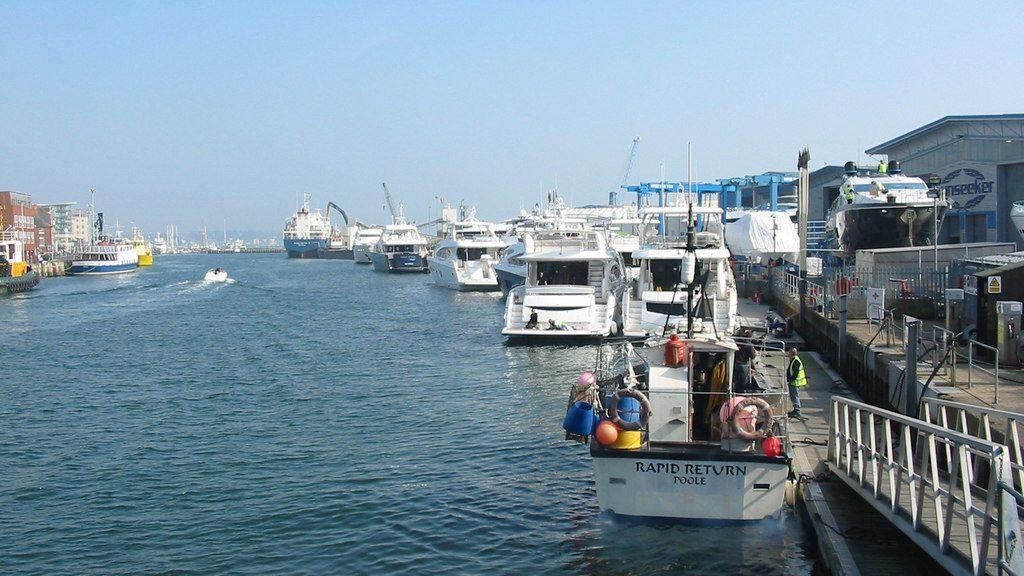
Explore Poole Harbour by small boat with a sensible tidal plan, harbour dues, a Poole Quay stop, views of Brownsea Island and wildlife-minded cruising.
Why this harbour rewards small boats
Poole Harbour can make a weekend feel expansive without requiring a long coastal passage. Its active quay, island views and sheltered-looking channels reward crews in dayboats, sailing dinghies, modest motor cruisers and trailer boats. The attraction is variety rather than distance: a short crossing may change the view from a working waterfront to a quiet shoreline. Yet this is not a boating playground without boundaries. Shipping channels, drying banks, commercial traffic, moorings and protected habitats all determine where a boat may sensibly go. The Poole Harbour Commissioners' own Harbour and Marina Guide should be an essential reference, alongside current charts and notices to mariners. Think of the trip as a set of carefully chosen experiences, not a race to tick off every inlet. Good planning produces more time to admire the scenery and less time resolving avoidable problems.
Match the circuit to the craft
A shallow-draft sailing dinghy and a small cabin boat can have very different weekends on the same water. The dinghy might use a sheltered launch with its crew returning home the same evening; a deeper boat needs enough water along its whole route and a confirmed berth if staying overnight. An outboard runabout may have useful range but little protection when the wind rises. List the vessel's loaded draft, practical fuel range, reliable engine and communications arrangements before drawing a line on the chart. Keep a short alternative route if tide or wind makes the preferred one uncomfortable. The plan should leave enough daylight for a calm return. A memorable weekend for a family is usually built from two manageable passages and one pleasant stop, not a long itinerary that makes every change of conditions feel like failure.
Pay the correct harbour dues
The Harbour Commissioners state that harbour dues are payable by resident and visiting leisure craft using the harbour. Their information explains options for day, week, month and year payments, available through official channels. A visiting owner should check the current requirements and fees rather than assuming that launching from a nearby slip removes the obligation. Harbour dues, however, are not a reservation for a pontoon or visitor mooring. A separate booking may be needed with a marina or boat haven, and that booking may have arrival windows, size limits and conditions. Confirm both parts well ahead of a busy weekend. Have the payment record and berth contact details on board where they can be found easily. Sorting out paperwork at home is far more pleasant than doing it while circling near a crowded fairway.
Tides draw the real map
The most important illustration of Poole Harbour is not a photograph but the tide table read alongside a current navigation chart. Open water at high tide may cover mudflats and shallow banks that become decisive obstacles a few hours later. Respect the marked channels, charted depths and any locally announced changes. Calculate a depth margin for the boat's actual loaded draft and the expected height of tide. Check the slipway's usable hours if launching on a trailer: arriving after a delayed drive may remove the comfortable recovery window. Allow for the tide to affect current direction and the feel of wind-driven chop. Never treat a route spotted on a tourist map, a social-media video or another boat's track as pilotage advice. If the depth or timing margin is narrow, postpone that leg and choose water with more room.
Leave space for commercial traffic
The harbour is a working port. Ferries, harbour-service craft and other commercial vessels operate to practical schedules that are not arranged around a leisure boat's sightseeing. Before entering busy water, review the current harbour directions and identify the safe crossing or transit plan on the chart. Keep a continuous lookout for vessels approaching from behind as well as those ahead. Do not slow to take photographs in an active channel or attempt to pass close to large craft for a better view. Reduce wake near pontoons and people handling lines, and give sailing and paddling craft a wide margin without creating another hazard. A passenger who knows how to identify a buoy and report a vessel's position can be a valuable lookout. Good seamanship in a crowded harbour is mostly about making intentions clear and avoiding surprises.
Brownsea is a view, not an automatic landing
Brownsea Island gives a Poole outing its distinctive landscape, with wooded shoreline set against open water and the surrounding channels. It is tempting to assume that any attractive beach is a convenient place to land, but visitor access, wildlife protection and local rules must be checked with the island operator. A safe scenic passage at an appropriate distance may be the better choice, especially if the boat has a deep keel or the crew is inexperienced with beaches. Binoculars can bring distant birdlife into view without driving into sensitive habitat. Remind children that seeing an island from the water can be the adventure itself. A thoughtful skipper avoids anchoring casually across protected seabeds or attempting to step ashore on a tide that could strand the boat. Do not turn a gentle excursion into a landing challenge.
A civilized stop at Poole Quay
Part of the pleasure is arriving at Poole Quay after a few hours on the water. The waterfront offers cafés and walking routes, and it adds a holiday atmosphere quite different from the cockpit. But the ease of a shore visit depends on permission to use a berth or landing place. Contact the relevant visitor facility before the trip and ask about short stays, visitor charges, vessel size and access. Prepare fenders and lines before the final approach, with the crew's jobs agreed in advance. Keep the helm slow and the communication calm. If the allocated space is not available, use a preselected alternative rather than tying to a working quay or taking an unattended private mooring. Pack valuables, rubbish and warm clothing in one carry bag so the shore break does not leave the boat cluttered or exposed.
Sandbanks and different small-craft rules
The edges of the harbour bring together dinghies, paddleboards, windsurfers, motorboats and personal watercraft. Their needs and permissions are not interchangeable. BCP Council identifies Whitley Lake at Sandbanks as an area for boardsailing that becomes dry at low water, so it cannot be treated as a deep-water shortcut. The Council and Harbour Commissioners also describe special operating arrangements and permit requirements for personal watercraft, including a designated area north of Brownsea Island. A skipper should read the rules for the precise craft being used and check the current local map. The sensible general principle is simple: keep clear of areas set aside for another activity, slow before crossing the wake of a training craft and never assume that permission for one type of vessel applies to all.
A quieter encounter with harbour wildlife
Mudflats and low-lying islands support a remarkable range of birdlife and other habitats. The harbour's nature interest is part of its appeal, but it does not entitle visitors to steer into every creek. Follow seasonal notices, avoid wildlife-sensitive zones and never repeatedly approach feeding or resting birds to get a photograph. Choose anchoring places with appropriate depth and seabed, where anchoring is permitted, rather than dropping the hook in the first calm-looking patch. Slow travel is an advantage: passengers can notice shifting light, the shape of the shore and the movement of birds without repeatedly changing course. Take all litter back ashore and avoid washing contaminants overboard. The best nature outing is one in which the crew returns with memories and the wildlife continues its ordinary day undisturbed.
Weather matters inside the harbour
Although the surrounding coast may provide a sense of shelter, wide stretches of water can still develop short, tiring chop when the breeze strengthens. Wind against tidal flow can worsen conditions for an open boat. Examine the marine forecast and have a realistic go-or-no-go limit based on the boat and the least experienced passenger. A family may become cold, wet or anxious well before the skipper feels uncomfortable. Properly fitted lifejackets, warm spare layers and a means of communicating a problem belong on board even for a short trip. Plan an early return if the breeze is increasing, and ensure the boat has a safe refuge that can actually be reached at the expected tide. When the forecast does not suit an island crossing, a waterfront walk ashore remains a perfectly valid weekend activity.
Launch and recovery without the rush
Owners towing a boat need a launch plan as careful as the passage itself. Check slipway availability, access fees, depth at the planned times, trailer parking and any operating restrictions. Prepare the boat away from the ramp so other users are not delayed while you check the drain plug, rig lines or load equipment. Agree who handles the painter and who moves the trailer. Before setting off, inspect fuel, engine cooling, battery state and safety equipment. On returning, leave time for the tidal window, do not rush a recovery in front of another waiting driver and check the hull for damage or trapped debris. Launching is a shared facility, not a race. If the chosen ramp cannot accommodate the boat comfortably at the expected water level, adjust the date or use a different authorised point.
A flexible two-day plan
On the first day, concentrate on arrival, a straightforward passage and one prearranged visitor stop. Use the time to learn the harbour's navigation marks, traffic pattern and how the craft handles in the current. The afternoon can be a gentle island-viewing circuit where depths and local restrictions permit, followed by a return before daylight or energy runs low. On day two, consider a different sheltered leg or a short waterside exploration rather than repeating a long crossing. Hold a shore-only alternative in reserve if the weather changes. This is a planning rhythm, not a track to follow: no article can replace today's charts, notices, tide figures and harbour directions. The trip succeeds when everyone aboard feels unhurried, comfortable and ready to come back, rather than exhausted by the number of places visited.
The essentials of a safe small-boat weekend
The useful kit is remarkably ordinary: correctly sized lifejackets for every crew member, adequate communications, an anchor suitable for the seabed, reliable navigation information, a first-aid kit, drinking water and enough warm clothing. Include a realistic fuel reserve and check that the engine starts and runs properly before departure. Tell a responsible person ashore the general plan and expected return time. Keep loose picnic gear out of the cockpit's working areas. If children are aboard, give them clear seating and handhold instructions before moving off. Know how to get local assistance and what information to give if a problem occurs. The attraction of Poole is that even a small, simple boat can provide a rich weekend; the obligation is to treat its limited shelter, depth and endurance honestly.
A memorable measure of distance
Poole Harbour is especially rewarding for crews who travel at a pace suited to the place. A few miles can contain the movement of the tide, the drama of a working port, a view of Brownsea and the contrast of a quayside meal. Its richness does not remove the need for discipline; rather, the rules and rhythms of the harbour shape how it can be enjoyed. Settle dues and berthing beforehand, choose a conservative route and be considerate of shipping, shore users and wildlife. Then allow enough empty time in the itinerary to notice the scenery. The best small-boat weekend is not measured by miles logged or the number of anchorages named. It is measured by a safe, comfortable return and the wish to spend another day there.
Sources and picture credit
Primary official guidance: Poole Harbour Commissioners. Further official references: reference 1; reference 2; reference 3.
Lead photograph: Clive Perrin / Wikimedia Commons, CC BY-SA 2.0. Image resized and recompressed for web publication; original licence retained.

Source
Poole Harbour Commissioners