
A small-boat guide to Finland’s Päijänne island national park, with Kelvenne’s sandy shores, safe crossings and responsible landings.
Finland's Päijänne National Park invites a different kind of boating holiday: a small craft moving between wooded islands, clear lake water and quiet places to step ashore. The national park includes Kelvenne, a distinctive esker island that gives the landscape a geological story as well as a beautiful shoreline. For a kayak or modest motorboat, the reward is a day built around the weather, natural scenery and careful observation. This guide uses Finland's official Metsähallitus visitor information as its reference and treats seasonal operating details as matters to check before launching.
An island national park made for slow travel
Päijänne National Park is unusual because many of its best-known landscapes are islands rather than mountain ridges or road-accessible forests. The state visitor service describes Kelvenne as one of Finland's notable esker islands, shaped by ancient glacial processes. Its long wooded shape and sandy shores help explain why a canoe, kayak or carefully handled small motorboat is such an appealing way to experience the area. The destination rewards patient observation more than a fast journey between marinas, and the shoreline itself is part of the attraction.
Lake Päijänne is a large inland waterway, not a sheltered village pond. A short-looking crossing can involve open water, wind-driven waves and traffic from other recreational craft. The calm of a forest-fringed bay offers no guarantee of the conditions outside. A visiting skipper needs to distinguish the protected national-park islands from surrounding lake communities, choose a departure point suited to the boat and check actual navigation information. The trip should be designed around the abilities of the people aboard rather than the number of attractive islands marked on a map.
Starting from an inhabited shoreline
Padasjoki is a useful name to recognise because the national-park information connects its guest harbour with routes into the area. The harbour provides a starting reference for checking launches, services and day-trip arrangements, although present berth availability, fees and seasonal opening hours should be confirmed directly. Travellers without their own boat may find local excursion or rental operators; those bringing a trailer should establish whether a particular waterfront is a public launch before assuming that a visible slipway can be used.
A sensible first trip begins with the distance to the intended island, not with the theoretical maximum range printed on a motor's brochure. Calculate time at a realistic cruising speed, allow a substantial reserve for wind and delays, and note alternatives if the original crossing becomes unsuitable. Paddlers need the same discipline with their own speed, energy and daylight. A family group should allow more time than an experienced solo kayaker, especially if the plan includes a beach picnic or a short nature walk after landing.
Choosing the craft that suits the route
A stable canoe can make a peaceful sheltered-water outing, while a kayak offers a different balance of handling, efficiency and weather protection. A small powered craft may open the islands to a crew that would not attempt a long paddle, but it also brings fuel planning, propeller hazards, engine noise and wake responsibility. The right choice depends on the forecast, water temperature, distance and skill of every passenger. A photograph of a perfect calm day cannot determine what is appropriate for another visit.
Check that the hull is suitable for the intended open-water section and that occupants understand what to do after a capsize or sudden immersion. Secure luggage, carry correctly fitted flotation equipment and keep a reliable means of calling for help accessible. For a motorboat, plan a reserve of fuel and know the recovery procedure if the engine stops well away from shore. For a kayak, spare warm clothing and competent self-rescue skills may matter more than the lightest possible packing list.
Kelvenne's shoreline and forest character
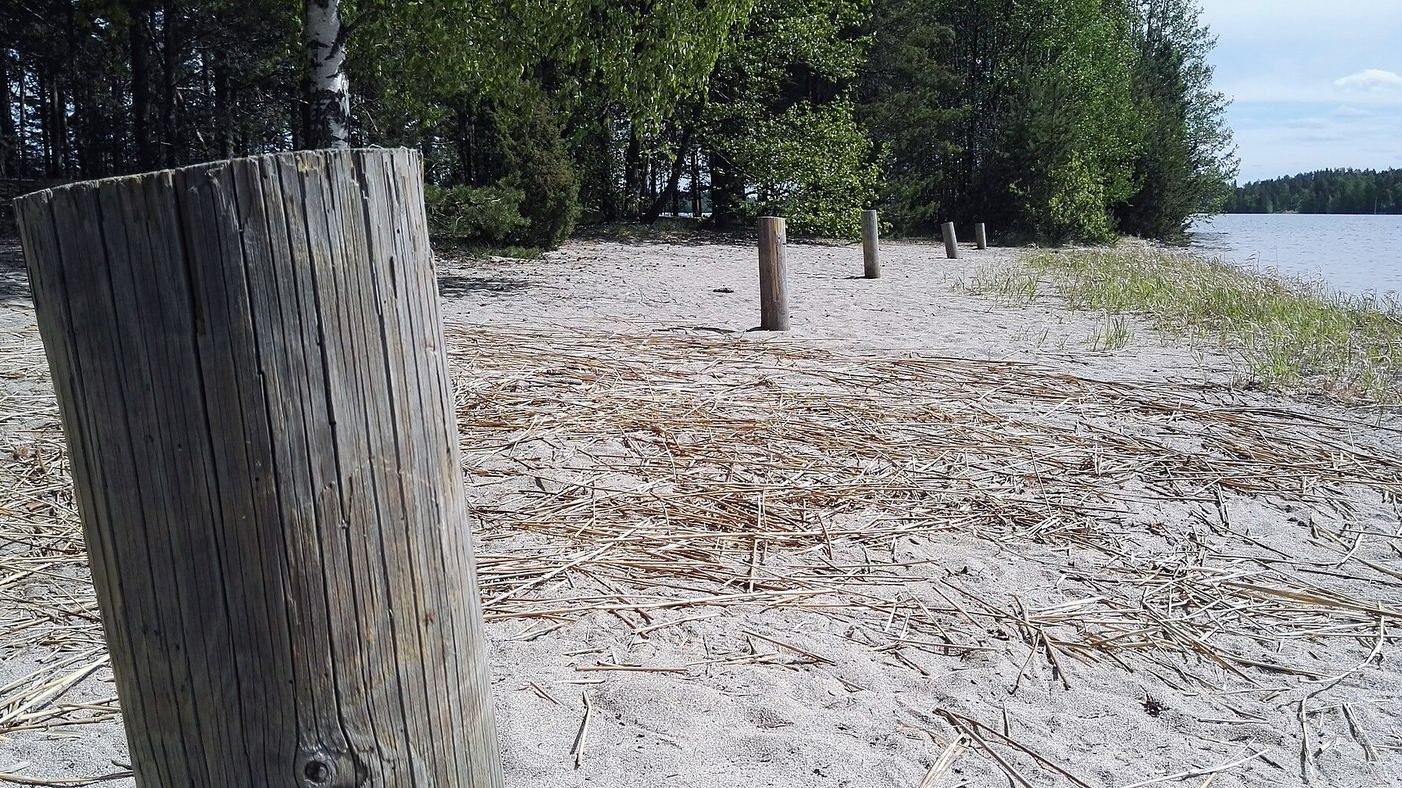
Kelvenne is celebrated for its elongated esker landscape, sandy stretches, clear water and forest paths. The park authority's nature guidance explains the geological features that give the island its character, while its visitor pages identify opportunities to walk in the area. A small boat offers a way to appreciate the island from the water before encountering it on foot. The experience is made of small contrasts: sunlit water, stones, pine shade and glimpses across the broad lake.
The pleasure of an island visit is often in slowing down once the boat is secure. Change into suitable shoes, take a short walk on an authorised route and return with enough daylight and energy for the passage back. Do not drag a heavy hull across fragile shore vegetation or treat every attractive beach as an unrestricted landing or campsite. Protected-area rules and possible seasonal restrictions exist to protect wildlife and habitat. The current Metsähallitus map and guidance should govern any decision to go ashore.
Wind, visibility and cold water
An inland lake can develop uncomfortable waves when wind travels across a long open reach. A sheltered inlet may conceal the conditions beyond a headland. Before leaving, read a local forecast for wind speed and direction, watch for changes later in the day and consider whether a shorter protected route would be more enjoyable. In Finland, water can remain cold even during sunny weather. Clothing and safety equipment should reflect possible immersion, not just the air temperature while sitting in a harbour.
Poor visibility deserves equal respect. Rain, low cloud and evening glare can make similar wooded islands difficult to identify and delay a return. Carry an appropriate chart or official boating map, a compass or suitable navigation instrument and a separate way to contact assistance. A charged telephone in a waterproof case is useful but should not be the only contingency. Tell someone ashore the planned route and expected return, and update the plan if the destination or weather changes.
Landing without damaging the national park
The national park's islands are protected because of their natural and geological value, not simply because they offer attractive picnic stops. Official Finnish guidance asks visitors to respect access restrictions and protect nesting birds and sensitive vegetation. Leave stones, flowers and other natural objects undisturbed, stay on designated routes where required and keep noise low near wildlife. Small craft can reach shorelines that walkers rarely visit, so the ability to land easily should come with a deliberate willingness to avoid unsuitable places.
Food can be part of the day's pleasure without leaving a trace. Pack meals in containers that return with the crew, secure wrappers before the wind catches them and avoid washing utensils directly in the lake. Do not assume an old stone fire ring makes a beach an approved campfire location. Check official fire restrictions and warnings, using only designated facilities where permitted. The simplest test of a successful visit is whether the next small boat finds the shore as clean and peaceful as the previous visitor did.
An island walk adds another dimension
Walking across Kelvenne reveals features that are less obvious from the cockpit, including forest slopes and traces of old lake shorelines. Metsähallitus describes marked trail opportunities in the national park, and the wider visitor information connects Padasjoki with the Päijänne–Ilves hiking route. These details suggest how a boating day can connect with a broader outdoor holiday, but they do not make every island route suitable for an inexperienced walker. Check the current trail map, any closures and the return distance.
A short walk is often enough for visitors whose main interest is the water. Carry drinking water, keep a layer handy and allow time for children or photographers to stop. If some people remain with the boat while others walk, agree a meeting point and a return time. An unfamiliar island is not a sensible place to navigate solely by following a remembered shoreline. The small discipline of using a marked path makes the relaxed part of the day genuinely relaxing.
Sharing the lake with other boaters
Päijänne attracts paddlers, sailors, motorboats and people fishing, all of whom may move at very different speeds. Pass others at a sensible distance and reduce wake near shorelines, beaches and small craft. A kayak may be difficult to see from the helm of a faster boat, while a motorboat's wake can complicate a paddlecraft's landing. Maintaining a lookout is as important on a lake holiday as in a coastal harbour. When unsure of another vessel's intentions, slow down and give room.
The same courtesy applies around guest harbours and popular landing places. Avoid occupying a working berth while sorting an entire picnic bag, and leave other boats enough space to manoeuvre. Paddlers should not assume every powerboat has noticed them, and powerboat crews should not assume a kayaker can turn instantly. Light, sound and weather all influence visibility. Patience is a practical navigation habit as well as an expression of respect for people enjoying the same landscape in different ways.
A family itinerary with room to change
For children or first-time paddlers, begin with a protected short section and an optional stop rather than committing everyone to an exposed island crossing. Explain where passengers should sit during departure and docking, fit suitable lifejackets or buoyancy aids and make sure there is enough adult supervision. The person handling navigation should not be expected to manage every child at the same time. An outing can end early without being a failure if the weather or the youngest participant's enthusiasm changes.
Pack simple food, drinking water, dry clothing and something comfortable to sit on ashore. Keep the boat uncluttered, and take care when stepping out onto stones or a sloping beach. Children can help recognise landmarks, watch for birds and keep litter secure, creating a sense of responsibility without turning the trip into a formal lesson. The pleasure of a small boat is that a modest day can feel spacious when no one is pressured to reach a distant destination.
Checking current information before departure
Metsähallitus operates Finland's official Luontoon visitor service, which provides Päijänne National Park information on nature, trails, facilities, directions and visitor rules. Use it to check protected-area restrictions, possible seasonal closures and available facilities. Pair that source with a current chart, reliable lake forecast and direct confirmation from any rental, harbour or launching operator. A service mentioned on a tourism page may not operate during a quiet shoulder-season week, and a photograph does not describe today's conditions.
Päijänne is best approached as a landscape for responsible island travel: the boat helps visitors discover forest and shoreline, but need not dominate the day. Choose a route the crew can complete comfortably, give the national-park shore the protection it deserves and retain time for an early return. The accompanying photograph is credited to Trogain, A beach in Kelvenne island, Wikimedia Commons, under CC BY-SA 4.0.
