
A Finnish Lakeland canoeing guide to Päijänne National Park, Padasjoki rentals and water taxis, the protected esker island of Kelvenne and responsible routes.
Finland's inland archipelago from a small craft
Lake Päijänne in southern Finland offers a very different boating experience from a compact resort lake. Its extensive waters, islands and long wooded shorelines create the feeling of an inland archipelago, and part of that landscape is protected as Päijänne National Park. Metsähallitus, Finland's national-park manager, identifies Kelvenne as one of the park's outstanding esker islands. Official visitor services also list canoe hire around Padasjoki and boat transport to the island, giving travellers practical ways to enjoy the region without owning a vessel.
The range of options should not be confused with automatic access everywhere. A canoe can move quietly through the water but remains subject to national-park restrictions, protected bird areas and the conditions of open lake passages. The most rewarding outing may be a short guided paddle or a water-taxi ride followed by a walk, especially for a group unfamiliar with Finnish lake navigation.
What makes Kelvenne different
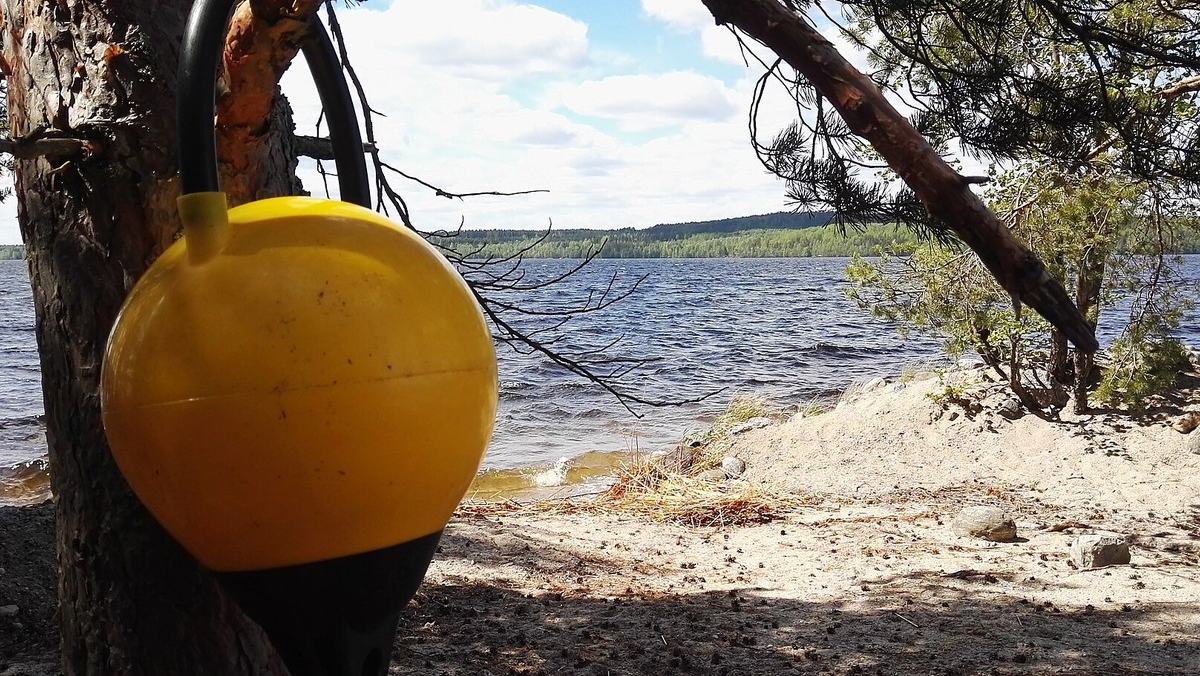
Kelvenne is a long, narrow esker island shaped by the glacial history of the region. The park authority describes it as a distinctive part of the national park, with sandy shores, forest and viewpoints over the surrounding lake. That combination of geology and water is what makes the island attractive to paddlers. A shoreline visit can reveal terrain that would be difficult to appreciate from a car or a conventional inland route.
The island's appearance may tempt visitors to choose any sandy patch for landing. That is not a safe assumption. Protected areas, suitable landing sites and the rights of other visitors need to be understood before setting out. Use the park's official map and instructions, and seek local advice about the section of shoreline that is appropriate for the planned craft. Enjoying a beautiful beach does not require creating a new access point across vegetation.
Padasjoki as a useful departure base
Padasjoki is one of the recognised bases for visiting the national park. The official Luontoon service listings identify Päijänteen Kanootit as a canoe-rental business in Padasjoki, while the national-park material refers to the area's harbour facilities. This gives prospective visitors a concrete starting point for arranging equipment and understanding the route rather than relying on a broad claim that canoes can be hired somewhere around the lake.
Before travelling, contact the provider for actual operating dates, prices and suitable departure locations. Ask what types of canoe or kayak are available, whether safety equipment is supplied and what instruction is included for inexperienced paddlers. The fact that an operator appears on a national-park service listing does not guarantee a vacant boat on a specific date. A flexible holiday programme should allow for changes in availability or weather.
Canoe hire and water taxis serve different visitors
A person hoping to paddle under their own power has different needs from someone wanting to visit Kelvenne with minimal physical effort. The park's official services include boat transport or water-taxi options, creating a useful alternative for travellers who may not be confident on an open lake. A water taxi can arrange a crossing and recovery when the service is operating, while a canoe hire leaves more of the navigation and return to the customer.
The right choice depends on the party's experience and expectations. A family planning a walk on the island may prefer a booked transfer. Experienced paddlers might enjoy the journey itself but still need to allow for wind, distance and loading. Ask the operator about departure points, return times and what happens if a change in conditions prevents the planned passage. The biggest mistake is to assume the same arrangements apply to every kind of visit.
A longer lake requires conservative decisions
Lake Päijänne has enough open water that wind can create demanding waves. A beginner should not plan a crossing to a distant island solely because it looks close on an online map. Measure the real distance, review the forecast and understand where shelter or a safe landing may be available. A paddler who travels outward with a favourable breeze may face a tiring or unsafe return against it.
The best introductory route is often a modest out-and-back from an appropriate shore access, with a clearly agreed turning point. Only attempt a longer passage when skills, equipment and conditions justify it. A canoe can be stable and comfortable on sheltered water yet difficult to control when waves strike it from the side. Treat a longer island visit as a serious boating plan rather than an improvised addition to a picnic.
The park's glacial landscape
Metsähallitus highlights the geological importance of Päijänne National Park, where the last Ice Age shaped the eskers and shorelines. From a boat, those formations can be appreciated as long wooded ridges rising above the lake. Kelvenne's profile is especially distinctive, with the island providing a sequence of views rather than one fixed lookout. A slow canoe allows the group to observe the changing relationship between forest, sand and water.
The landscape becomes even more interesting when combined with a short authorised walk. However, the transition from boat to shore should be planned in advance. A canoe must be secured without damaging vegetation, and the group should follow marked routes rather than walking through sensitive ground. The presence of paths and resting places is an invitation to use the park responsibly, not a licence to make a new trail.
Pulkkilanharju without launching a boat
The national-park brochure and official destination information identify Pulkkilanharju as an accessible ridge route where visitors can experience the lakescape from land. This is a valuable alternative when the wind makes a canoe crossing unsuitable. A traveller who wants to understand the area's glacial scenery need not insist on being afloat every day of the holiday. A walk can reveal views that complement rather than duplicate those from the water.
For families with mixed interests, a split programme may work well: one day exploring the ridge and another devoted to a suitable canoe outing. The approach avoids pressing children or inexperienced adults into a lengthy lake passage simply because the trip was described as a boating holiday. Flexibility often produces a better experience than an overfilled itinerary.
Keeping within national-park rules
National parks protect environments as well as support recreation. Päijänne has restrictions designed in part to protect nesting birds, and official maps identify areas where access is limited. Do not assume a kayak may approach every island, enter every shallow bay or land wherever the view is attractive. Read the current instructions before departure and observe signs and any seasonal restrictions that apply.
Wildlife photography should be managed with particular care. A quiet boat can still disturb birds when it moves close to a nest or resting area. Keep a respectful distance and choose observation over pursuit. The attraction of the inland archipelago depends on maintaining the habitats that make it distinctive, and individual paddlers play a real part in that protection.
Overnight trips require more preparation
A canoe excursion that includes camping is a much more substantial undertaking than a short paddle from a harbour. The crew must understand where overnight stays are permitted, what facilities exist and how to carry equipment without overloading the craft. National-park rules may limit camping to designated locations. Confirm those details through Metsähallitus rather than relying on informal advice or the appearance of a pleasant beach.
Plan sufficient food, drinking water, clothing and equipment for changes in weather. The boat should have suitable buoyancy and a loading arrangement that permits safe handling. An overnight route also needs a credible contingency if wind delays the planned return. Groups with little paddling experience may be better served by an organised excursion before attempting a self-supported journey.
Selecting the right small craft
A canoe offers useful space for passengers and bags, but weight must be distributed carefully. A tandem kayak can travel efficiently yet requires cooperation between paddlers. A solo kayak may feel straightforward near shore but becomes more vulnerable when the paddler is tired or alone. No design removes the need for competence and suitable weather. Ask the hire provider which craft is appropriate for the route and the experience of the participants.
Practice steering and turning close to the departure point. Make sure every passenger knows how to enter, leave and remain stable in the vessel. A young family should choose the least demanding route that still offers an enjoyable experience. The purpose is to see the lake and return comfortably, not to demonstrate that a particular distance can be completed.
Lifejackets, cold water and weather
Finnish lake water can be cold outside the warmest periods, and unexpected immersion is a serious hazard. Wear suitable personal flotation equipment and clothing appropriate to the conditions. Carry drinking water, protected communication equipment and an emergency plan. A waterproof map or other navigation aid can be valuable where many wooded islands look similar from a low position on the water.
Check wind forecasts and keep watch for changes while afloat. If visibility deteriorates or waves grow uncomfortable, shorten the outing and return by a safe route. A long passage should not depend upon a single phone battery or a map application that may be difficult to use in rain. The person leading the group needs a clear understanding of where it is and how it will get home.
Approaching harbours and other boats
The lake serves a variety of recreational users, including powered dayboats, sailing craft and paddlers. Harbours and ferry routes can be busy, and a canoe should not stop in a narrow approach while the crew photographs the scenery. Give faster craft appropriate space and make movements predictable. In return, operators of powered vessels should moderate wash around small boats and take account of their limited speed.
An orderly landing is equally important. Prepare lines and keep equipment controlled before entering a shared dock or beach. Avoid blocking other users while passengers unload. A little patience is especially valuable when a family has several bags or children needing assistance to step ashore.
Respect for campsites and shore facilities
Designated resting places and guest harbours are useful precisely because they concentrate visitor activity where it can be managed. Use them carefully, take waste back and do not leave food where it attracts wildlife. A small fire or cooking setup should be used only where permitted and when any current fire restrictions allow it. Check the rules rather than assuming ordinary campsite habits are acceptable everywhere in a national park.
Privately owned paddling equipment should be cleaned and dried as appropriate between waterways to reduce the risk of moving unwanted organisms. Avoid transporting plants or sediment on a canoe trailer or kayak. These precautions support both the park environment and the quality of future boating.
Making a two-day Päijänne itinerary
A practical holiday could begin in Padasjoki by visiting the harbour and speaking with the rental or water-taxi provider. If conditions are suitable, arrange a short paddle near an authorised access point. Spend the rest of the day enjoying the local area. On the next day, consider a booked transfer to Kelvenne for a walk or a more ambitious paddle only if the forecast and the crew's skills justify it.
This sequence avoids committing to the largest crossing immediately after arrival. It also leaves room to learn about the area's geology and recreation rules before reaching a protected island. A trip that includes a comfortable short paddle and a well-organised island visit may be more rewarding than one exhausting day on the water.
Confirm current services, not only the brochure
Metsähallitus's official national-park information is the primary source for Kelvenne's character and the restrictions that protect the environment. The Luontoon service directory identifies actual canoe-rental providers and boat transfers, while local tourism information describes the Padasjoki departure area. These sources establish genuine opportunities, but they do not reserve equipment or certify that a route is safe on the chosen date.
Check the current provider's hours, suitable craft, weather cancellation arrangements and access instructions. For a self-guided trip, use the latest official maps and understand where landing is permitted. A short preparation process helps visitors enjoy the destination without placing unnecessary demands on the park or the people responsible for its care.
The attraction of the inland islands
Päijänne National Park offers an experience built around subtle details: a ridge formed by ice, a quiet stretch of forest, a small landing and the broad lake beyond. A canoe can reveal those details at a slow pace, while a water taxi makes selected island visits more accessible to people who do not want to paddle a long distance.
The essential choices are straightforward: respect the weather, choose the right craft and follow national-park rules. When those decisions are made carefully, a modest outing from Padasjoki can become a memorable introduction to Finland's lake country.
Sources and photograph attribution
Official destination and boating guidance: Metsähallitus / Luontoon — Päijänne National Park Nature. Current access, rules, weather and reservations must be checked independently before travel.
Photograph: Trogain — “Kelvenne beach.jpg” (CC BY-SA 4.0), via Wikimedia Commons. Resized to JPEG 1200×800 for editorial display. Source: https://commons.wikimedia.org/wiki/File:Kelvenne_beach.jpg. Licence: https://creativecommons.org/licenses/by-sa/4.0. Original rights remain with the credited creator or as specified by the source and licence.
