
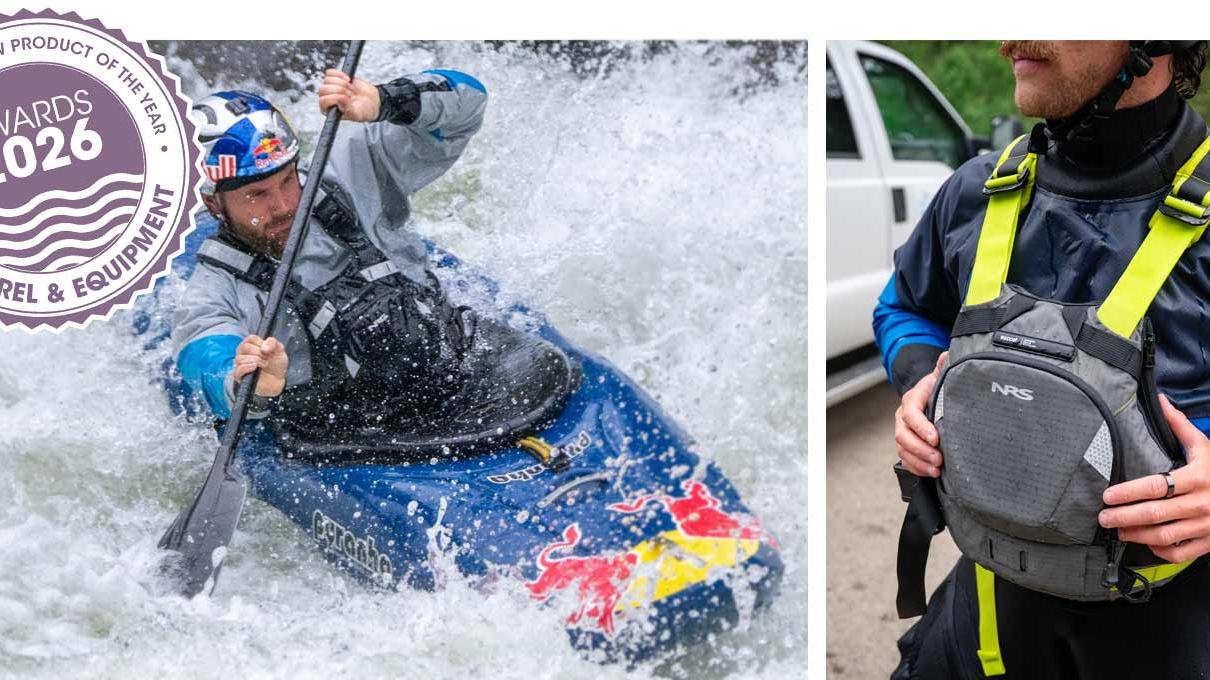
NRS has introduced the Vector rescue PFD, the first whitewater rescue buoyancy aid to integrate RECCO locator technology.
NRS has launched the Vector rescue PFD with integrated RECCO locator technology, bringing a search-and-rescue system already used in mountain environments into whitewater paddling. The new buoyancy aid combines a locator reflector with technical rescue features and a cut designed to preserve mobility for guides, rescue teams and experienced paddlers.
RECCO technology moves into whitewater equipment
The Vector incorporates a passive RECCO reflector that can be detected by compatible rescue equipment. The system does not replace a personal locator beacon or emergency communication device, but it gives rescue teams another way to search for a missing person when appropriate detection equipment is available.
Because the reflector is passive, it does not require charging or user activation. That simplicity suits safety equipment that may spend long periods packed with other paddling gear and then be needed quickly in an emergency.
Rescue features are built around freedom of movement
NRS says the Vector was developed over five years with the aim of combining technical rescue capability and unrestricted paddling movement. The vest is intended for demanding river use where a bulky or poorly shaped buoyancy aid can interfere with strokes, boat handling and swimming.
For ordinary recreational paddlers, the most important lesson is not that everyone needs a specialist rescue vest. It is that correctly fitted buoyancy equipment should match the type of water, activity and rescue skills of the person wearing it.
The PFD won a 2026 Product of the Year award
The Vector received a Product of the Year award at the 2026 Paddle Sports Show, reflecting interest in bringing established rescue-location technology into paddlesports. NRS positions the product toward whitewater professionals and experienced users rather than casual flat-water outings.
That distinction matters because rescue PFDs include features that should be used only by people trained to understand them. A strong safety product can still create risk if specialist attachments or release systems are used without proper instruction.
Better safety starts before the boat leaves shore
Locator technology is useful, but it remains only one layer in paddling safety. Checking river conditions, wearing the correct buoyancy aid, carrying suitable communication equipment and making sure companions understand the route are still more important than any single piece of gear.
For LBG readers moving from sheltered paddling into faster rivers or remote routes, the Vector illustrates how equipment becomes more specialised as conditions become more demanding. The right gear should support training and judgement rather than replace them.
Official sources: www.nrs.com.
Source
www.nrs.com