
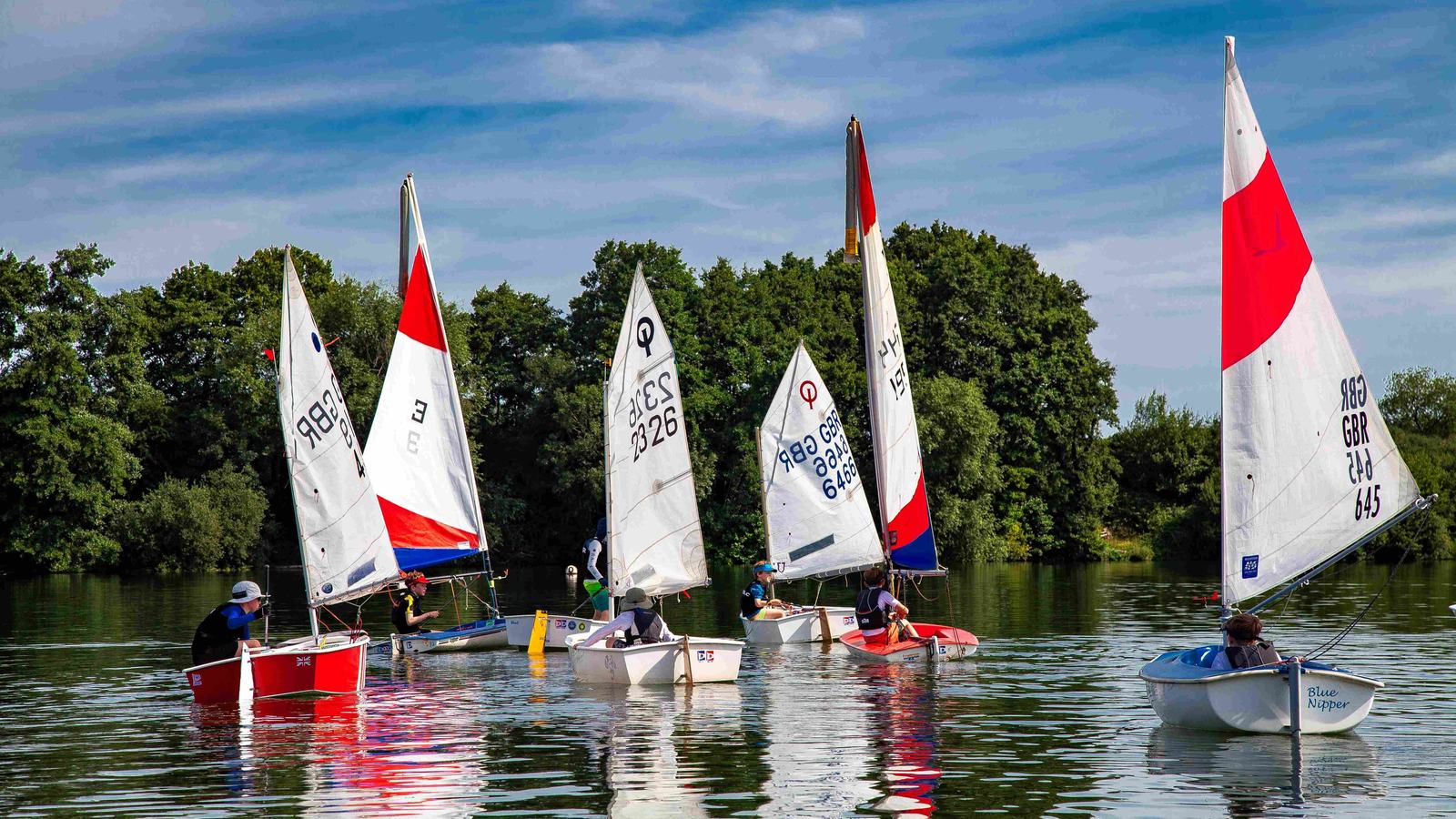
The Clean Water Sports Alliance Northern Ireland has asked sailors and other recreational water users to report poor water conditions, gathering evidence to support improvements in rivers, loughs and coastal areas. The RYA Northern Ireland is among seven national sporting bodies involved in the appeal, coordinated with the Northern Ireland Sports Forum in summer 2026.
Seven sporting organisations call for better information
The Clean Water Sports Alliance Northern Ireland has asked sailors and other recreational water users to report poor water conditions, gathering evidence to support improvements in rivers, loughs and coastal areas. The RYA Northern Ireland is among seven national sporting bodies involved in the appeal, coordinated with the Northern Ireland Sports Forum in summer 2026.
The alliance represents activities including sailing, swimming, paddling, rowing, angling and triathlon. These groups use the same waterways in different ways, so visible pollution can affect several communities at once. Gathering consistent reports may help responsible organisations identify patterns that are otherwise easy to overlook.
Why water quality matters to small craft
A dinghy sailor may be splashed repeatedly, while a paddler or open-water swimmer can be in much closer contact with the water than someone aboard a larger enclosed boat. Contamination can therefore create direct concerns for participation. Clubs also need reliable information when deciding whether instruction or events should proceed.
The RYA cites Rivers Trust findings on the poor overall ecological status of Northern Ireland's rivers and lakes, alongside environmental warnings about discharges into coastal waters. These assessments cover particular definitions and periods; they should not be interpreted as a water test for every individual launching site on a given day.
Reporting as a practical contribution
The alliance invites water users to record incidents of poor water quality and help build an evidence base for authorities and organisations seeking improvements. Useful reports are factual, noting location, date, visible conditions and observations without encouraging anyone to enter contaminated water or investigate a discharge closely.
Members of the public should avoid approaching suspicious substances or collecting potentially hazardous samples without training. Official reporting channels and public-health advice remain the right places to obtain current instructions. A photograph taken safely from shore may assist documentation, where permitted.
A broader view of recreational waters
The coalition advocates sustained funding, better monitoring and recognition of recreation waters rather than focusing exclusively on designated bathing beaches. Sailors, kayakers and anglers regularly use rivers and other sites that do not fall within traditional bathing-water monitoring. Effective public information needs to reflect that diversity.
Cleaner water is an environmental goal and an essential part of enjoyable recreation. The appeal offers boaters a way to contribute observations while individual safety decisions continue to depend on up-to-date local information. Anyone concerned about conditions should seek the latest official notices before launching or swimming. Reporting a concern also complements, rather than replaces, action from regulators and the bodies responsible for water infrastructure. Leisure users can provide observations, but determining the cause of contamination and deciding on corrective measures requires appropriate professional investigation.
Source
Royal Yachting Association