
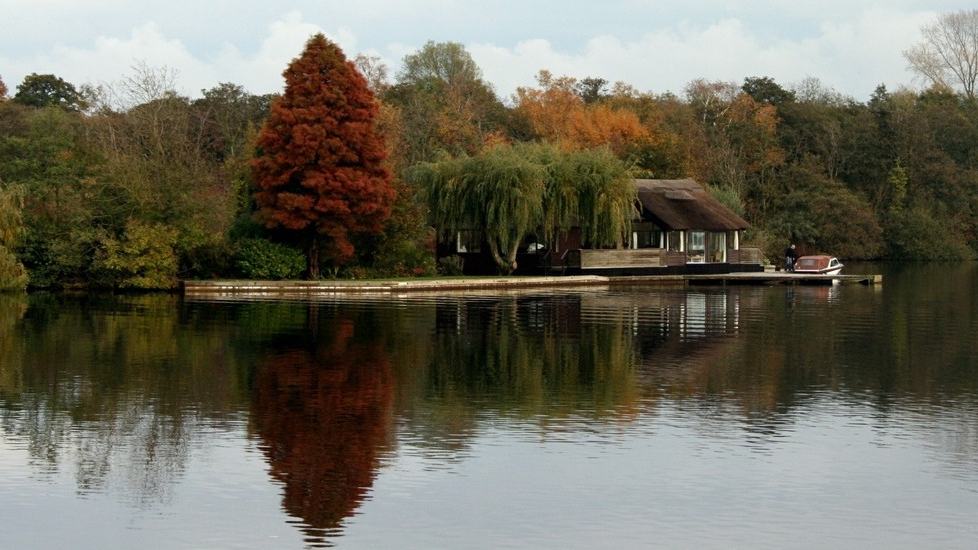
Hiring a dayboat near Wroxham offers an approachable introduction to the Norfolk Broads, from the River Bure's reed-lined reaches to Horning and Ranworth.
Let the waterways set the pace
The Norfolk Broads can seem unusually generous to first-time boaters. Rivers connect wide areas of open water, reed beds reach into the distance and a little dayboat allows visitors to experience a landscape that looks very different from the road.
The appeal is not high speed, and that is part of the attraction. Norfolkbroads.com describes a day beginning around Wroxham and exploring the River Bure, with places such as Horning and Ranworth providing possibilities for a pause and a short walk ashore.
That suggested journey should be viewed as inspiration, not as a fixed timetable. How far a family can comfortably travel depends on the hire period, local restrictions, traffic, available moorings and the time taken for each stop.
Starting in and around Wroxham
Wroxham is a well-known centre for boat hire in the northern Broads, making it a practical place to begin a first outing. Operators can normally explain how their craft handle, where to find essential safety equipment and what areas are realistic within the booked time.
Pay particular attention to steering and stopping distances during the handover. A dayboat does not behave like a car, and gentle anticipation is more useful than late corrections when approaching a bank, bridge or busy mooring.
Once underway, the River Bure provides a varied opening, with riverside properties, birds along the edges and the broad itself nearby. A family can enjoy the route without trying to cover every side channel; choosing an unhurried passage often makes the experience more relaxing.
Horning and the change to open country
Horning adds an appealing village-and-waterfront element to the trip, with places for a refreshment stop if suitable visitor moorings are available. A boat brings a different perspective to a village built around the river, but passengers should confirm where they are allowed to tie up.
As the journey continues, built-up river frontage gives way to more open wetland scenery. Reeds, meadows and broad skies become the dominant features, turning the passage into a quiet wildlife-watching experience.
Look for water birds and marsh harriers, while remembering that wildlife is never guaranteed. Staying within marked channels and keeping an appropriate speed helps protect the environment and makes the water more comfortable for other boaters.
Ranworth as a possible turning point
Ranworth Broad and its nearby village are highlighted in the tourism guide as a tempting place to explore. The quay and local paths may offer a change of pace, and elevated views from around the village can reveal the winding pattern of the waterways.
Before committing to that destination, however, a skipper should calculate the return time conservatively and allow for slow stretches or delays. A hire boat must return according to its contract, and arriving back late can spoil an otherwise excellent day.
If the crew prefers frequent stops, there is no disadvantage in turning around earlier. The Broads reward repetition: even the same reach of river can look different as light moves across the reed beds.
The practical side of slow boating
Lifejackets, clear crew communication and obedience to speed restrictions are central to a successful day. The area includes wildlife-sensitive places, bridges and working or privately moored boats, all reasons to resist the temptation to treat the open stretches as a racetrack.
Pack a simple meal, drinking water, layers of clothing and something to keep small passengers occupied when the excitement of the first hour settles. Secure hats and loose belongings, and assign a responsible adult to supervise children whenever the boat is moving or near the water.
Norfolkbroads.com's published route is a useful starting point, but current notices and directions from the hire yard must govern actual decisions. The best result is a day in which everyone returns calm, comfortable and eager to discover another stretch of this waterway next time.
Questions to ask at the boatyard
Ask the hire operator for a realistic outward turning point based on the boat, booking time and current conditions. A general tourism itinerary is not a guarantee that every quay will have space or that a particular route can be completed on schedule, so local advice is more reliable than an optimistic estimate. A useful timetable also leaves space for a genuinely enjoyable lunch stop rather than forcing the crew to eat in a hurry.
Find out which stretches have low bridges or other restrictions that affect the craft you have selected, and ask how to recognise permitted mooring points. Navigation signs should be understood before departure, along with any special instructions covering wildlife protection, speed or passing other boats.
Finally, identify a fallback plan if children become tired or the weather turns. Returning early for a shoreside activity is an entirely successful outcome, and one of the great virtues of a first dayboat trip is discovering whether everyone wants to explore the Broads again on a longer holiday.
Source
Norfolkbroads.com