
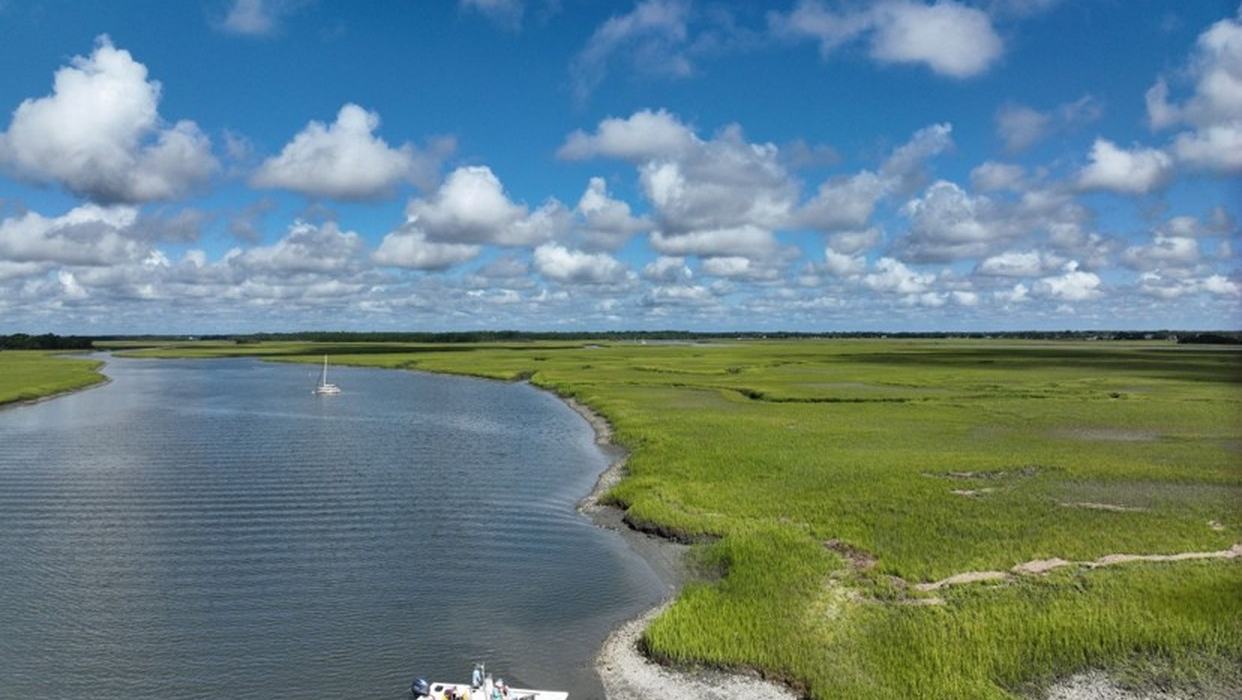
A NOAA assessment of decades-old oyster reef restoration in the Carolinas highlights how intertidal elevation, compact reef design and protection from wave energy matter to boaters.
For recreational boaters, oyster reefs often occupy the margins of a pleasant tidal cruise: low clusters of shell beside a marsh, a ripple in the shallows or a protected bend that is best given a wide berth. Research published by NOAA on 19 October 2026 puts those unobtrusive habitats in a more important light. An assessment of decades-old restoration projects in the Carolinas found that surviving reconstructed reefs can achieve oyster abundance and intertidal elevation comparable with natural reefs when sites are chosen well.
The science contains a useful reminder for everyone who navigates creeks and estuaries. Oyster habitat depends not just on what is placed in the water but on precisely where it sits, how currents and sediment behave, and how much wave energy reaches it. In its new guidance, NOAA explicitly includes boat wakes among the kinds of exposure relevant to choosing sheltered locations. That turns a technical restoration finding into a practical story about sharing waterways with living shorelines.
Why a decade-long view changes the conversation
An oyster reef that looks healthy just after construction has not necessarily proved its value as coastal infrastructure. Natural materials settle, current patterns move sediment and young oysters face exposure to waves, tides and changes in water quality. That is why a new review by the National Centers for Coastal Ocean Science matters for anyone who boats in tidal creeks. Rather than judging a restoration project on its opening-day footprint, researchers returned to sites that had been in the water for years and asked whether they were still functioning like nearby natural reefs.
The October 19, 2026 update describes comparisons across four estuaries in North and South Carolina: Folly River, Sewee Bay, Shallotte River and Lockwood’s Folly River. Investigators examined the stability of the reef footprint, the reef's height relative to tidal levels and the abundance of live oysters. Those measures are more revealing than a photograph of newly placed shell alone. A reef can become smaller on a map as its materials consolidate, yet still sustain a healthy oyster population and retain the vertical profile needed to function in the intertidal zone.
What NOAA found about long-term reef performance
The most encouraging result is that surviving restored reefs generally approached natural reference reefs in both elevation and oyster numbers over a span of decades. That does not mean every artificial reef thrives, or that any pile of shell will deliver the same result. It means carefully located projects can mature into persistent pieces of estuary habitat rather than remaining temporary construction sites. For coastal communities, the distinction is important because the benefit comes from years of ecological activity, not simply from the moment restoration funding is spent.
NOAA identified three practical design priorities: placing projects at appropriate elevations within the intertidal range, creating compact and relatively dense reef footprints, and choosing corridors sheltered from powerful wave action. Local sediment characteristics and water movement can determine which oyster larvae settle and whether the resulting reef remains stable. The study also suggests that simply making the initial footprint larger does not guarantee a larger successful reef later. Good location and structure can be more consequential than an ambitious quantity of material.
The link between boat wakes and living shorelines
Boat owners will notice an easily overlooked detail in NOAA's recommendations: wave-sheltered sites include locations protected from vessel wakes. The report specifically names boat wakes among the hydrodynamic factors to consider when selecting restoration corridors. A passing wake is not the only energy acting on a riverbank, of course; wind-driven waves, tides and storms all matter. Yet concentrated recreational traffic can add repeated bursts of water movement along the same shallow edge, particularly at bends, narrow channels and launch approaches.
For a skipper, the implication is a reason to respect wake-sensitive shores even where no formal no-wake marker is present. Slowing down before entering vulnerable tributaries, allowing room around restoration structures and avoiding unnecessary wash near planted shell beds are reasonable habits that align with the study's concern about wave energy. The research does not establish a universal safe speed or a specific stand-off distance for every site. Local navigation rules, charts, markers and conservation instructions should always decide where a boat may travel and how fast it should proceed.
Why reefs matter to small-boat cruising
An oyster reef is much more than a collection of shells on the riverbed. Living oysters filter suspended particles from water as they feed, while the reef's three-dimensional structure provides shelter and habitat for other estuary species. NOAA also identifies shoreline stabilisation as one of the functions created by these natural engineers. For a family exploring creeks by dinghy, kayak or modest motorboat, a healthy estuary offers the possibility of richer wildlife observations and a shoreline that maintains more of its natural character.
These benefits should not be oversold as instant changes in water clarity, fishing success or storm protection at a particular anchorage. They depend on many conditions beyond oyster numbers, including water quality, land use and how much of the shoreline is restored. Nevertheless, the finding that a well-placed restored reef can resemble a natural one after many years supports a patient approach to conservation. An apparently small habitat feature may matter most because it continues working between boating seasons, long after the project team has packed up.
Planning a considerate visit through reef country
Before setting out into an unfamiliar salt-marsh river, boaters can check official charts and local management notices for shellfish cultivation areas, restoration structures and restricted waters. Oyster reefs may be exposed on a low tide or lie barely below the surface, creating both an environmental sensitivity and a potential grounding or propeller hazard. Staying within marked channels where appropriate, navigating at a speed that allows time to identify obstructions and using updated local information are all prudent steps. Wildlife watching should be conducted without landing on the reef or disturbing working restoration sites.
The best approach also depends on the craft. A paddleboard or kayak can pass quietly near a shore, but still damage fragile habitat if dragged across exposed shells. A powerboat can keep its hull clear of the reef and nevertheless send wash into a shallow margin. Sailboats and tenders using creek anchorages should select established, permitted anchoring places and avoid scraping bottom-sensitive habitats. The goal is not to stop people enjoying estuaries; it is to make the human visit brief and light enough that the living shoreline has the best chance to continue growing.
A wider lesson for restoration and recreation
NOAA's assessment was carried out with partners including South Carolina's Department of Natural Resources, North Carolina's Division of Marine Fisheries and East Carolina University. It is part of a larger effort to judge nature-based approaches by their performance under real coastal conditions. The findings are useful to engineers and resource managers making decisions about sediment, elevation and site exposure. They also offer a public explanation of why a restoration proposal might focus on a sheltered reach instead of the more visible stretch of shoreline.
For the boating community, the October study provides an unusually concrete connection between everyday behaviour and estuary science. Yacht clubs, marina operators and boating associations can share accurate notices about restoration work, support local habitat groups and remind members why wake discipline matters beyond courtesy to people on board nearby craft. The bigger lesson is that coastal access and conservation need not pull in opposite directions. When thoughtful design is matched by thoughtful navigation, restored oyster beds have a better chance of becoming enduring neighbours of the boating routes people cherish.