
NOAA's harmful algal bloom response programme has passed $1 million in direct support since 2003. We explain the official findings and practical precautions for recreational boating, swimming, pets and seafood.
A million-dollar milestone beneath the surface
An enjoyable day afloat begins with choices that rarely appear on the itinerary: which beach is suitable for a swim, whether the dog can safely play at the water's edge, and whether locally caught seafood is subject to an advisory. Harmful algal blooms can complicate all three. A new milestone announced by the United States National Oceanic and Atmospheric Administration offers a timely look at the scientific response behind the public notices that recreational boaters should take seriously.
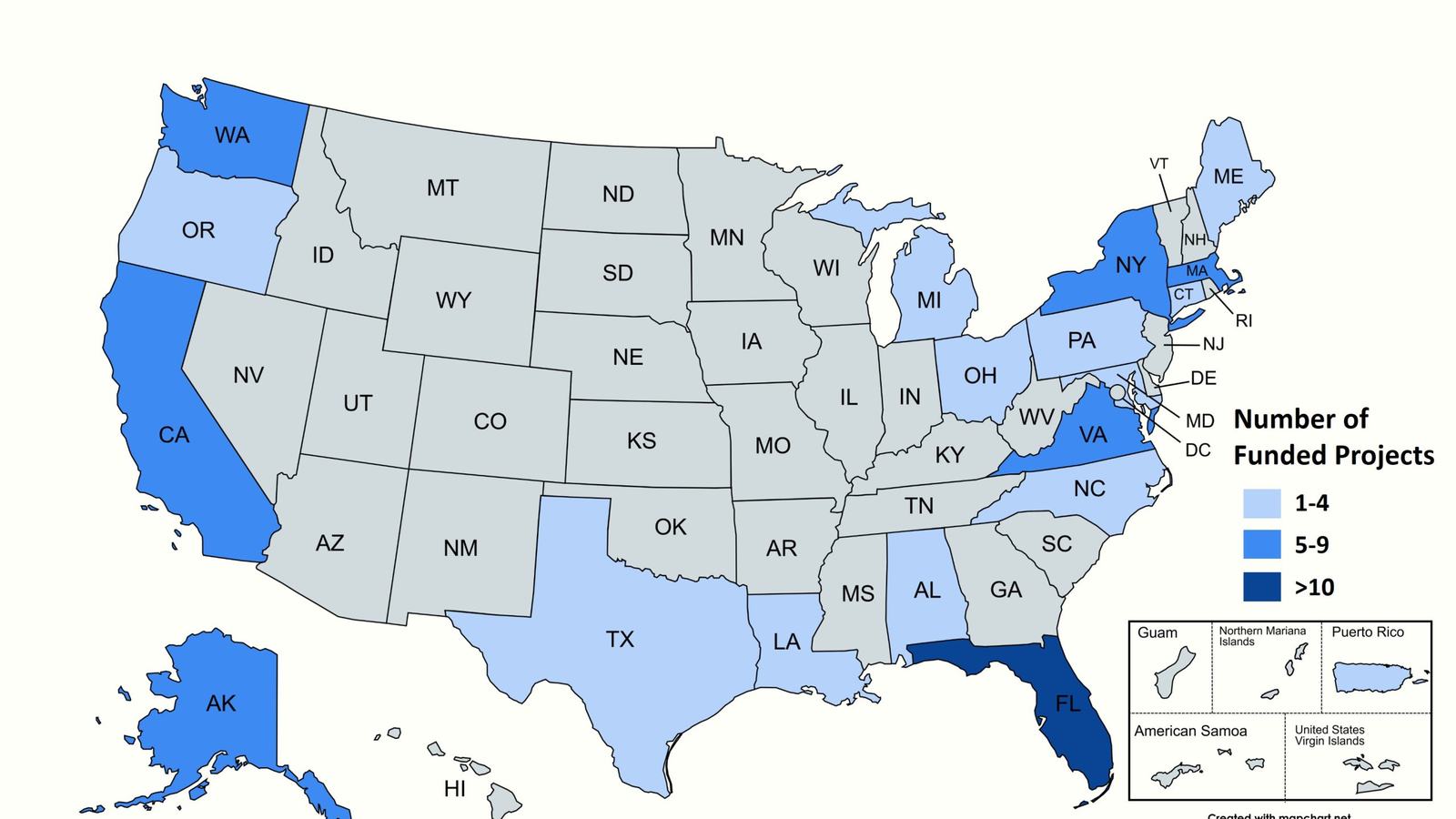
On 21 October 2026, NOAA's National Centers for Coastal Ocean Science said its Harmful Algal Bloom Event Response programme, known as HABER, had passed one million US dollars in direct response funding. Since its establishment in 2003, the programme has backed 80 response-related projects across 18 states and Puerto Rico. This is a cumulative milestone for a specialist response programme, not a declaration that blooms are increasing, nor a measure of every dollar spent on algal research in the country.
Why a rapid response matters to people on the water
A harmful algal bloom occurs when algae or related organisms proliferate in ways that can injure people, wildlife or the environment. Some events are conspicuous, with discoloured water or surface accumulations, while others are difficult to identify from a boat. The central difficulty for a holidaymaker is that a tranquil-looking bay is not proof of safe conditions, just as an unpleasant-looking patch cannot tell an observer which organism or toxin is present.
NOAA says the response funding can support toxin testing, phytoplankton analysis, sampling equipment, training and coordination between specialists. Those activities can give local authorities evidence with which to assess an incident and communicate precautions. They are quite different from a programme that promises to remove an entire bloom immediately, and NOAA has made no such claim.
For a yacht owner or a family cruising in a small motorboat, the benefit is indirect but significant. Scientific sampling can help distinguish a suspected problem from a confirmed hazard; public agencies can then decide whether swimming, shellfish collection or other activities require restrictions. An operator should still check the relevant local authority because national research updates are not a substitute for place-specific advice.
An alert is part of voyage planning
Navigation planning usually covers weather forecasts, tidal range, fuel, water depth and suitable landing places. Where blooms are a known concern, another question belongs on the same checklist: has a local health or environmental agency issued a current water-quality, swimming or shellfish advisory? The United States Centers for Disease Control and Prevention advises visitors to look for official notices online and at the waterside before using lakes, rivers or coastal water.
The advice applies to more than people who intend to swim. A boating party might use a dinghy to reach shore, let children paddle in a sheltered shallows, take a kayak into an inlet or bring a dog along for a day. These plans involve different forms of contact with water, and a closure or warning can affect one activity without necessarily closing an entire navigation area.
Warnings can change as observations and laboratory results develop. A positive report from an earlier weekend does not guarantee that a bay is safe today, and an old photograph of green water is not a reliable assessment of present conditions. A responsible skipper checks the latest local instructions near the time of the visit and adjusts the day's activities if necessary.
What the eye can and cannot tell you
Unusual colour, scum, floating mats, a paint-like surface or a bad odour are all reasons to keep people and animals away from the water until appropriate advice is available. Dead fish or other affected wildlife near the shore deserve similar caution. The CDC also stresses a less intuitive point: potentially harmful toxins can occur without the obvious visual signs of a bloom.
That is why the appearance of an anchorage should never outrank an official advisory. It would also be mistaken to label every patch of seaweed or discoloured coastal water as toxic from its appearance alone. Laboratory work and qualified local monitoring are what can establish the relevant organism or substance and whether restrictions are warranted.
A boat's instruments can tell the helmsman about depth, position and sometimes water temperature, but ordinary plotters and echo sounders do not identify algal toxins. Nor should a general marine weather forecast be mistaken for a health clearance. The practical habit is simple: use each information source for the question it can actually answer.
Extra caution for dogs, children and seafood
Families often choose sheltered waters because they look inviting and seem easier to supervise. During a suspected bloom, however, the safest recreational plan is to avoid contact and choose another place or a shore-based activity. Children may swallow water accidentally, and dogs can drink it or lick their coats afterwards. NOAA and the CDC warn that pets may be especially vulnerable to certain bloom-related toxins.
If a person or animal has already contacted suspect water, public-health guidance recommends rinsing promptly with clean tap water and following local instructions. Symptoms or concern about exposure call for professional medical or veterinary advice rather than an improvised diagnosis from the boat. The important distinction is between sensible immediate precautions and assuming an article can assess an individual exposure.
Fishing adds a separate issue because edible seafood may carry hazards that are invisible and do not disappear through ordinary cooking. The CDC recommends checking current local fishing and shellfish advisories before keeping or eating a catch. The absence of a dramatic watercolour change cannot establish that a particular shellfish bed is open for harvesting.
What NOAA's numbers actually measure
The latest NOAA figures tell a story about response capacity, not about the safety of every American waterway. HABER has funded eighty response-related projects since 2003, with work spanning 18 states and Puerto Rico. That geographical reach illustrates where support has been provided under this programme; it does not mean the other states have no blooms or that every listed area is currently affected.
The funding has been used for practical interventions, including access to testing expertise and equipment during fast-developing events. Those services can be particularly valuable when the local laboratory or monitoring team faces a sudden demand for information. The milestone does not quantify the number of illnesses prevented, beaches reopened or fish protected, and it would be misleading to infer such outcomes from the funding total alone.
NOAA describes HABER as a collaboration established with the US National Office for Harmful Algal Blooms at Woods Hole Oceanographic Institution. Its longevity matters because incident response requires relationships and procedures already in place before an unusual event occurs. For visiting boaters, the visible result is often a short advisory; behind it may lie substantial coordination and scientific work.
Building a more adaptable cruising day
An easy way to use this knowledge is to keep two versions of a day's plan. The preferred route might include swimming, paddleboarding and a shoreline picnic; the alternative might focus on harbour sightseeing, a waterfront walk or a different beach where local advice permits access. This preserves the pleasure of a spontaneous outing without pushing a crew towards an uncertain stretch of water simply because it was the original destination.
Before departure, identify the appropriate local water-quality and public-health sources for the cruising area. At the destination, respect warning signs, keep pets from suspect water and do not treat another boat's presence as evidence that conditions are safe. After any unexpected exposure, follow the local agency's advice rather than relying on assumptions about salinity, wave action or the water's appearance.
The NOAA programme's 2026 milestone is ultimately a reminder that recreational access and environmental science are connected. Boaters do not need to become marine microbiologists, but they do benefit from understanding what an advisory can say, what it cannot say and why rapid sampling makes a difference. The best day on the water is one whose pleasures survive a sensible change of plan.
Sources: CDC harmful algal bloom prevention guidance and NOAA National Ocean Service explanations. Local advisories remain the authority for conditions at a particular site.