
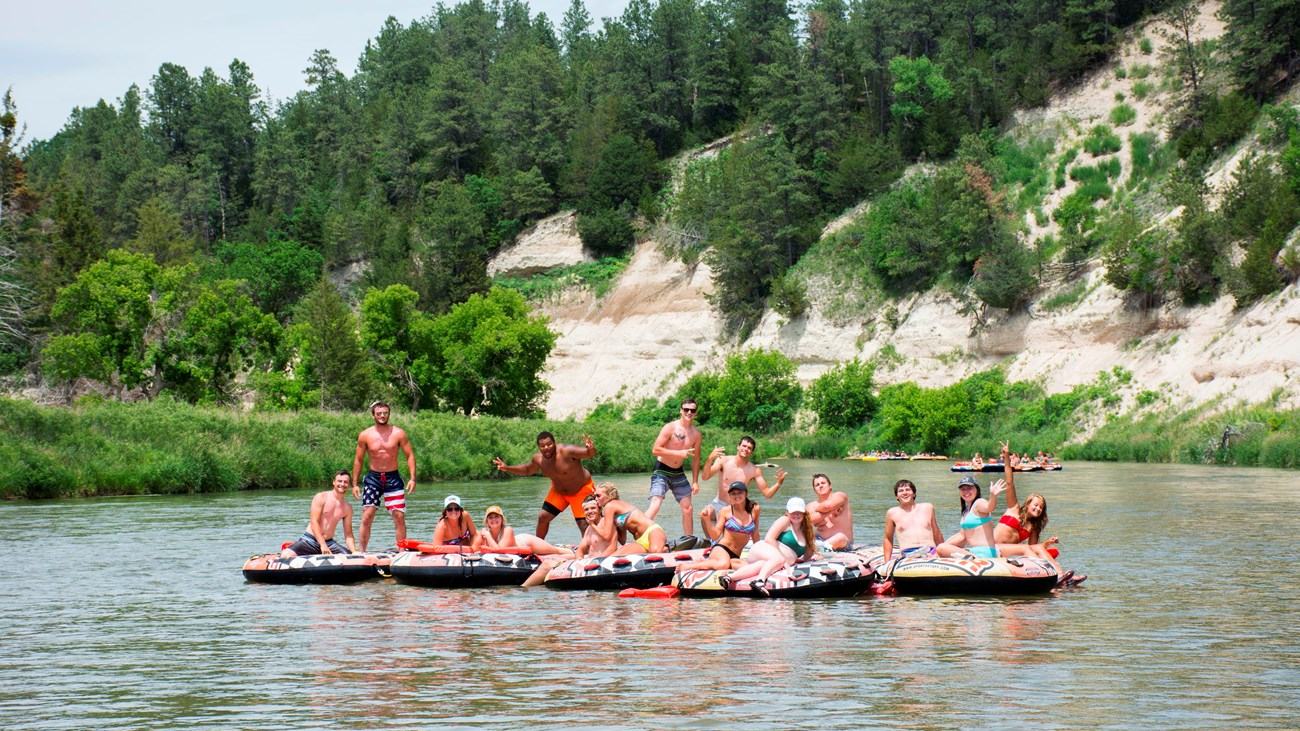
Nebraska is often imagined as an expanse of open plains, yet the Niobrara National Scenic River offers visitors a more varied landscape. A small recreational craft can provide a particularly rewarding perspective on the relationship between the river, wooded banks, bluffs and waterfalls. It is a different kind of boating holiday from one based around a busy reservoir or a familiar coastal marina.
An unexpected waterborne landscape
Nebraska is often imagined as an expanse of open plains, yet the Niobrara National Scenic River offers visitors a more varied landscape. A small recreational craft can provide a particularly rewarding perspective on the relationship between the river, wooded banks, bluffs and waterfalls. It is a different kind of boating holiday from one based around a busy reservoir or a familiar coastal marina.
The National Park Service describes summer river floats as a popular activity and identifies canoeing, kayaking and tubing as ways to enjoy the river. These experiences differ in the degree of control, exertion and equipment they involve. A good holiday begins by choosing the craft and section of water that match the group, rather than selecting the longest possible float.
Fort Niobrara and the first river miles
One of the familiar starting points is the public launch in the Fort Niobrara National Wildlife Refuge, near Cornell Bridge to the east of Valentine. The refuge protects the first several miles of the scenic river, and the setting gives visitors an opportunity to enjoy a protected landscape while beginning a downstream journey.
Confirm the current access arrangements and any charges before travelling. The park's visitor material describes parking and vault toilets at the Fort Niobrara launch. An accessible launch is also identified on the north side of Cornell Bridge. Discuss mobility requirements with the refuge or outfitter, because equipment that can be launched at one location may need assistance or different arrangements at the take-out.
Brewer's Bridge and realistic journey times
The National Park Service describes the route from the Fort Niobrara launch to Brewer's Bridge as a popular float of approximately four hours. That is a planning illustration rather than a promise of a particular duration. Different water conditions, craft, stops and the group's abilities can change the time considerably.
Ask a local provider how the intended route operates under the actual conditions of a proposed trip. A visitor hiring a canoe needs to know where the journey ends, when the return transport is expected and what happens if the group arrives later than anticipated. Keep the schedule flexible enough for a carefully managed outing. Do not make the success of the whole holiday depend on reaching a landing at the last possible moment.
Waterfalls and the value of slowing down
Fort Falls, Berry Falls and Smith Falls are among the attractions the park associates with the Fort Niobrara to Brewer's Bridge route. The scenic river is noted for its numerous waterfalls, a feature that can surprise visitors who are unfamiliar with the region. These features provide reasons to appreciate the journey rather than measure its value solely in miles covered.
Make stops only where the route, flow, access rights and local rules allow them. A waterfall seen from the water does not necessarily have a suitable or permitted landing nearby. If a visit to Smith Falls State Park forms part of the itinerary, establish whether the intended arrival or vehicle access involves a state park pass or another arrangement. Take time to enjoy these places without interfering with other boaters or the surrounding habitat.
Canoe, kayak or purpose-designed float tube
A canoe offers room for a companion and equipment, while a kayak can appeal to visitors who prefer to control their own craft. The choice should reflect the users' experience and the actual conditions. Ask local outfitters about the characteristics of their equipment and the appropriate sections of river for the type of journey they intend to arrange.
Tubing offers a more passive form of downstream recreation, but it also has distinct limitations. A tube does not provide the same directional control as a canoe or kayak. A visitor should not assume that floating equipment designed for a river can be replaced by an ordinary pool toy. Follow provider instructions, select suitable equipment and assess the group's ability to remain together without compromising the safety of other river users.
Managing the shuttle
A downstream trip often involves two vehicle locations or a commercial shuttle. The park points visitors towards local outfitters who can advise on rentals, launch arrangements and transport. Confirm the full service, not just the headline rental price, when comparing options. Ask whether the itinerary includes the planned take-out and whether additional parking or access charges may apply.
Independent boat owners should establish that both their proposed launch and their intended landing are legitimately accessible. The Niobrara has public and privately managed access sites, so the presence of a path or ramp does not establish the right to use it. Plan the collection of the craft before launching, and make sure that the people involved understand where they should meet and what to do if the plan changes.
A family outing needs the right pace
A family float can be particularly enjoyable when the journey is built around the least experienced or youngest participant. Select a manageable itinerary, supervise children closely and ensure that all participants understand basic instructions. Ask a provider what conditions and craft are suitable for the ages and capabilities of the people travelling together.
The park describes Nebraska's legal requirements for flotation devices, including compulsory wearing by children aged 12 and younger. Adults should not treat the lesser legal requirement applicable to older participants as a reason to leave their own life jackets unworn. Wear a correctly fitted flotation device appropriate for the activity, and consult the current rules before departure. A properly planned trip also allows time for rest, drinking water and changing weather conditions.
Respect the refuge and the river environment
There is more to the Niobrara than its recreational opportunities. The Fort Niobrara National Wildlife Refuge protects part of the river landscape, giving visitors the opportunity to appreciate wildlife within its natural setting. Watch quietly and maintain appropriate distances. Animals encountered beside water should be allowed to move without being crowded by a boat or group of floaters.
The National Park Service notes that alcohol is prohibited within the river section protected by Fort Niobrara Refuge. Check the current regulations for the whole journey, including any other restrictions concerning access, pets, fires or protected areas. Secure rubbish, food containers and equipment so that nothing is released into the river. The privilege of travelling through a protected area carries an obligation to leave it in good condition for others.
Plan for conditions, not the calendar
Although summer is a popular season for the Niobrara, the fact that a group has booked transport and accommodation does not establish that water and weather conditions will be suitable. Consult current river information and forecasts and obtain advice from a knowledgeable local operator. Conditions can affect the time required, the visibility of shallow hazards and the appropriateness of a particular craft.
Carry clothing and supplies suitable for the day's exposure to sun, wind, rain and possible immersion. Keep essential equipment and communication devices protected from water. Give a reliable contact the itinerary and expected finish time, and make arrangements for unexpected delays. The assistance available through a commercial outfitter may be useful, but participants should still listen to instructions and take responsibility for appropriate behaviour on the river.
Make the Niobrara a considered boating holiday
For people accustomed to sailing or motorboating, a river float offers the pleasure of a different relationship with the water. There is no engine noise or need to plan a marina berth, and a journey can be structured around the character of the landscape rather than the performance of an elaborate vessel. The choice of a canoe, kayak or tube should nonetheless remain a practical one.
Consult the National Park Service's current visitor guidance and the wildlife refuge's information, confirm access and provider arrangements and select an itinerary within the group's capabilities. The river's waterfalls, forest edges and canyon scenery are reasons to allow enough time to appreciate the journey. A realistic route, a suitable craft and responsible decisions can make the Niobrara a memorable small-craft destination rather than a hurried excursion between launch and take-out.
Official source: National Park Service visitor information. Visitors floating on the Niobrara River against a wooded bluff; National Park Service photograph. Public-domain federal agency photograph.
No claim to original U.S. Government works.
Source
National Park Service