
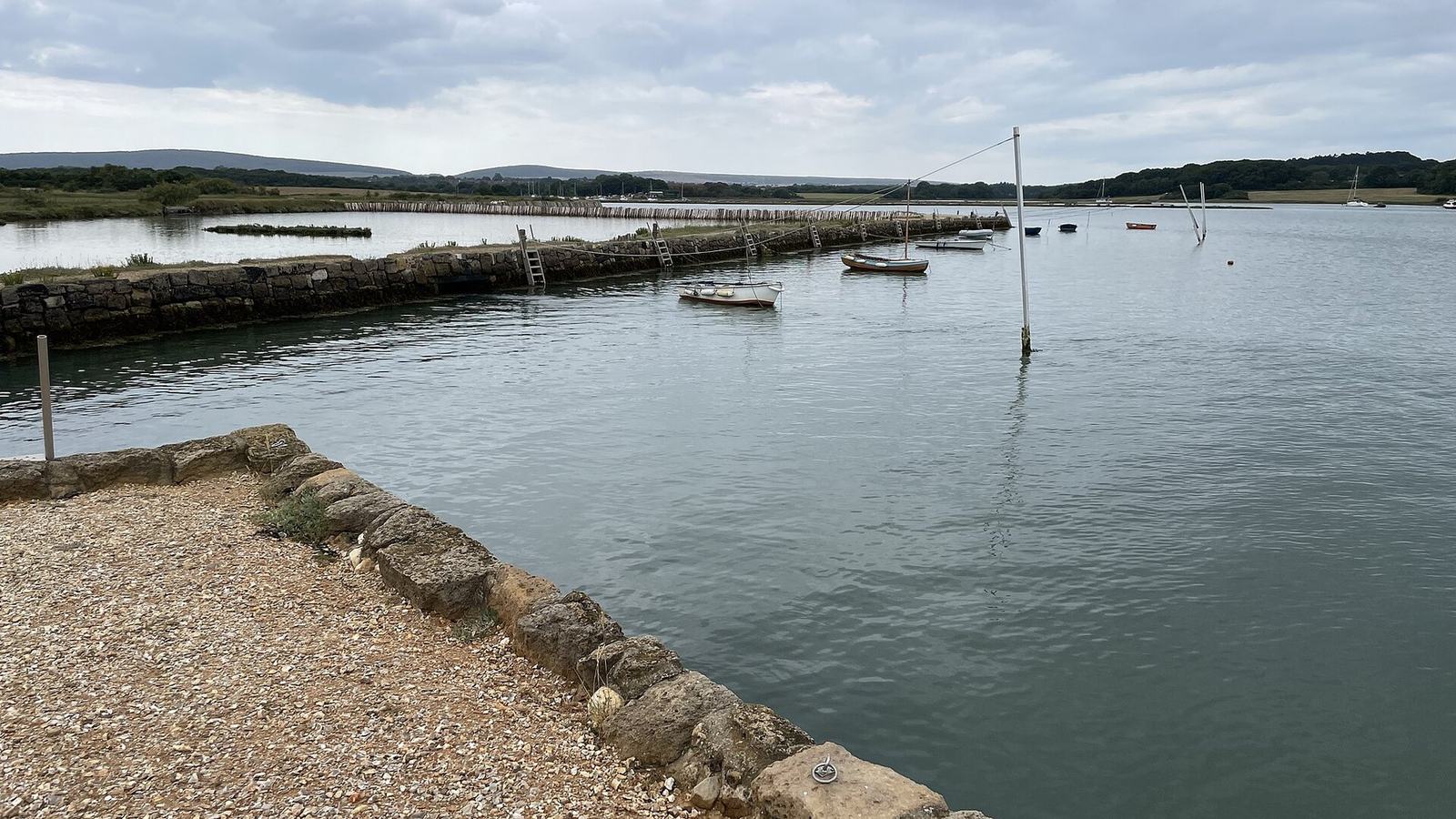
Newtown Harbour rewards a slower day afloat: considerate mooring, birdlife, sheltered creek exploration and careful tidal preparation.
A sheltered pause on the Isle of Wight
Newtown Harbour occupies a special position in the imagination of Solent sailors. It offers the quiet pleasures that make a short passage worthwhile: winding channels, moored boats, saltmarsh and a sense of separation from the busy routes outside. The National Trust cares for Newtown National Nature Reserve and describes the harbour as a place to enjoy from a visiting boat or by stopping for a while. For a small sailing cruiser, modest motorboat or kayak, that invitation is appealing, but it comes with a responsibility to respect a protected natural environment.
This is a destination to approach with flexible expectations. The attraction is not a line of restaurants or a packed waterside programme. It is the opportunity to stay still, observe wildlife and appreciate how the tides shape the estuary. Those same tides can narrow the usable water, reveal mud and alter landing possibilities. It is important to plan with current charts and local notices rather than rely on a photograph of a calm creek taken at a different height of water.
Understand the approach before you leave
Plot the passage from your departure harbour using the current chart, the forecast and reliable tidal data. Newtown sits on the north coast of the Isle of Wight, so even a relatively short crossing may involve Solent shipping, sailing traffic and wind against tide. Work out how long the open-water portion is likely to take at the speed your particular boat can maintain comfortably. A light boat slowed by chop can use more time and fuel than a neat line on an electronic display suggests.
The entrance and internal channels deserve patient pilotage. Consult official information for buoyage, depths, navigation restrictions and any temporary instructions. Do not treat a shallow waterway as a place to explore at speed or assume that an attractive patch of water is an unrestricted anchorage. A crew that has allowed a generous arrival window can reduce speed, observe the marks and choose a lawful berth or turning point without the pressure of an approaching deadline.
Choose the boat and crew for the day
A small trailerable motorboat offers flexibility, provided the skipper accounts for the conditions on the Solent before committing to the trip. A sailing cruiser may turn the crossing into part of the holiday, while a kayak outing should be planned from an appropriate nearby launch with a route suitable for the paddlers' experience. The fact that all three can enjoy a creek does not make their passages interchangeable. Exposure, operating speed, communications and how far the crew can travel after tiring are different.
Everyone should understand the intended destination and the conditions that would cancel or shorten the outing. Children and first-time guests are more relaxed when there is no implied obligation to reach a mooring regardless of the weather. Agree that the helm can turn back without debate. Good leisure boating is not the completion of an ambitious route at all costs; it is the thoughtful use of a vessel whose strengths and limitations are understood.
The pleasure of doing very little
Much of Newtown's charm lies in what is not there. Spend time watching the creek rather than rushing to tick off an attraction. As the tide moves, small boats turn on their moorings and the marsh margin changes colour and shape. Birds search the mud, wind moves through the grass and the view subtly rearranges itself. A pair of binoculars and a notebook can make a surprisingly absorbing afternoon, particularly for children encouraged to observe without getting too close.
This is also a good place to practise quiet competence. Make the boat secure, organise a simple lunch, keep the deck clear and sit where the crew can enjoy the view without obstructing a working area. If the weather allows, put away the engine noise and let the landscape set the pace. A destination does not have to be crowded with facilities to feel memorable. Sometimes the strongest reason to return is that it offered a pause from them.
Mooring is a responsibility, not a free-for-all
Before using a visitor mooring or an anchorage, check the latest instructions and any fees or length limits from the relevant harbour authority or National Trust guidance. A buoy might be privately assigned, intended for a particular class of vessel or unsuitable for your boat's displacement. Do not pick it up simply because it appears empty. Keep a clear approach, use adequate mooring lines and know how the boat will lie if wind and tide change during the stop.
Anchoring calls for equal care. Confirm that the spot is permitted, offers sufficient depth through the relevant part of the tide and leaves room for swing without intruding into a navigation channel or onto sensitive habitat. A chartplotter is helpful, but it does not show every mooring tackle or temporary restriction. If no safe lawful stopping place is available, continue to an alternative rather than squeezing into an unsuitable gap. That decision preserves both safety and goodwill.
Paddle with the marsh in mind
The National Trust provides a specific Newtown Harbour small-boat and canoe guide through its information about canoeing and paddleboarding. This is a valuable starting point for anyone who would like to experience the creek at water level. Paddling can provide an extraordinary feeling of closeness to the environment without a large vessel, but low freeboard and a slower cruising speed also increase exposure to wind, current and changing conditions. Read the guide before choosing a route.
A paddling group should remain small enough to manage and close enough to communicate easily. Wear the right buoyancy equipment, carry suitable means of calling for help and know where a tired person can get ashore legally. Avoid launching into an unfamiliar tidal flow merely because the water looks smooth. Wind may make the return considerably harder than the outbound trip. The best route is one the least experienced participant can complete with a comfortable margin.
Wildlife comes before the photograph
Newtown National Nature Reserve includes saltmarsh, mudflats, meadows and other habitats used by birds and wildlife. The National Trust's visitor information emphasises the natural character of this place. Stay clear of wildlife that is feeding or resting and be particularly cautious if birds are disturbed repeatedly by passing boats or people landing. A longer lens produces a much better memory than approaching close enough to force an animal to fly or move away.
Do not step onto sensitive ground simply to get a different view. Where shore access is permitted, use established routes and respect any seasonal signs or closures. Dogs need careful supervision, and their presence can affect wildlife even if they remain close to their owner. Take food waste and packaging back aboard. The reserve's value depends on many individuals accepting small limits on what they do; these limits make the quiet experience possible for future visitors.
Prepare a self-sufficient boat
There is no advantage in loading a little cruiser with unnecessary luxury equipment, but a protected anchorage is not a substitute for preparation. Wear properly fitted lifejackets or buoyancy aids as appropriate, have an agreed communication method and carry the safety equipment relevant to the boat and passage. Check the engine or sailing rig, charging state, fuel or energy reserve and bilge condition. Stow a warm layer and waterproof clothing even if the departure morning is sunny.
Food and drinking water matter more than they might on a marina-to-marina day. Facilities may be limited or distant from where the boat can safely stop, and returning ashore for a forgotten item can consume an unexpectedly large part of the tide window. Pack a compact first-aid kit, spare line, fenders, waste bag and a means of protecting phones and charts from spray. The most useful items are those you can locate quickly without emptying the whole locker.
Treat the return as the main decision
Many pleasant cruises become difficult after the visit, when the crew would like to stay for one more hour. Make a decision about departure time before you relax, and keep checking whether the forecast or tidal situation has altered. Consider the exposed section of water you must still cross, not just the calm appearance of the creek. If a developing wind or late afternoon sea breeze will make that section unpleasant, leaving early is a positive choice.
For those using a trailer boat, think through the launch site's closing arrangements, the state of tide at retrieval and whether parking or access has time restrictions. Paddlers should choose an exit that remains practicable at their intended return time. Do not count on a particular mooring or landing being available if a change of plan becomes necessary. Carry a genuine alternative in mind, and tell a responsible person your passage details and expected return.
A simple day to remember
An ideal Newtown visit might consist of an early, carefully timed departure, a calm arrival, an authorised stop and two or three unhurried hours aboard. If a suitable shore walk is possible, take it without disturbing the reserve; if not, enjoy the marshland from the cockpit. For many crews, there is more satisfaction in a good conversation, a picnic and a view of seabirds than in racing to a second destination. The journey has provided its own activity.
Before departure, consult the National Trust's current Newtown National Nature Reserve information, including its small-boat and canoe guidance, and check the appropriate harbour notices, charts, weather and tides. Regulations and conditions change, and this feature is a lifestyle guide rather than pilotage directions. Newtown rewards those who arrive ready to adapt. Travel lightly, move thoughtfully and leave the place as quiet as you found it.
Sources and picture credit
Primary guidance: National Trust. Further official information: reference 1; reference 2.
Lead photograph: Mr Ignavy / Wikimedia Commons, CC BY-SA 2.0; image resized and recompressed for web publication, shared under the same licence.

Source
National Trust