
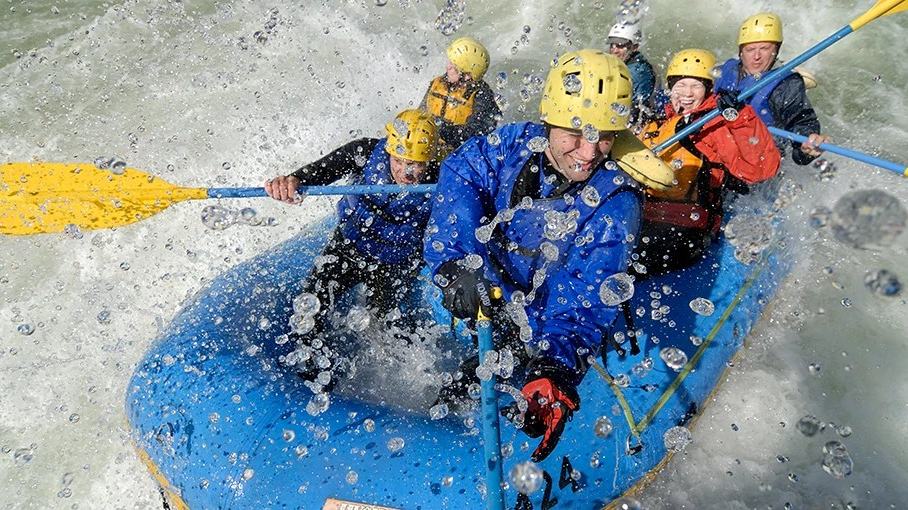
New River Gorge offers two markedly different river experiences, from longer upper stretches with easier rapids to powerful technical whitewater demanding experienced paddlers.
A famous river with two different characters
New River Gorge National Park and Preserve contains about 53 miles of the New River in West Virginia, a waterway renowned for scenery as well as whitewater. The National Park Service describes a distinct difference between the upper, southern reaches and the more demanding Lower Gorge. Visitors choosing a rafting trip should understand that distinction first, because the same river name can appear in advertisements for experiences with very different levels of physical challenge.
The upper section contains long pools and easier rapids, while the lower part narrows and develops powerful rapids among large boulders. The distinction is not simply a matter of getting a wetter ride. It has consequences for the guide, the craft, the required skill level and the consequences of a mistake. A careful choice can make the difference between a rewarding adventure and a trip inappropriate for the group.
What the upper river offers
On the upper New River, the park identifies a mixture of extended pools and rapids reaching approximately Class III. This section provides scenery, fishing and the possibility of longer journeys without the continuous concentration demanded by the Lower Gorge. Even so, Class III is meaningful moving water, and many casual holiday paddlers will be better served by a properly guided trip than by trying an unfamiliar river independently.
The range of routes allows a family or group to seek a calmer experience with moments of excitement, but the particular section and water level are critical. Discuss the expected rapids, the length of quiet sections and the available take-outs with the outfitter. A guide should explain what participants need to do in the boat and whether their age, swimming ability and general mobility fit the chosen trip.
The Lower Gorge is serious whitewater
Below Thurmond, the river becomes more technical, and the Park Service warns of strong currents, large boulders and rapids graded from Class III to Class V in the Lower Gorge. Undercut rocks and powerful hydraulics are part of the risk picture. This is not an area for inexperienced paddlers to enter simply because a photograph shows tourists smiling in an inflatable raft.
Visitors without advanced river skills should select a licensed commercial outfitter whose guides and equipment are suitable for the planned section. The safety briefing is an essential part of the experience, not an obstacle to the fun. Guests need to understand commands, seating positions, what to do if they fall out and how a rescue might work. Water levels can alter the difficulty dramatically, so an advertised grade is not a fixed promise.
Choosing a licensed outfitter
The National Park Service notes that commercial outfitters can arrange guided trips including equipment, instruction, transport and sometimes meals. This simplifies the complicated logistics of an unfamiliar river and gives guests access to experienced local knowledge. A responsible outfitter will help decide which section is appropriate and explain any physical requirements before payment or launch.
Questions worth asking include guide qualifications, maximum group size, provision of personal flotation devices and helmets, cancellation policy for unsuitable water and the plan for medical emergencies. Visitors should also confirm the timing and the difference between a short outing and a full-day expedition. Bringing the wrong expectations to a whitewater trip can make even a professionally run experience uncomfortable.
Cold water, fatigue and preparation
Water temperature and weather are as relevant as the excitement of the rapids. Participants should wear clothing recommended by the outfitter, secure glasses or loose belongings and avoid carrying anything that would become dangerous or difficult to retrieve if the boat overturned. A properly fitted flotation device is essential, and the crew should follow the guide's instructions when entering turbulent water.
Fatigue is another important consideration. Paddling through rapids requires repeated bursts of effort, while long days outdoors can leave guests tired before the most demanding stretch. It is sensible to be candid about previous experience, injury, health limitations and comfort in fast-moving water. An easier route chosen honestly is far more rewarding than a demanding route accepted because nobody wanted to appear cautious.
A river landscape worth taking slowly
New River Gorge is not only about the biggest rapids. The cliffs, forested slopes and changing perspective from water level are part of what makes the park special. On easier reaches, the river can offer time to observe the landscape, speak with a guide about local natural history and appreciate how the gorge has been shaped by water over immense periods.
Visitors who prefer photography, wildlife viewing or a relaxed introduction should make that clear when choosing a trip. Many commercial experiences are sold around adrenaline, but a calmer route can be just as memorable when the aim is to enjoy the national park. The most suitable programme aligns the river's conditions with the group's interest rather than pushing everyone toward the same demanding itinerary.
A safety-led approach to the gorge
The Park Service's advice makes it clear that independent river-running carries significant risk and should only be attempted by people with the right training and judgement. Checking current water levels, identifying access points and understanding the hazards of the selected section are non-negotiable steps. The river can usually be visited throughout much of the year, but the main commercial rafting season is broadly spring through autumn.
This article draws on the National Park Service's official whitewater information and an NPS-hosted rafting photograph. For a first visit, the best plan is to speak to a reputable local outfitter and select a route that fits the least experienced person in the group. New River Gorge is remarkable enough without treating safety as a secondary consideration.