
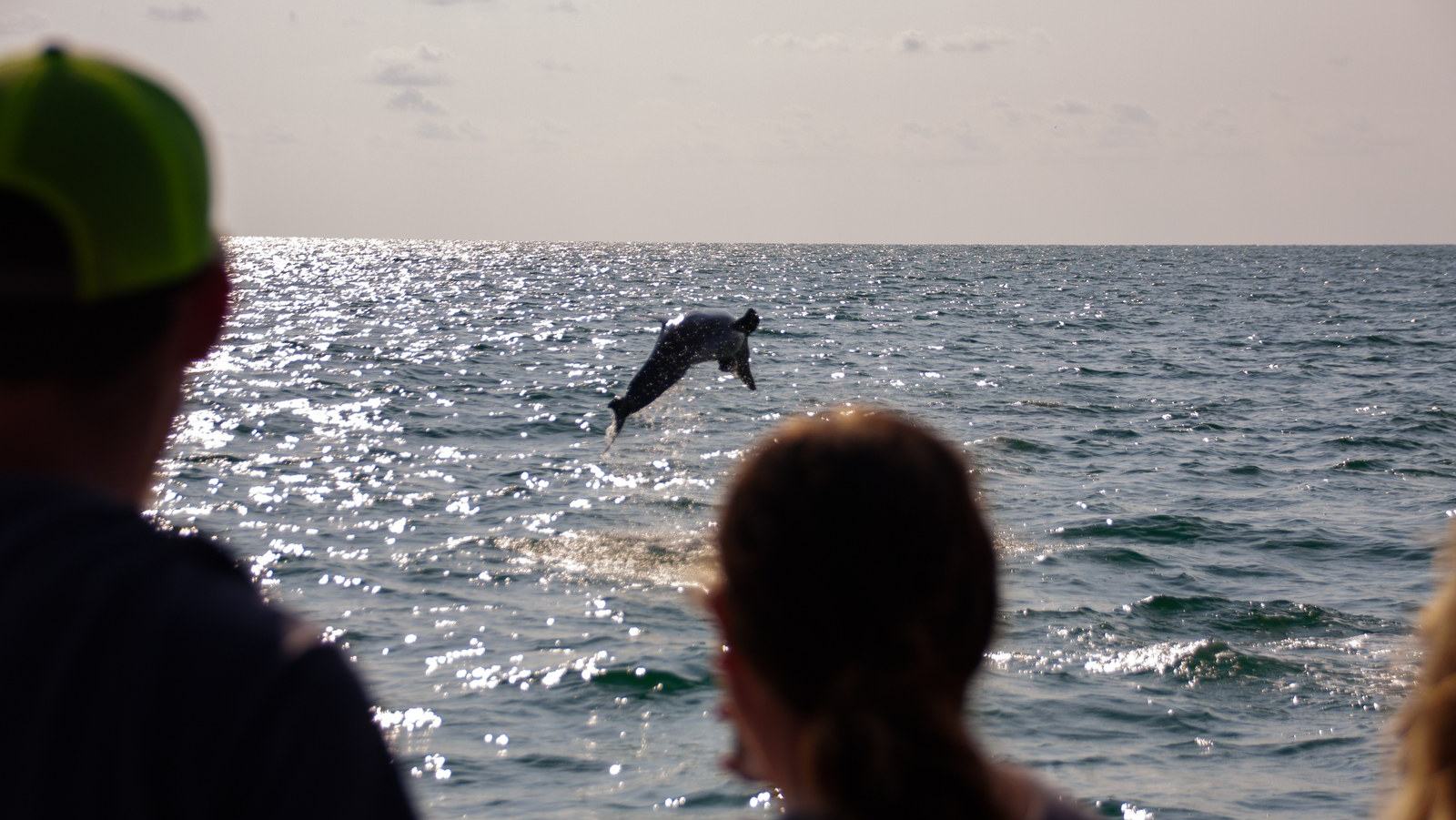
National Wildlife Refuge Week offers a reason to explore shorelines and wetlands by small boat, but low speeds and respect for protected areas are essential.
Wildlife is best experienced at its own pace
Autumn can be a rewarding time to look for birds and other wildlife around the edges of American lakes, estuaries and rivers. Migrating species pass through wetlands while shorter days give quieter waterways a different atmosphere. National Wildlife Refuge Week provides an invitation to appreciate places set aside for conservation, and Discover Boating's guidance offers practical ways for boaters to make a visit without disturbing the very habitat they came to see.
Small boats can approach shallow backwaters that a larger cruiser cannot enter, but access is not necessarily permitted everywhere. Refuge boundaries, seasonal closures and restrictions on motors or landing should be checked before launching. A good nature outing begins with understanding those rules and selecting a route that stays within clearly designated public waters.
Slow down near birds and sensitive shorelines
A powerboat travelling fast near a nesting or feeding area can generate noise and wake that disrupts wildlife or erodes a fragile bank. A relaxed pace helps passengers watch their surroundings and reduces the likelihood of startling animals. Paddling quietly may be especially suitable on approved calm-water routes where human-powered craft are welcome.
However, quieter propulsion does not give an automatic right to approach wildlife closely. Birds may abandon feeding or resting sites when repeatedly disturbed, even when visitors believe they are being careful. Binoculars and a camera with a suitable lens allow people to appreciate behaviour from a respectful distance without forcing animals to react.
The best route is often the shortest one
A short morning journey along a protected shoreline can produce excellent observations without requiring a long expedition. Select a known launching point, check water levels and choose a reasonable turning point that can be reached without entering restricted channels. Estuarine waters may be shallow, tidal or affected by submerged vegetation, making up-to-date local information important.
A guide or approved boat tour can be a good alternative for visitors unfamiliar with the refuge. Local operators often know where wildlife can be watched responsibly and can explain the ecological significance of a landscape. They may also help visitors avoid sensitive areas that are not obviously marked from the water.
Prepare for a cooler outdoor experience
Autumn wildlife outings can be cold even when the sun is shining. Layers, suitable flotation equipment and warm drinks help passengers remain comfortable while spending extended periods observing rather than moving. A waterproof camera case and binocular straps reduce the chance of dropping gear overboard, while a stable seated position is better than standing unexpectedly in a small boat.
Visitors should also carry a simple emergency plan and inform somebody ashore of their intended route. Remote wetland environments may have poor mobile reception, and the presence of attractive scenery should not encourage travelling beyond the experience of the crew. If wind or current strengthens, returning early is a responsible decision.
Leave the landscape as it was found
Conservation-minded boating involves keeping waste and loose equipment aboard, avoiding the discharge of fuel or other pollutants and respecting places where boat landings are prohibited. People should not collect plants, disturb nests or feed wildlife for photographs. Wildlife is most compelling when observed behaving naturally, and the same principles help preserve the environment for future visitors.
National Wildlife Refuge Week can become an annual reason for a thoughtful, low-impact outing, not an incentive to crowd protected places at once. Visitors should consult refuge-specific guidance for permitted activities and seasonal restrictions. With a gentle pace and modest expectations, a small boat can open a remarkable perspective on a landscape while leaving little trace.