
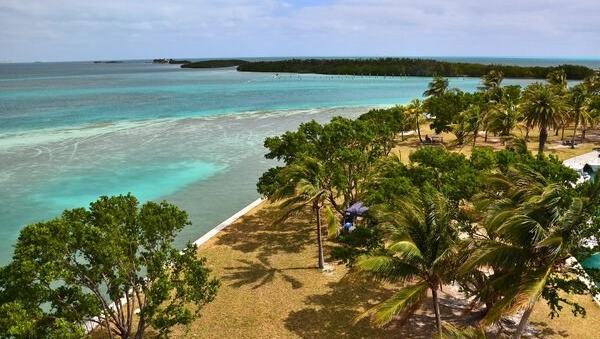
Several US national parks reveal a different side from the water, with sheltered mangrove routes, northern lakes and reservoir canyons accessible to small craft.
National parks look different from the water
America's national parks are usually associated with walking trails and scenic roads, yet several landscapes are defined by lakes, bays or rivers. Discover Boating's national-park guide highlights places where kayaking, small-boat trips or local tours can reveal coastlines that are difficult to appreciate from land. The right choice depends on the waterway: an easy mangrove paddle requires very different preparation from a journey on an exposed reservoir.
Visitors should consult the specific park's current regulations before arranging a rental or launching a private craft. Some areas require permits, restrict motors or close channels to protect wildlife, and a park boundary does not guarantee unlimited access. A shorter outing with a qualified local guide may provide more enjoyment than an independent journey beyond the crew's experience.
Biscayne's protected waterways in Florida
Biscayne National Park is largely marine, encompassing coastal waters, islands and sensitive underwater habitats close to Miami. A kayak or other suitable small craft can provide a quiet perspective on mangroves where access is permitted, while organised trips allow visitors to learn about the ecological role of the area. The landscape is beautiful precisely because much of it remains less developed than the adjacent urban coast.
Shallow seagrass and reefs can be damaged by careless anchoring or propeller contact. Navigation must follow appropriate charts and park guidance, with attention to weather and commercial or recreational traffic outside protected areas. Visitors should keep distance from wildlife and avoid treating clear water as proof that it is deep enough for their boat.
Voyageurs brings lake travel to the north
Voyageurs National Park in Minnesota is built around connected lakes and a history of travel by water. Small motorboats and paddling craft are useful for reaching designated parts of the park, with camping and scenic travel central to the experience. A family can plan a manageable daytime route or combine a journey with a permitted overnight stay.
Lake conditions change quickly with wind, and a small boat's passengers should be prepared for cold water even when the air feels mild. Routes may also cross into areas with limited communication coverage. Maps, navigation equipment and clear float plans are particularly important when the nearest road is some distance from the intended destination.
Glen Canyon offers a different landscape
Glen Canyon National Recreation Area spans desert reservoir country where steep rock walls and side canyons can make a small-boat outing memorable. Conditions and launch facilities depend on reservoir water levels, which may change substantially over time. A route that was accessible in one season may require a different launch or be unsuitable when the water has receded.
The scale of the reservoir should encourage conservative planning. Distance, exposure to wind and the scarcity of shelter can present challenges to an inexperienced skipper. Visitors should obtain current official access information and avoid relying on old travel photographs for navigation decisions or the location of a usable ramp.
Travel gently through protected landscapes
A national-park outing is most rewarding when the skipper prioritises the landscape rather than the maximum distance travelled. Slow movement can make it easier to observe birdlife, changes in geology and the textures of the shoreline. Good behaviour also includes following no-wake rules and keeping litter, fishing line and fuel out of the water.
Those visiting by rental boat should verify training, insurance and the route permitted by the operator. A local guide may offer a richer understanding of the park while handling the complexities of navigation. The essential pleasure is seeing familiar American landscapes from the water while protecting the places that make them worth visiting.