
A conservation-minded paddling guide to the two designated Müritz National Park canoe routes, Obere Havel and Alte Fahrt, with landings, permits and birdlife.
In northern Germany's Mecklenburg Lake District, Müritz National Park offers a very different paddling experience from a busy recreational marina. Wetlands, forests, reeds and waterways create a landscape where a canoe can feel wonderfully close to nature, but much of that nature is protected by strict access rules. The national park authority identifies only designated routes for water touring, including the Obere Havel and Alte Fahrt. These are opportunities for slow travel, not invitations to explore every attractive-looking channel. A visitor planning a trip should begin with the official route map and regulations, then choose a manageable stage where the boat can move quietly without disturbing birds and other wildlife.
Understanding the national park setting
The national park's official guidance says approximately fourteen per cent of its area consists of water, providing habitats for fish and waterbirds that are sensitive to disturbance. This helps explain why its waterways are not operated like an ordinary unrestricted boating lake. A canoe can appear harmless because it has no engine, yet even a quiet paddler can frighten birds away from feeding or breeding areas by approaching too closely. Enjoying the landscape responsibly means choosing established routes, keeping appropriate distances and avoiding unplanned diversions into reedbeds. The best trip is often one that allows a patient view from a designated channel instead of trying to enter every secluded bay.
Two recognised water-touring routes
The national park identifies two official water-touring routes, described as the Obere Havel and Alte Fahrt. Both are established options for canoeists and paddlers, with further route guidance available through the park's downloadable leaflet and map. Travellers should examine these resources before booking a rental boat, since some nearby waters have very different access rules. A route appearing as a blue line on a general mapping app is not proof that it is open to touring boats. The official permitted route is the basis for planning, especially where a side channel looks inviting but may lead into a protected area where recreational boating is restricted.
Why the Obere Havel appeals to paddlers
The Upper Havel is part of a network of waterways associated with forests, lakes and small settlements in Mecklenburg. Along an authorised paddling route, the landscape can change gradually from a narrow reach to a more open section, giving travellers the feeling of moving through a continuous natural corridor. This is particularly appealing for a canoe holiday because the enjoyment comes from observation rather than speed. The actual length and difficulty of a chosen stage should be obtained from the national park's current guide or a reputable local canoe operator. Conditions and permitted access may vary, and a published name alone is not a complete itinerary.
Alte Fahrt offers another approach
The Alte Fahrt is the other principal water-touring route identified by the national park authority. It provides an alternative for visitors selecting a route suited to their experience, accommodation and transport arrangements. Anyone unfamiliar with the area should ask a local outfitter about the precise start and end points, any portages and where landing is permitted. An established paddling route is not necessarily suitable for every beginner or every season. Water levels, wind on open sections and the practical distance between authorised resting places can affect how demanding the journey feels. The safer holiday is one organised around these realities instead of an ambitious map distance.
Protected waters are not interchangeable
The park's information makes clear that most other waters have strict restrictions, and it gives Feisnecksee as an example where use by rowing boats may be specifically distinguished from other craft. Visitors should not interpret that exception as a general invitation to tour every protected lake by canoe. A privately owned kayak, hired canoe, rowing boat and powered craft can be treated differently under local rules. The correct approach is to check the specific waterway and mode of operation with the authority or rental provider before launching. When the regulations are uncertain, remain on the clearly designated route rather than using the absence of a sign as permission.
Motorboats and sailing are restricted
The national park's visitor rules state that navigating its waters with motorboats, as well as sailing, surfing and diving, is prohibited in the protected areas covered by those rules. This is a significant distinction for owners who combine different types of boating on a regional holiday. Lake Müritz and the surrounding water network include areas outside the park with different arrangements, but a permit or hire for one area should never be treated as automatically valid inside the protected park. A canoe outing is appropriate only on its recognised routes, and a boatowner should study the official boundaries. Conservation rules take precedence over the convenience of taking a familiar craft wherever it seems possible to float.
Staying on the designated waterway
Canoeing encourages curiosity, especially when a narrow side channel appears to lead toward an isolated patch of woodland. Within a national park, curiosity should be balanced against the need to protect habitat. The official guidance emphasises using designated waterways and respecting limits on where the craft can travel. Avoid shortcuts through reeds and do not push into shallow pools to obtain a better photograph. A route that follows the legal channel can still provide excellent views of plants, birds and open water. Staying on it is not a compromise but part of the experience of visiting a carefully managed landscape.
Rules about landing ashore
The national park authority states there is a general ban on landing outside designated resting and camping areas. That restriction matters because a long canoe outing may tempt the crew to stop on an attractive bank when someone needs a break. Before departure, identify authorised stopping places and allow enough time to reach them comfortably. A short trip may be preferable for a group with children, rather than relying on informal stops whenever anyone becomes tired. Landing can damage fragile vegetation and disturb wildlife even when the crew intends only to eat lunch. The approved rest sites are designed to provide a better balance between visitor needs and nature protection.
Camping must be planned in advance
A multi-day canoe journey can be an appealing way to explore Mecklenburg, but overnight arrangements are not simply a matter of finding a quiet shoreline. The national park asks visitors to use official camping facilities, and the route leaflet includes information about permitted accommodation and boat rental services. Researching campsites before departure is therefore an essential part of the itinerary. A booking should account for paddling speed, wind and the group's ability to reach the site safely. If the plan depends on a long exposed stage, consider an alternative rather than leaving no margin for conditions. The most enjoyable overnight journey is one that ends at an authorised place without exhausting the crew.
Group size and organised events
The national park's guidance says organised group trips must be registered as events requiring a permit and indicates that group size should generally not exceed eight boats. That is an important planning detail for clubs, youth organisations or groups of friends booking a fleet of canoes. A casual family trip and a formal organised event may have different administrative requirements. Anyone arranging a larger outing should discuss it directly with the authority rather than splitting the same group into nominally separate bookings to avoid restrictions. A smaller group also makes it easier to keep a safe distance between craft and reduce disturbance to wildlife along narrow stretches.
Birds as an attraction, not a target
The park's watery habitats support species of birds that may be sensitive to the presence of people. A canoe permits slow and relatively quiet observation, but it should never be used to chase wildlife or enter an area that has been closed to protect nesting or feeding. Binoculars are an especially useful piece of equipment because they allow a paddler to remain at a distance. If birds become alarmed or repeatedly move away, the crew should avoid pursuing them. An experienced nature guide may help interpret what is being seen without disrupting it. The goal of wildlife watching is to observe natural behaviour, not to provoke a close encounter.
Wind and changing conditions
Even a quiet inland waterway can expose paddlers to difficult conditions when it opens into a broader lake. Wind can produce short, steep waves that reduce speed and make an open canoe feel unstable. The crew should know the forecast and understand which portions of the route are more exposed before committing to a full-day stage. Paddling with a tailwind can make the outward journey feel easier than the return. A touring canoe should carry suitable flotation, clothing and emergency provisions, and the route should include a realistic turnaround or stopping plan. The safest decision may be to shorten the journey rather than push on to a distant destination in deteriorating weather.
Renting a canoe with local advice
A reputable local canoe provider can supply more than the boat itself: the most useful assistance may be advice about legal routes, current water levels, authorised rest areas and shuttle logistics. Ask the operator to show the permitted stage on a map, explain any low bridges or portages and clarify which waterways must not be entered. A canoe sized for a family should be loaded with care, with luggage kept secure and clear of the paddlers' movements. First-time visitors should consider a short introductory session or guided journey. A beautiful landscape is much easier to enjoy when the crew is not uncertain about where it is allowed to go.
Care for equipment between lakes
The Mecklenburg region contains numerous connected and separate waterways, and paddlers may be tempted to move equipment between them during a longer holiday. Cleaning and drying hulls, paddles and footwear helps reduce the spread of unwanted organisms and protects local water quality. Rubbish should remain aboard until it can be disposed of properly, and the national park encourages reusable packaging where possible. These habits may feel routine, but they become especially important in a protected network of habitats. A small canoe has very little storage space, so the crew should pack carefully and make sure that waste can be secured without becoming a nuisance.
Combining paddling with time on land
The Müritz region also offers walking routes, forest scenery and towns such as Waren, which the German national tourism organisation promotes as a worthwhile destination for exploring the wider lake district. Combining a short paddling stage with a walk or a visit to a town can create a more balanced holiday than spending every hour afloat. It also provides an alternative when wind, rain or a route closure makes canoeing unsuitable. The park has visitor information services and a range of other nature activities that can enrich an itinerary. Choosing a flexible schedule shows respect for the landscape rather than treating water access as an entitlement regardless of conditions.
A different kind of boating freedom
Müritz National Park demonstrates that the pleasure of small-boat travel does not have to depend on unrestricted movement. The two recognised canoe routes provide a way to experience forest and wetland scenery while keeping sensitive areas protected. Visitors who plan around the Obere Havel or Alte Fahrt, use authorised landing places and observe wildlife from a distance can enjoy a genuinely distinctive journey. The most important preparation is to read the current national park map and regulations, then choose a craft and stage appropriate to the crew. Here, following the rules is not incidental to the experience; it helps preserve the quiet landscape that draws paddlers in the first place.
Sources and photograph attribution
Official destination and boating guidance: Müritz National Park Authority — Water Touring. Current access, rules, weather and reservations must be checked independently before travel.
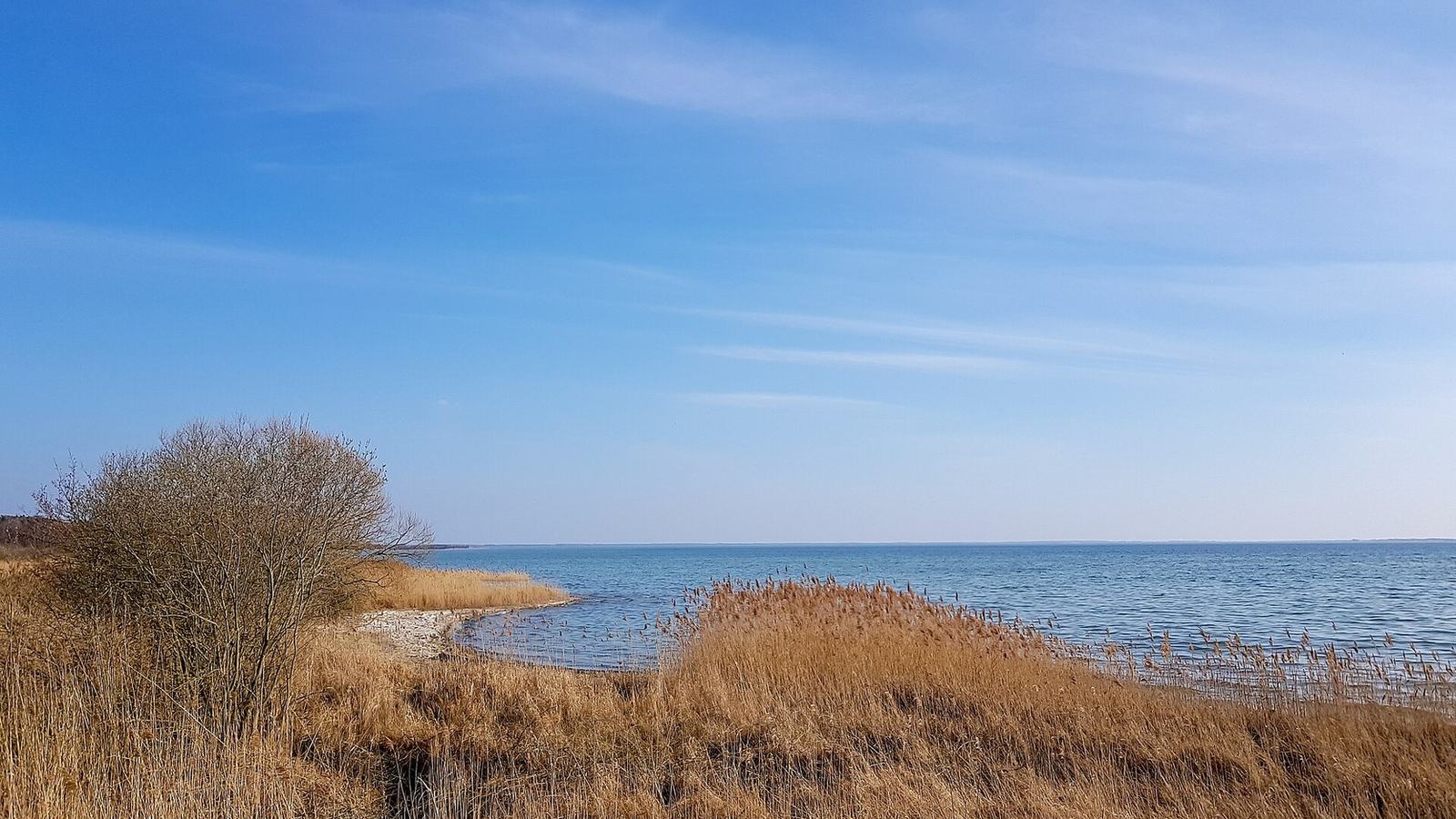
Photograph: Sven Segler — “Ostufer der Müritz im Müritz-Nationalpark.jpg” (CC BY-SA 4.0), via Wikimedia Commons. Resized and converted to JPEG for editorial display. Source: https://commons.wikimedia.org/wiki/File:Ostufer_der_M%C3%BCritz_im_M%C3%BCritz-Nationalpark.jpg. Licence: https://creativecommons.org/licenses/by-sa/4.0. Original rights remain with the credited creator or as specified by the source and licence.
