
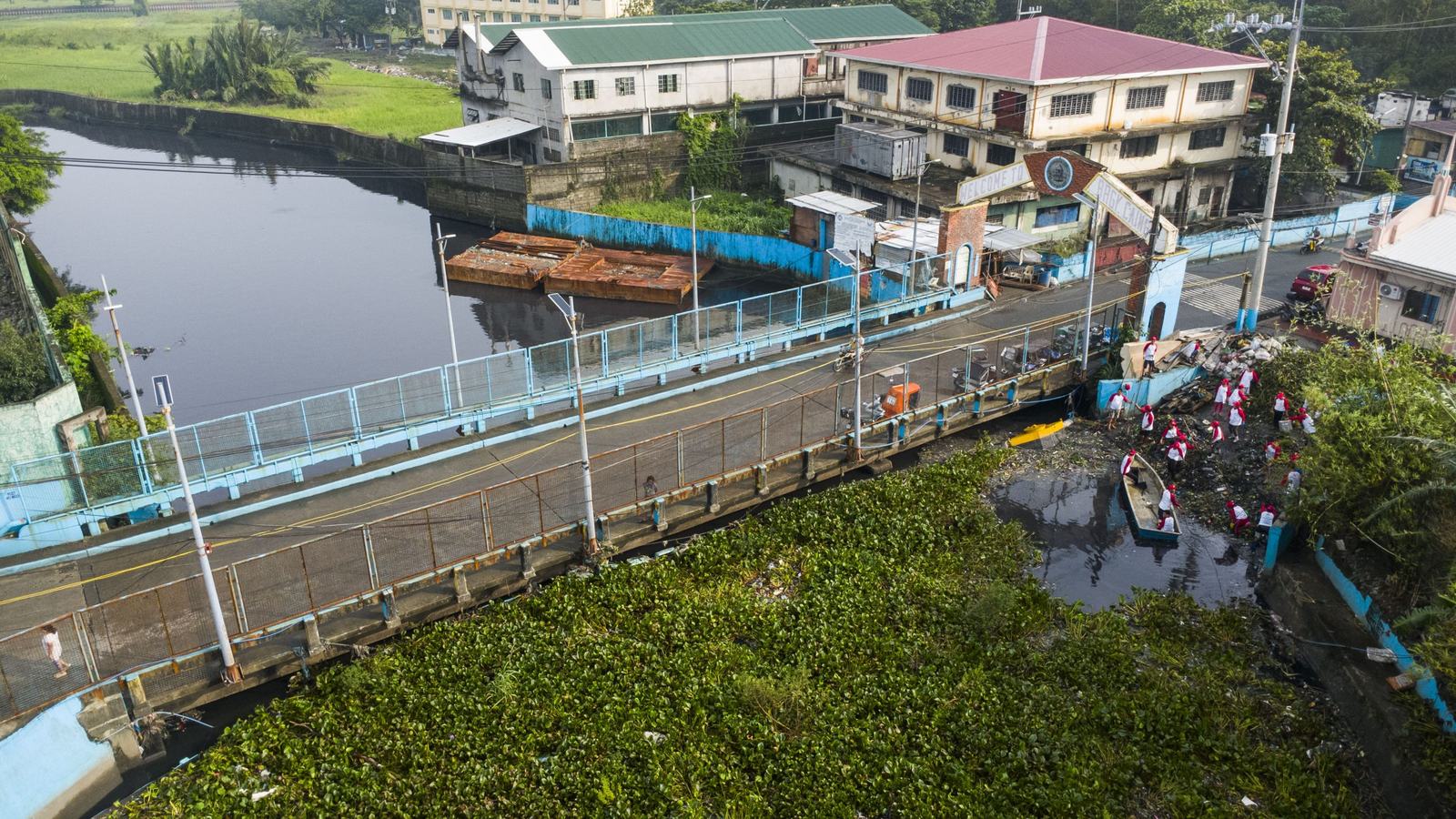
The Ocean Cleanup reports that Interceptor 028 is operating in the Philippines' Meycauayan River. We examine the early results, what the figures mean and why river litter matters to leisure boaters.
A river barrier with a wider destination
The latest development on the Meycauayan River in the Philippines starts far from the beach, but its intended destination is the sea. The Ocean Cleanup says its first operating Interceptor in the country is collecting floating waste before it can continue towards Manila Bay, creating a practical example of how coastal protection begins upstream.
The project is not a new gadget for individual boat owners, nor is it a substitute for reducing waste in the first place. Its importance for the leisure-boating community lies in the connection between streets, drainage channels, rivers and the stretches of water where families sail, fish and swim.
What has actually happened in Meycauayan
According to The Ocean Cleanup's announcement of 13 October 2026, Interceptor 028 has been undergoing testing in the Meycauayan River since 1 July and began extracting waste later that month. The nonprofit reports that the equipment has already removed more than 11 tonnes of material from the river while its local partners continue to monitor and refine its operation.
That figure needs careful interpretation because the accumulated material is not solely plastic. The organization says the barrier is holding a significant surge of invasive water hyacinths entangled with rubbish, a reminder that river-cleaning systems must handle changing conditions and mixed debris rather than neat, laboratory-style streams of recyclable bottles.
Why Manila Bay matters to boaters
Meycauayan is one part of a larger drainage network feeding Manila Bay, where floating litter can move across waterways that support working boats and recreation alike. The Ocean Cleanup estimates that between 370 and 540 tonnes of plastic travel through the Meycauayan river system and into the bay each year, based on its modelling and survey work.
For Manila's wider network of rivers, the group's Smart River Survey puts annual plastic transport into the bay at between 3,500 and 4,400 tonnes. Those are estimates of transport, not a promise of what this single new installation will capture, but they explain why upstream interception could be relevant to the health and enjoyment of coastal waters.
An improvement over the previous trap
The Meycauayan installation replaces a municipal waste trap that was already operating on the river. The nonprofit says the new system has increased collection capacity and efficiency, although the announcement does not supply an independently verified percentage improvement or a final year-long operating result.
That distinction matters when evaluating environmental technology. An early operational milestone is encouraging, yet sustained performance depends on how frequently the collected waste is removed, whether the equipment works during floods and how safely the recovered material is handled after it reaches land.
The people and machinery behind a cleaner channel
The city's environmental office is involved in the testing and optimization, with the collection system integrated into local management rather than presented as an isolated demonstration. The Ocean Cleanup identifies the City Government of Meycauayan and its City Environment and Natural Resources Office as its operating partners.
For visiting boaters, the wider lesson is that keeping a waterway attractive requires everyday infrastructure as much as occasional volunteer cleanups. Local crews have to inspect equipment, clear vegetation, sort difficult waste and maintain routes for safe movement along the water.
Water hyacinths complicate the picture
The reported buildup of invasive water hyacinths shows why an environmental success cannot be measured only in recovered plastic bottles. Vegetation can catch packaging and other rubbish while creating a floating mass that is harder to manage than either component by itself.
Boaters may encounter mixed mats of vegetation and waste near river mouths, marinas and sheltered banks in affected regions. The sensible response is to give such obstructions room, avoid driving through them and report hazards to the relevant waterway authority instead of attempting an unsafe retrieval from a moving vessel.
What individual crews can change
A leisure boat's contribution is comparatively modest, but simple habits make the same upstream-to-sea connection in miniature. Securing loose packaging, checking bins before departure and keeping lightweight items away from the slipstream all reduce the risk of accidental loss overboard.
Skippers can also plan for waste storage when shore facilities are limited and bring damaged lines, food wrappers and disposable containers back to an appropriate disposal point. These practices do not replicate an Interceptor's capacity, but they stop avoidable litter from entering the system at all.
A responsible day at the marina
Marinas and clubs can help by making clearly marked waste points easy to find and encouraging members to secure gear on pontoons. Organised shore-based litter collections may be appropriate where local authorities permit them, particularly around storm drains and sheltered corners where light packaging gathers.
It is worth keeping cleanup enthusiasm separate from navigation and personal safety. Crew members should never reach for debris near propellers, fast currents or traffic, and unfamiliar contaminated material should be left to properly equipped teams.
A programme designed to scale
The Meycauayan work is part of a wider effort in the Manila Bay area rather than the final word on pollution there. The Ocean Cleanup says it has an agreement with the Philippine government to deploy additional Interceptor solutions across the region, giving the project potential significance beyond one municipal stretch of river.
As of its October announcement, the organisation reported removing more than 65 million kilograms of rubbish from aquatic ecosystems worldwide. This cumulative global total includes material from different projects and places, so it should not be confused with the 11 tonnes reported from this particular Philippine installation.
The environmental result to watch next
The meaningful next measure will be consistent collection over different seasons, accompanied by transparent reporting of what is retrieved and how the river responds. It will also be useful to see whether better interception is paired with prevention, collection services and local education that reduce waste before it reaches the banks.
For the boating community, Meycauayan offers a clear illustration of shared responsibility across a watershed. Cleaner coastal cruising grounds are influenced by choices made well inland, and progress is strongest when engineers, local authorities, waterfront businesses and individual crews each address the part they can control.