
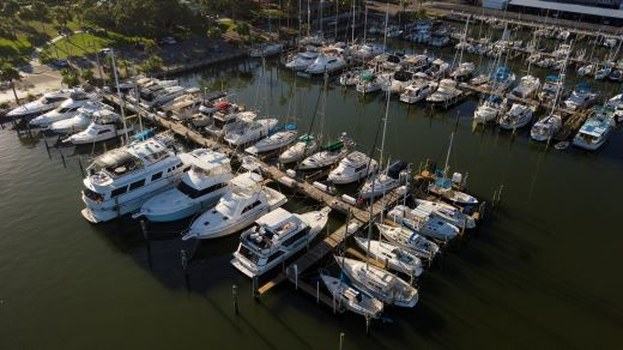
Discover Boating highlights practical marina-safety habits covering lifejackets, slippery docks, electrical connections and secure mooring.
Start with the basics
Marinas can feel safer than open water because everything is close to shore. In reality, wet docks, moving boats and deep water create risks that deserve attention.
Children should be supervised closely around docks and should wear suitable lifejackets where appropriate. Walking rather than running becomes important on wet or uneven surfaces.
How to make it easier
The marina layout is worth learning before an emergency. Knowing where ladders, extinguishers and first-aid equipment are located can save valuable time.
No-wake rules protect both people and property inside tight marina basins. Excess wake can throw someone off balance or damage boats against their fenders.
Where mistakes happen
Shore-power connections need proper marine equipment and dry, secure fittings. Damaged cords or improvised adapters should never become part of normal marina life.
Docklines and fenders should be checked as weather and water levels change. A boat that was secure in calm conditions may need adjustment later.
Why it matters to LBG readers
For LBG readers, the marina is part of the boating environment rather than simply a parking place. Safe habits there protect both crew and boat.
Most marina safety is ordinary awareness repeated consistently. That makes it easy to build into every arrival and departure.
Source
Discover Boating