
A practical guide to Florida's Lower Suwannee River for small-boat visitors, covering wildlife refuge access, estuary cruising and safe river navigation.
A blackwater river meets Florida's Gulf coast
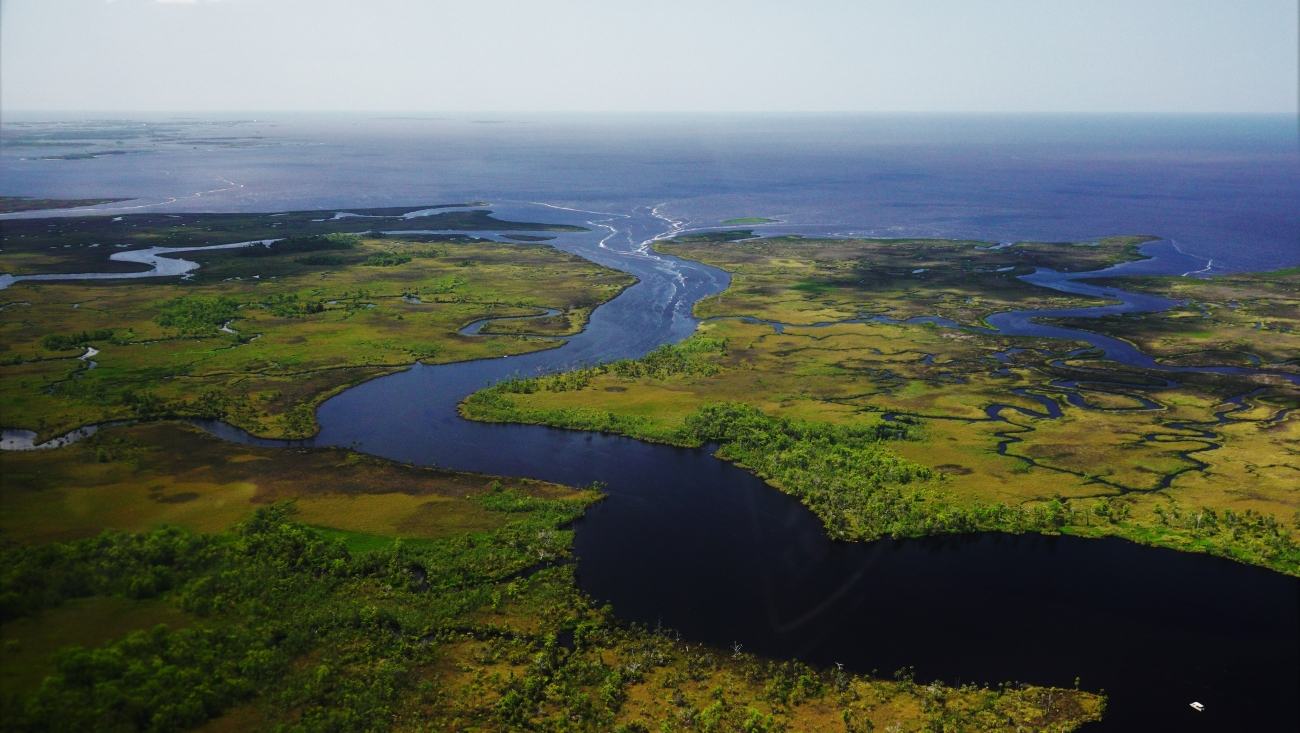
The Lower Suwannee is a distinctive destination for boaters who prefer a quiet river landscape to a crowded marina. Dark, tannin-stained water winds past forest, wetlands and wildlife habitat before opening toward the Gulf coast. A small motorboat with a shallow, predictable draft can give a memorable view of this changing environment, provided its skipper treats the river as a working navigation challenge and not as a theme-park waterway. The appeal is in the slow transitions between shaded banks, broad bends and the tidal edge of the coast.
The U.S. Fish and Wildlife Service describes the Lower Suwannee National Wildlife Refuge as an area protected in part for the river's water quality and the estuarine habitats it supports. The river corridor attracts birds and other wildlife, while fishing and boating are among the recreational activities allowed under refuge rules. That combination makes it rewarding for visitors who arrive well prepared. It also means the environment deserves more restraint than a typical watersports outing.
The Suwannee is not a lake with uniform water levels, and the Coast's tides interact with changing river flow near its mouth. Weather, rainfall, submerged logs and narrow channels can alter the day substantially. Captains should use local navigation information, current weather and up-to-date advice on launches and access before committing to a route. A low-speed excursion with space to turn back will often be more enjoyable than an ambitious passage designed only to cover miles.
Choose an access point to suit the boat
The Fish and Wildlife Service's visitor information identifies the refuge as a place for boating and points visitors toward its roads, trailheads and facilities. One named boating access is Shired Island, but that does not mean the same ramp suits every vessel or river itinerary. The correct launch depends on the size and draft of the boat, trailer access, road conditions and the intended waters. A skipper should verify the current status of any launch with its manager instead of relying on an old entry in a navigation app.
Elsewhere along the Suwannee, Florida State Parks describes the broader Suwannee River Wilderness Trail as a network of river communities, camps and state parks, with access points for canoes, kayaks and other suitable craft. Some stretches involve shoals, current or obstructions and are primarily paddling routes rather than practical motorboat passages. A route that works beautifully for a canoe may not be navigable by a powered boat. Checking the segment is more important than knowing the river's total length.
A small-boat outing should begin with a careful equipment check. The crew needs an engine in good condition, enough fuel with a reserve, navigation lights where required, properly sized life jackets, a charged communications device and a credible way to summon help. The return plan should allow for the possibility that an upstream headwind or tidal current will make the second half of the journey slower. In a river environment, planning for the recovery is every bit as important as the launch.
The refuge as a wildlife-viewing destination
The lower river and its wetlands provide habitat for herons, egrets, shorebirds and other species that reward patient observation. An early outing may offer quieter water and stronger opportunities for photography, although the safest departure time depends on current conditions and the chosen launch. A pair of binoculars can be more useful than a long lens when birds are feeding among the reeds or perched far back from the channel. The most comfortable experience comes from giving them space and waiting for natural behaviour.
The refuge also protects complex aquatic habitats, including areas used by fish and other river life. Boaters should minimise wake close to fragile banks and never drive through vegetated shallows merely to shorten a journey. Wildlife refuge regulations are not identical to the rules on every other stretch of the river. It is important to check current permitted activities, fishing requirements, landing restrictions and protected areas directly with the Fish and Wildlife Service and Florida authorities.
A careful skipper will avoid sudden throttle changes when wildlife appears. Photography from a stable, appropriately distanced boat is often safer than attempting to land on an unknown bank or pursue an animal along the shoreline. Guests can enjoy the sound of birds and the movement of the river without needing close encounters. The resulting trip has the character of a small nature expedition rather than a chase for the next photograph.
A changing river from freshwater toward the estuary
One of the most interesting parts of the Lower Suwannee experience is the gradual change in the river itself. Freshwater habitats give way to a coastal environment influenced by salt water, tides and broader estuarine channels. The Fish and Wildlife Service highlights the importance of the river's discharge to the Gulf and its feeding grounds for waterbirds. From a small boat, the changes can be subtle: a different vegetation line, a wider horizon or bird species associated with the coast.
That changing environment calls for attention to depth and weather. A river section that seemed sheltered beneath trees may open into wind and short waves near the Gulf. Shallow margins can shift with rainfall, silt movement and tidal stages, and an unfamiliar passage should never be approached on the assumption that the channel is deep everywhere. The navigator should favour verified routes and be ready to reverse course if conditions no longer match the vessel's capabilities.
An attractive option for a first-time visitor is a short excursion focused on one well-known section, with time to stop the engine safely and take in the scenery. More ambitious boaters can consider a longer river-to-coast itinerary only after examining their actual boat's range and draft, local charts and available emergency shelter. The reward of the landscape does not depend on reaching the Gulf in a single day. A well-chosen stretch of blackwater river can be a destination in itself.
Springs, heritage and the wider Suwannee experience
Farther upstream, the broader Suwannee corridor connects state parks, spring-fed tributaries and places of regional history. Florida State Parks highlights the Suwannee River Wilderness Trail as a way to explore these communities and their natural setting, frequently by canoe or kayak. There are appealing opportunities to combine a boating outing with a separate land-based visit, but driving between sections may be wiser than attempting to motor through every reach. Waterfalls, shoals and restricted access can make the river less continuous for powered recreation than a map suggests.
Suwannee River State Park, for example, sits near the confluence with the Withlacoochee River and preserves historical reminders of the region's past. The park's official notices currently describe closures affecting part of its visitor infrastructure and the campground during improvement work. These notices should be checked shortly before a trip rather than copied into a permanent itinerary. A river holiday can still be enjoyable when one attraction is closed, provided visitors have planned alternative stops and do not expect all facilities to operate normally.
Visitors interested in springs should remember that water temperature, currents and seasonal conditions vary widely. A spring run that looks inviting from a photograph may have different access rules from the main river. Swimming or snorkelling belongs only in appropriate locations after checking the current regulations and conditions. The safest plan offers choices: a boat trip for wildlife viewing, a separate trail or museum stop ashore and enough time to finish before the day's weather becomes uncomfortable.
Practical guidance for a responsible river escape
The Fish and Wildlife Service states that the outdoor areas of Lower Suwannee National Wildlife Refuge are open for suitable recreation from sunrise to sunset, with camping and overnight parking restricted on refuge land. That distinction matters if a visitor is considering an overnight boating trip: being allowed to travel on a waterway does not grant permission to pitch camp on a protected shoreline. Use authorised campsites or accommodation outside the refuge, and confirm what is permissible at any intended landing.
Pack drinking water, sun protection, insect protection, dry storage for valuables and a way to manage rubbish until it can be disposed of properly. Small vessels should not count on finding fuel, food or a phone signal along the bank. Florida's heat can be intense even when the breeze feels comfortable on the water, and storms can develop quickly. A simple float plan shared with someone ashore, including the route and expected return, is an easy safety measure that greatly improves the journey.
The Lower Suwannee offers a kind of leisure boating that deserves more attention: slower travel through an extraordinary natural corridor where the destination is often the view around the next bend. By respecting refuge rules, choosing a route that suits the actual boat and giving wildlife and riverbanks room, visitors can enjoy that experience without adding to the pressures on the habitat. There is no need for a full day of high-speed cruising when the best moments may arrive at idle speed with the engine barely audible.