
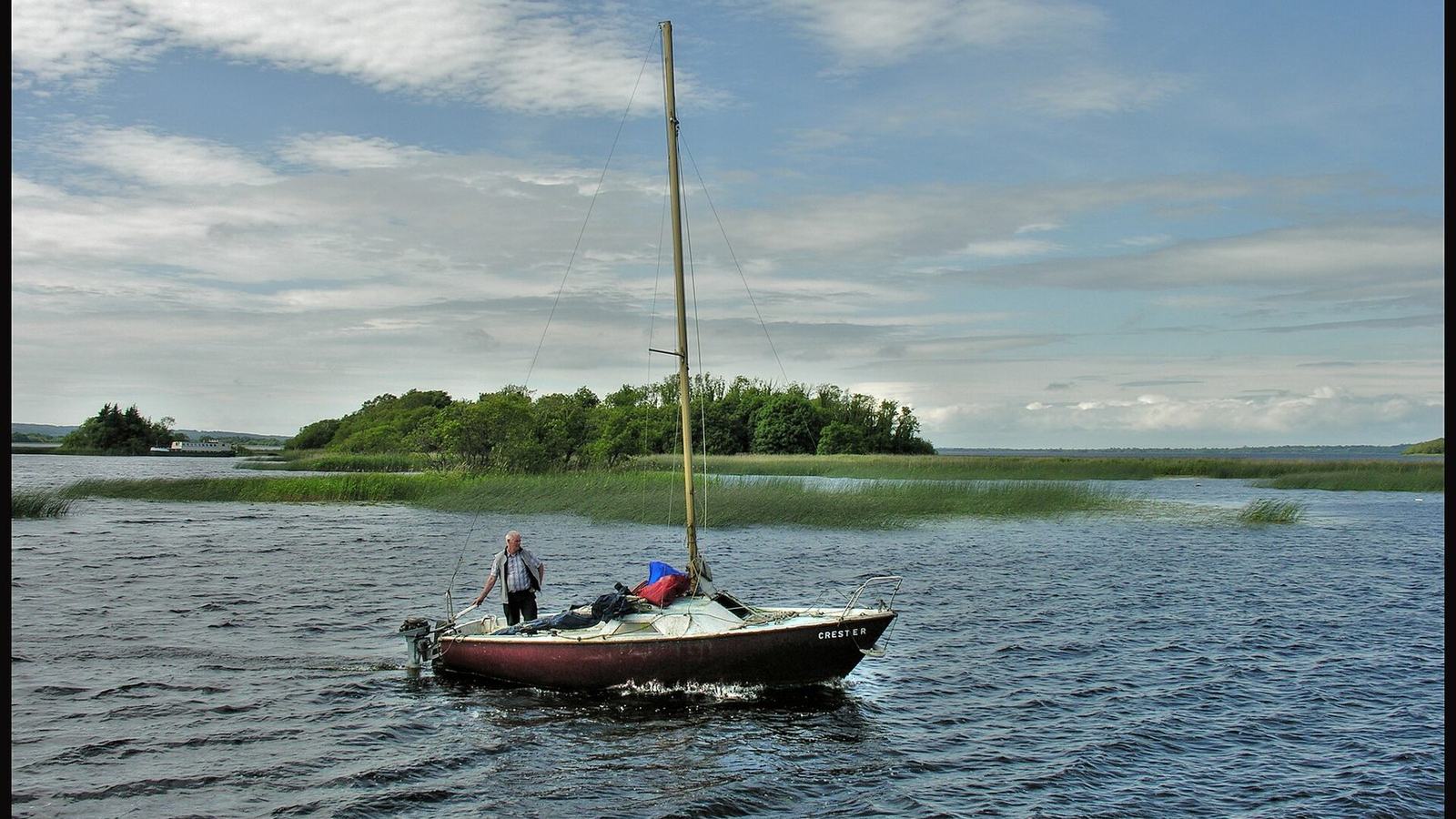
A focused guide to sailing, paddling and compact-boat cruising on Lough Derg, where sheltered shore plans and lake weather matter more than distance.
A lake that invites a slower itinerary
Lough Derg is part of Ireland’s Shannon Navigation, yet a small-boat visit here feels different from travelling a river from lock to lock. On the open lake, the meaningful decisions are about wind, exposure, the shape of the shoreline and where a modest craft can safely stop. Waterways Ireland promotes the Lough Derg Blueway for paddling and other activities and identifies boating possibilities across the wider Shannon system. That makes the area attractive to sailors with dinghies, small powerboat crews and visitors who want to try a kayak. The pleasure is not in completing a particular mileage target. It is in choosing a stretch of water that suits the boat, the weather and the people aboard.
Choose a vessel for the day you want
An open sailing dinghy, a compact displacement cruiser and a kayak can all create memorable experiences on Lough Derg, but they do not share the same operating limits. A dinghy lets its crew respond directly to wind and sail trim; a small cruiser offers more shelter and may support a relaxed stop at an established waterside community. A kayak allows close contact with a sheltered shore but is particularly vulnerable to changing weather and wind. Pick the craft after understanding the group’s skill, fitness and appetite for exposure. First-time visitors should consider instruction or an established hire operator who can describe suitable operating areas and current access arrangements.
Waterways Ireland is the essential starting point
Waterways Ireland maintains the Shannon Navigation and publishes information for boat owners and visitors. Before a trip, check its current boater guidance and any Marine Notices affecting navigation, work sites or local facilities. Do not rely on an itinerary written years ago to confirm a landing, berth or service remains usable. If bringing a privately owned craft, establish applicable registration, insurance, navigation and operating requirements in advance. Visitors hiring a boat should ask whether licences and safety equipment are included. A short outing on inland water can feel informal, but the waterway is administered, shared and subject to rules that make it safer for everybody.
Do not underestimate open-lake weather
The biggest mistake is to equate a lake with consistently sheltered water. Wind travelling across an open reach can build a short, uncomfortable wave that strikes a small powerboat or dinghy very differently from a larger cruiser. Check the latest lake-area forecast, including gusts, visibility and the possibility of showers or thunderstorms, before launching. Consider the return direction as carefully as the outward leg. A sheltered bay may conceal the force of wind farther out, so a test near the departure point is not an adequate forecast. Establish an early turnaround time and identify a safe alternative if conditions change. The person at the helm must be prepared to cancel.
A first sail built around one sheltered reach
For a newcomer, the most satisfying plan is a short out-and-back sail in an area recommended by a competent local club or instructor. Rig ashore where permitted, check that all lines run freely and agree on the capsize and recovery plan before leaving. Start with a modest upwind leg if the weather and area suit it, leaving an easier return when everyone is tired. Explain to passengers that dinghy sailing involves moving body weight and keeping clear of the boom. Set a time to return while energy remains. You do not need to cross the lake to experience Lough Derg as a sailing destination; learning the rhythm of one reach may be enough.
Small motorboats and thoughtful speed
A compact motorboat can cover more shoreline in a day than a rowing boat, but that should not turn every passage into a fast run. Approach marinas, moored craft, anglers and sensitive shoreline at low speed, maintaining adequate control and limiting wash. Find and follow all applicable posted restrictions and local navigation directions. A boat on the edge of planing may throw a larger wake than its driver realises. Check the depth and charted route before leaving a main navigation area, because a tempting shortcut near shore can be shallow or otherwise unsuitable. Build in time to slow down and enjoy places instead of forcing the route to fit a schedule.
Discovering the Blueway from the water
The Lough Derg Blueway is promoted by Waterways Ireland as an opportunity for kayaking, canoeing, paddleboarding and related exploration. It makes a useful framework for finding activities that are suited to smaller human-powered craft. The word Blueway does not mean that every bank is a public launch or that every route is appropriate for all skill levels. Check the activity provider’s specific advice, the current weather and access conditions before setting out. Paddlers should select a sheltered course with an identified return point, suitable flotation and a way to contact help. They should remain visible to larger vessels and avoid lingering in channels where manoeuvring room is limited.
Waterside villages as a shore-side reward
A boat trip is more memorable when the shore stop has a purpose. Rather than compiling a long list of places to visit, choose one community or established mooring area that offers access suitable for the craft and the day’s conditions. Confirm berthing arrangements and opening hours directly; do not assume a visitor pontoon is available merely because one appears on an online photograph. A short walk, a local meal or time sitting beside the water can be a worthwhile destination. For a small-boat crew, returning ashore before everyone becomes tired is part of the pleasure. The lake should set the pace, with shore visits providing an enjoyable pause.
Fishing and boating share the same water
Anglers, sailing clubs, paddlers and cruisers may occupy the same attractive edges of Lough Derg. A powered vessel should slow early when approaching a fishing boat, keep a clear distance from lines and never intentionally create wash. A sailing dinghy should anticipate that another user may be focused on tackle or a paddle stroke rather than spotting a sail approaching. Give all craft room to turn without forcing them into shallow water. Avoid anchoring in a marked channel or any area where local rules prohibit it. Respect wildlife and keep waste onboard for proper disposal. Good etiquette makes a relatively small inland boating community feel welcoming rather than crowded.
Equipment appropriate to a small craft
Prepare for a cool, wet Irish day even when the forecast begins brightly. Everyone should have a properly fitting personal flotation device appropriate to the activity, and the boat must carry the safety gear required by its classification and use. Pack dry layers, water, a waterproof communication method and a navigation reference that can be used if visibility falls. An open boat may need bailer, paddle and a suitable means of recovery; a small motorboat needs dependable propulsion, fuel reserve and working steering. Check battery power and the condition of any towing or launch equipment. Make sure at least one person ashore knows the intended area and return time.
Using a launch or marina well
A shared inland ramp can become congested on a fine weekend. Complete rigging, loading and safety checks away from the active slip whenever possible, then launch promptly and move to a safe waiting position. Avoid leaving gear or a trolley in the approach used by other boaters. If hiring, listen to the operator’s instructions about boundaries, return procedures and what to do in difficult weather. Check the latest mooring charges, facilities and access rather than relying on assumptions. When you come back, move the boat off the ramp before packing everything away. Courtesy saves time and reduces tension at exactly the place where inexperienced skippers can feel most exposed.
The value of one well-chosen afternoon
Lough Derg is large enough to tempt ambitious plans, but the memorable outing may be a simple afternoon sailing a sheltered reach, paddling a suitable Blueway section or travelling slowly to one permitted berth. The best preparation combines Waterways Ireland’s current information, a conservative local forecast, a craft suited to the crew and a genuine return option. Keep enough flexibility to change plans without treating that decision as a failure. By approaching the lake as a destination in its own right, rather than just another stage of the Shannon, small-boat visitors can discover the distinct pleasure of open water framed by a green Irish shore.
Make the return as enjoyable as the departure
Before leaving the berth, decide what conditions will trigger a return: rising wind, tired crew, poor visibility, engine trouble or simply a schedule that is becoming tight. Identify an alternative safe destination for an unexpected problem and ensure the crew knows where essential equipment is kept. On the return leg, keep watching for paddlers or small craft silhouetted against the shore, and allow extra space while manoeuvring near pontoons. A skipper who arrives calm and with time to spare leaves everyone with a better impression of the trip. That is the enduring attraction of Lough Derg for leisure boats under twelve metres: the itinerary can be modest while the experience feels generous.
Sources and photograph credit
Research and visitor guidance: Waterways Ireland Lough Derg Blueway; Waterways Ireland Boating; Waterways Ireland boat-owner information. Photograph: Lough Derg - panoramio.jpg, Petr Kraumann, Wikimedia Commons, licensed under CC BY 3.0. Photograph illustrates the named lake; no vessel, marina or tour provider is being advertised.