
A western Ireland passenger-cruise guide to Lough Corrib, Oughterard and Lisloughrey departures, Inchagoill island heritage, varied vessel types and safe boating.
An Irish lake with a working cruise tradition
Lough Corrib stretches through the countryside of Counties Galway and Mayo and offers one of Ireland's most engaging inland-boat experiences. A passenger cruise provides a way for visitors to explore its islands, observe wildlife and learn about historic sites without navigating an unfamiliar lake in a privately hired craft. The official Discover Ireland destination guide identifies cruises and angling as important activities, while Corrib Cruises publishes first-party information about voyages departing from places including Oughterard Pier and Lisloughrey Pier.
The lake is attractive precisely because it feels unlike an organised urban waterfront. Its many islands, changing shorelines and varied navigation hazards make local knowledge valuable. A visitor should distinguish between a scheduled sightseeing cruise, a guided small-boat excursion and operating their own vessel. Each offers a different degree of independence and responsibility, and none should be chosen solely on the basis of a photograph of calm water.
The starting points at Oughterard and Lisloughrey
Corrib Cruises identifies Oughterard Pier and Lisloughrey Pier among the departure points in its public programme. These are meaningful details for travellers who may be staying in different parts of the region. A pier named in an operator's itinerary should not be confused with a claim that every scheduled departure uses it. Confirm the specific cruise, date and meeting location before travelling, and allow time to find parking and reach the embarkation point.
A sensible passenger day begins ashore. Ask about the boarding time, whether an advance reservation is necessary and what the policy is for adverse weather. A lake cruise can be an enjoyable part of a broader holiday in the west of Ireland, but it is not wise to arrange several non-refundable activities back-to-back when the water journey may be delayed or modified for operational reasons.
Inchagoill as a distinctive island stop
Inchagoill Island features prominently in the cruises described by the operator. Its appeal is not just the view from the boat: the island has an ecclesiastical heritage that makes a shore visit a different kind of experience from a continuous scenic cruise. Visitors may encounter historic stonework and traces of the island's religious past, but access should be arranged through an appropriate service rather than assumed from a passing glimpse of the shore.
If a booking includes an island landing, ask how long passengers will spend there, what ground conditions to expect and whether suitable footwear is needed. A short heritage stop can require walking on uneven ground or stepping carefully from a pontoon or landing. People with mobility concerns should explain their needs before booking, rather than assume that a scenic cruise and a guided island visit have identical accessibility.
What makes the landscape interesting from a boat
A journey across Lough Corrib changes character as islands appear and disappear against the shore. Wooded sections, low banks and more open views create a sense of exploration that cannot be replicated by standing at a single viewpoint. A passenger boat moves slowly enough for visitors to appreciate this geography without needing to choose the route themselves. It can also reveal why the lake has historically supported travel and activity between settlements.
Photography is an obvious part of the experience, but passengers should follow the skipper's instructions about where they may stand. A sudden movement to one side of a small craft can affect stability, while people gathering around an open deck may obstruct boarding or emergency access. The best images are taken when the vessel is operating safely and the crew knows what passengers are doing.
Wildlife without intrusive approaches
Lough Corrib supports waterbirds and other wildlife associated with freshwater and the surrounding countryside. A quiet cruise can provide opportunities to observe animals from a suitable distance. The presence of a bird on a shoreline is not an invitation for a private boat to approach closely or to enter a sheltered nesting area. Wildlife should remain an element of the landscape, not an object to be pursued for a photograph.
An experienced commercial skipper will normally plan the route around prevailing conditions and applicable restrictions. Passengers can help by avoiding litter, keeping food secured and respecting any instructions about noise or movement. A more considerate trip often provides better observations because the animals are less disturbed by people trying to obtain a dramatic picture.
Why local navigation knowledge matters
Lough Corrib is an intricate waterbody with numerous islands and navigation considerations. Ireland's recreational-craft code of practice includes guidance on navigation in the Corrib system and refers to the role of the Lough Corrib Navigation Trustees in maintaining aids and associated infrastructure. A visitor bringing a private boat should consult this guidance and current local advice rather than assume a route can be followed directly from a road-style map.
A lake may look open while containing shallow areas, rocks or sections where the safest course follows a marked channel. Conditions can change with water level and weather. A local skipper who operates the route regularly brings practical expertise, which is one of the advantages of choosing a passenger excursion. Private operators need their own appropriate charts, navigation knowledge and contingency plan.
A passenger cruise or a guided RIB?
Different companies offer different ways to explore the lake. Corrib Cruises describes conventional lake cruises, while Corrib Safari advertises RIB-based passenger experiences from the Cong and Lisloughrey area. A RIB outing may be faster and more exposed than a larger sightseeing craft, so guests should understand the expected ride, seating, flotation arrangements and weather sensitivity before booking.
The choices are not interchangeable. A family seeking a gentle heritage cruise may prefer a service with an island stop and commentary, while visitors looking for a more active excursion may be interested in a small commercial boat. Ask the provider for its current operating approval, passenger arrangements and suitability for children or people with mobility limitations. Clear expectations are more useful than describing every trip as simply a boat ride.
Learning the story of the islands
Inchagoill gives a lake outing an additional purpose because visitors can combine scenery with heritage interpretation. The island is associated with early Christian history, and its surviving remains are part of why guided visits are offered. Details of particular monuments should be obtained from a knowledgeable guide or an authoritative heritage source, rather than inventing stories from the appearance of an old wall.
A responsible visit keeps to permitted paths and avoids touching or moving historic materials. An ancient site is not a backdrop for unrestricted exploration or souvenir collecting. The connection between the lake and its islands can be appreciated most clearly when visitors understand how people used waterways as routes long before modern roads and cars dominated inland travel.
Fishing traditions and separate rules
Angling remains a major part of Lough Corrib's identity. Discover Ireland publishes information about the lake's salmon and trout fishing seasons, but a visitor needs to check current law and individual licence or permit conditions before fishing. Seasons, species limits and access arrangements are not necessarily identical to those printed in an older travel guide. A passenger cruise generally does not include fishing unless it is explicitly sold as that activity.
A guided fishing trip may be arranged through an operator specialising in the lake, which can be a good choice for people unfamiliar with local conditions. Carrying rods on a sightseeing boat without permission is different. Decide on the activity in advance and ask the business to explain the appropriate equipment and regulatory requirements.
The weather can change a scheduled journey
Lough Corrib's open sections can become choppy in stronger wind. A passenger boat operator may adjust the route, delay a landing or cancel a service when conditions are unsuitable. This should be regarded as responsible seamanship rather than a failure to provide entertainment. A visitor planning a shore excursion should also be aware that wet steps, slippery rock and rain can make island walking more demanding.
Wear clothing suited to a changeable Irish forecast, including a practical waterproof layer and comfortable footwear. A sunny departure does not guarantee that passengers will remain warm on an open deck. If the boat has an enclosed cabin, ask which facilities are available rather than assuming every vessel offers the same shelter.
Safety responsibilities as a passenger
A passenger is not the skipper, but still has responsibilities. Listen to the crew's safety briefing, remain within designated areas and follow instructions during boarding or landing. Children should be supervised, and bags should be secured so that they cannot slide or obstruct passage. Ask where flotation equipment is kept and what the procedure is in an emergency, especially on smaller craft.
Visitors who are uncertain about boarding should discuss it with staff before the vessel departs. A scheduled cruise cannot always accommodate every mobility requirement without advance notice. Providing accurate information helps the operator determine whether an excursion is appropriate and whether assistance or an alternative service may be needed.
Arriving at a rural pier
A rural embarkation point may not have the parking, signage or public transport connections of a city marina. Check directions to the precise pier named on the booking confirmation. Travellers staying in Cong, Oughterard or elsewhere around the lake should not assume all boats leave from the nearest waterfront. The time needed to reach a departure point can be significant even when the lake itself appears close on a map.
Allow a margin for traffic and for walking from the car to the vessel. Boarding may finish before the advertised departure time, and the crew cannot necessarily delay a trip for late passengers. A relaxed arrival is an important part of enjoying the day rather than beginning it under pressure.
A shore programme around the cruise
Lough Corrib can be a focus for a full day without requiring several boat journeys. A visitor could arrange a cruise with an authorised island stop, spend the afternoon walking in a nearby village and then enjoy a meal ashore. The objective is to connect the lake's geography with the surrounding communities, not to spend every available hour in motion. A less crowded schedule also leaves room for unexpected changes in weather.
A longer holiday could include a separate guided fishing excursion or a different section of the lake on another day, provided the activity suits the party. Group members who do not want to board a boat may prefer to enjoy a shoreline walk. Different interests can be accommodated without forcing everyone into one lengthy programme.
Private boat owners need a different plan
For someone with their own small vessel, the lake requires more detailed preparation than booking a ticket on a passenger boat. Identify an authorised launch, review navigation guidance and understand which areas may be shallow or restricted. Carry appropriate safety equipment, communications and a plan for recovery if the engine fails or weather deteriorates. Use local advice before travelling beyond familiar water.
A motorboat's ability to cover distance quickly should not be mistaken for permission to enter every channel or land on every island. Keep a proper lookout, respect other craft and moderate speed around docks and wildlife. The convenience of private boating comes with corresponding responsibility for the people aboard and other lake users.
Confirm the current cruise timetable
Corrib Cruises' first-party website describes its excursions and named piers, including journeys associated with Inchagoill Island. Discover Ireland independently identifies Lough Corrib as a destination for lake cruises. These sources establish real services, but they do not guarantee a place on a particular departure or the availability of an island landing on a specific date. Confirm the current schedule, embarkation point, passenger capacity and weather policy directly.
Prices, seasonal variations and special cruises may change. The site may advertise events such as sunset trips without every such programme operating daily. A precise booking is more useful than a broad statement that cruises exist somewhere on the lake.
Heritage and landscape in one journey
Lough Corrib's great advantage as a passenger-boat destination is the combination of scenery and island history. The boat gives visitors access to a waterborne landscape, while a well-organised stop at Inchagoill can add depth to the experience. Local knowledge of navigation and changing weather makes the commercial excursion appealing to people who do not want to handle a craft themselves.
A successful visit begins with a genuine operator, the correct departure point and realistic expectations about conditions. With those details clear, a modest cruise can reveal a remarkable part of western Ireland from the perspective that has connected its islands for generations.
Sources and photograph attribution
Official destination and boating guidance: Discover Ireland — Lough Corrib. Current access, rules, weather and reservations must be checked independently before travel.
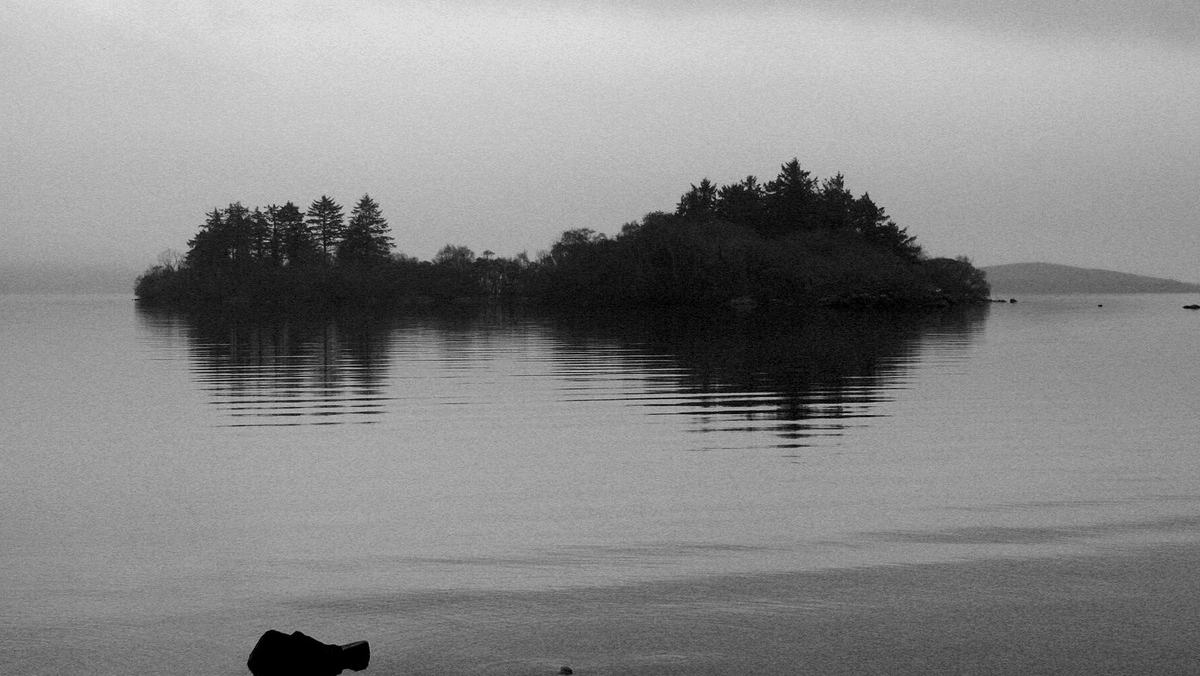
Photograph: PatrickByrnePhotography — “Illaunaknick Island, Lough Corrib.jpg” (CC BY-SA 4.0), via Wikimedia Commons. Resized to JPEG 1200×800 for editorial display. Source: https://commons.wikimedia.org/wiki/File:Illaunaknick_Island,_Lough_Corrib.jpg. Licence: https://creativecommons.org/licenses/by-sa/4.0. Original rights remain with the credited creator or as specified by the source and licence.
