
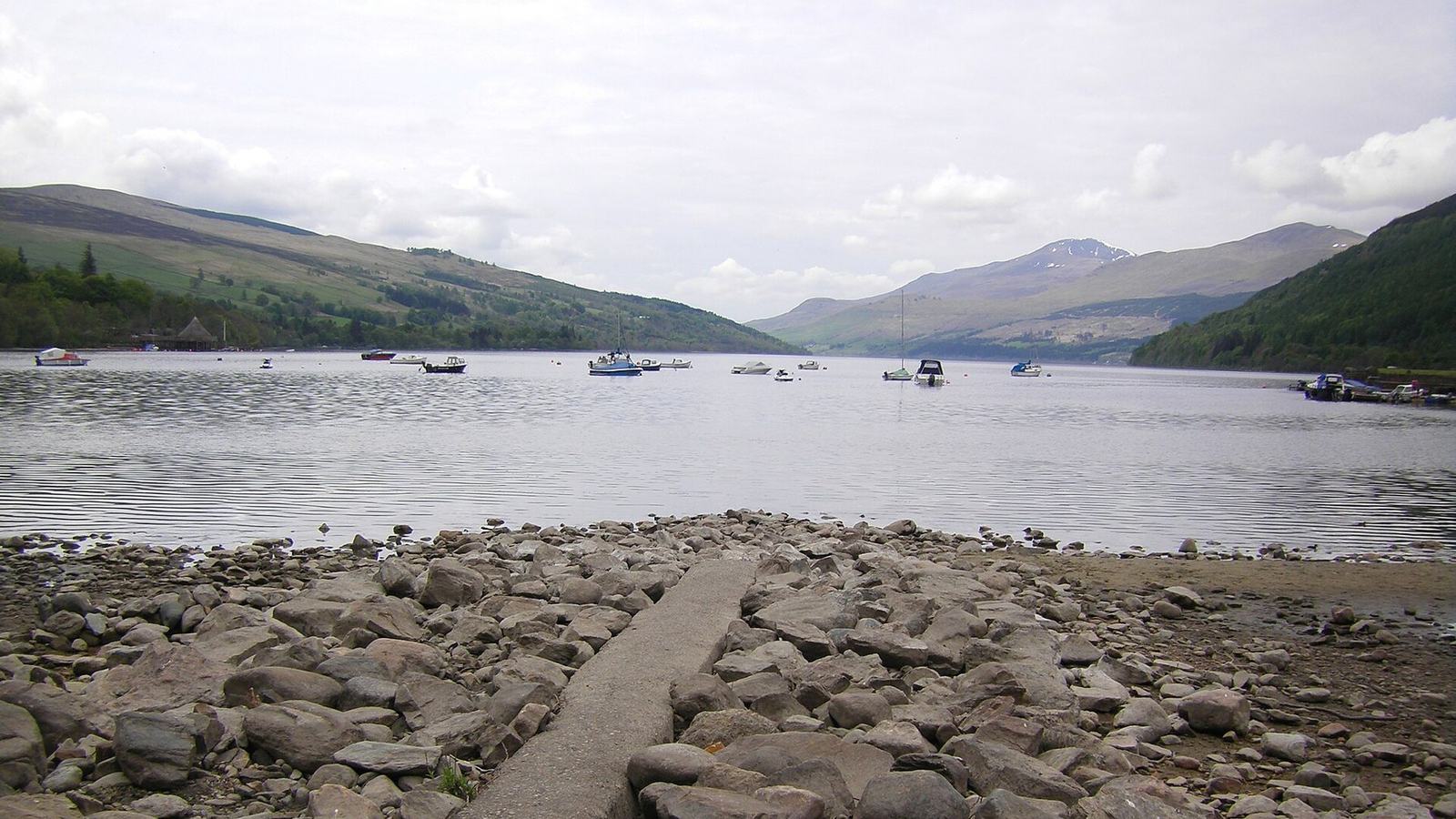
Explore Scotland’s Loch Tay in a dinghy or canoe, with practical guidance on responsible water access, local speed conduct, weather and suitable launching.
Highland scenery at a small-boat pace
Loch Tay is the sort of inland water that can make an ordinary canoe trip feel like a journey. Set between steep Highland Perthshire slopes, it invites a quieter kind of boating: a short paddle, a careful dinghy sail or an unhurried outing in a modest craft. The surroundings, however, should not encourage an assumption that every beach, field or road end can be used as a boat launch. Scotland’s system of responsible access gives non-motorised recreation a particular place, while powered boating and moving vehicles across land involve different arrangements. The Loch Tay Association also publishes a local code of conduct that recognises the many interests sharing the water. Reading both sets of guidance is an excellent first step.
Know what responsible access does—and does not—mean
The Scottish Outdoor Access Code supports responsible non-motorised activities such as canoeing, rowing and sailing. It does not provide an automatic right to drive a car and boat trailer over private land to the shore. That distinction matters to visiting paddlers and particularly to owners of trailered sailing dinghies. The Code advises using an established public slipway or launching point when one is available. Before travelling, identify a suitable access location and verify parking, handling and any operator conditions. Carrying a lightweight kayak to the water and reversing a laden vehicle across a field are not equivalent activities. Respecting that difference avoids disputes and makes a visit much more welcoming.
Why the local code deserves attention
The Loch Tay Association developed its guidance for a waterbody used by swimmers, anglers, paddlers, sailing craft and powerboats. It calls for considerate behaviour, including very low speeds for powered boats close to the shore and island edges. The Association’s published code states that powered boats and personal watercraft should not exceed four miles per hour within 150 metres of shores, alongside any stricter local restricted-area provisions. That is a code-of-conduct recommendation to take seriously; skippers must also follow any legally binding requirements and location-specific instructions. Treat the shoreline as a shared space where wake can cause real discomfort to someone afloat on a board or entering the water from a small craft.
A short canoe route can be the best route
Loch Tay’s apparent simplicity can be deceptive. A paddle that begins in calm water close to shore may meet wind funnelled along the valley after the group has travelled farther than intended. Newcomers should select a sheltered section recommended by a reputable local instructor, begin with an easy turnaround point and avoid committing to an exposed crossing. Pack dry clothing, a suitable buoyancy aid or lifejacket for each paddler and a communication method that will work in the intended area. Agree on signals and keep the group together. A rewarding day does not need a difficult destination. The sounds of paddles and water against the hull can provide most of the enjoyment.
Sailing a small dinghy among the hills
For dinghy sailors, the steep setting is an attraction and a warning. Wind can be variable close to the land, with gusts and shifts that demand attention from an inexperienced crew. Rig where launching is permitted, reef early when conditions suggest it and never assume a calm launch bay represents the open loch. Review the capsize and recovery procedure before leaving, and ensure the boat has appropriate buoyancy and equipment. A short supervised sail is often a more satisfying introduction than trying to cross the full width of the water. Anyone moving from sheltered club sailing should allow additional margin for colder water, changing wind and the possibility of a delayed return.
Powered boats need a separate access plan
The Code’s support for responsible non-motorised access must not be mistaken for a general trailer-launch entitlement for motorboats. If bringing a powered craft, secure a lawful, practical slipway arrangement with the relevant landowner or facility operator in advance. Check whether the chosen point accepts the trailer, where towing vehicles may park and what conditions apply. Review the Association’s guidance on low speed near shore, sensitive areas, noise and other users. A small motorboat can create a substantial wake at the wrong throttle setting, and a high-speed run close to a paddling group is especially unwelcome. Good powered boating means selecting a suitable area and matching speed to the people around you.
Understanding the anglers' perspective
Fishing is part of Loch Tay’s identity. The local Association notes that trout fishing is subject to the River Tay Protection Order and requires a written permit for bank or boat fishing. A visitor must not treat a recreational boat trip as permission to fish without meeting the relevant conditions. Even when not fishing, skippers can keep a respectful distance from anglers, avoid crossing lines and limit wash. A canoe can be manoeuvred quietly around a bank angler; a small motorboat should slow early enough to avoid disturbing the water being fished. Respect includes taking away discarded line or other litter, whether it was yours or someone else’s. Thoughtful behaviour helps very different types of recreation coexist.
Kenmore as a reference point, not a universal ramp
Kenmore, at the eastern end of the loch, is a natural place for visitors to orient themselves and ask about local activity providers. The presence of boats in photographs, though, does not establish that any particular jetty or beach is available for launching a private vessel. Check the Loch Tay Association’s current visitor information and speak directly to the relevant operator before committing to a shore entry. A suitable access point for a hand-carried canoe may be completely inappropriate for a heavy motorboat and trailer. Verify parking and the route from vehicle to water, particularly when the crew includes children or people who cannot comfortably carry equipment over rough ground.
Cold water deserves more attention than sunshine
The air over a Highland loch can feel warm while the water remains cold enough to make sudden immersion dangerous. Wear suitable flotation and dress for the possibility of getting wet. A wetsuit or other protective clothing may be appropriate to the activity and season. Before leaving, discuss how a person would be recovered after a capsize or fall; some small craft are much harder to re-enter than they appear. Paddle within the group’s ability and avoid venturing farther from shore than the crew can responsibly manage. Cold-water stress can impair decision-making quickly. The most effective safety measure is conservative route planning that lowers the chance of an unexpected swim.
The shore is not an unlimited campsite
Responsible outdoor access comes with responsibilities to landowners, residents, wildlife and other visitors. Avoid disturbing livestock, entering private gardens or obstructing a vehicle gate or access track. Keep dogs under appropriate control and carry litter away. Do not tie a boat to an unapproved structure, assume an island is available for camping or leave equipment on a beach used by other people. If a pause ashore is part of the plan, confirm that the landing is suitable and lawful under the local circumstances. The Outdoor Access Code addresses riverbanks and loch shores, and its advice is more useful than a blanket claim that every point around the water is freely available.
Weather and visibility are the actual timetable
A loch with mountains on either side can change character during a single afternoon. Check the latest forecast for wind direction, gusts, rain and visibility, then compare those conditions with the small boat’s limitations. Watch the sky and the way the water behaves during the trip. The return into wind may take much longer than the outward leg, especially by paddle or in a small electric craft. Leave adequate daylight and share the intended return time with someone ashore. If the weather is uncertain, shorten the route before departure rather than relying on endurance later. There is no disappointment in choosing an hour’s sheltered paddle over a risky crossing.
Packing for the real outing
For a small-boat day, prepare the equipment the vessel and activity actually require, not just a camera and picnic. Carry suitable personal flotation, warm and waterproof layers, drinking water, a communication method protected from spray, and a simple means of finding the correct return point. Check paddle, lines and bailer where relevant; ensure a sailing dinghy has dependable rigging and a workable capsize plan. For a powered vessel, check fuel or battery reserve and steering before launch. Stow equipment so it cannot slide overboard in a turn or become tangled around feet. Make clear who is responsible for the boat and how the crew will react if the plan changes.
A modest itinerary with a generous reward
Begin with a confirmed launching arrangement, a local forecast and a route that leaves an easy return. A quiet hour near a suitable shore, a short dinghy sail and time to look at the hills may be the entire programme. If the group is experienced and conditions are settled, extend only within the agreed safety margin. Avoid turning a relaxing outing into a test of how far a tiny craft can travel. Loch Tay’s great attraction is the contrast between the scale of the Highland scenery and the intimate experience of being low to the water. The smaller the boat, the more carefully a skipper can choose where and when to enjoy that contrast.
A shared loch kept welcoming by its visitors
The lasting impression of Loch Tay should be its landscape and hospitality, not a conflict at the shore. The Scottish Outdoor Access Code and the Loch Tay Association’s conduct guidance give visitors a useful framework: use responsible non-motorised access, obtain proper arrangements for powered and trailered craft, respect anglers and wildlife, and minimise wake near vulnerable users. Check the latest local information rather than treating a general article as an operating permit. Follow those principles and a boat well under twelve metres can offer a memorable Highland day. The experience asks little in distance, but it asks a great deal in observation and care.
Sources and photograph credit
Official access and local conduct references: Loch Tay Association Code of Conduct; Scottish Outdoor Access Code—canoeing and sailing; Scottish Outdoor Access Code—riverbanks and loch shores; Loch Tay visitor information. Photograph: Loch Tay and boats, Kenmore - geograph.org.uk - 4152821.jpg, Peter Bond, Wikimedia Commons, licensed under CC BY-SA 2.0. Image depicts Loch Tay at Kenmore, used under attribution-sharealike licence.